
WhatsApp

close
Choose Your Site
Global
Social Media
Author: Site Editor Publish Time: 2026-01-28 Origin: Site


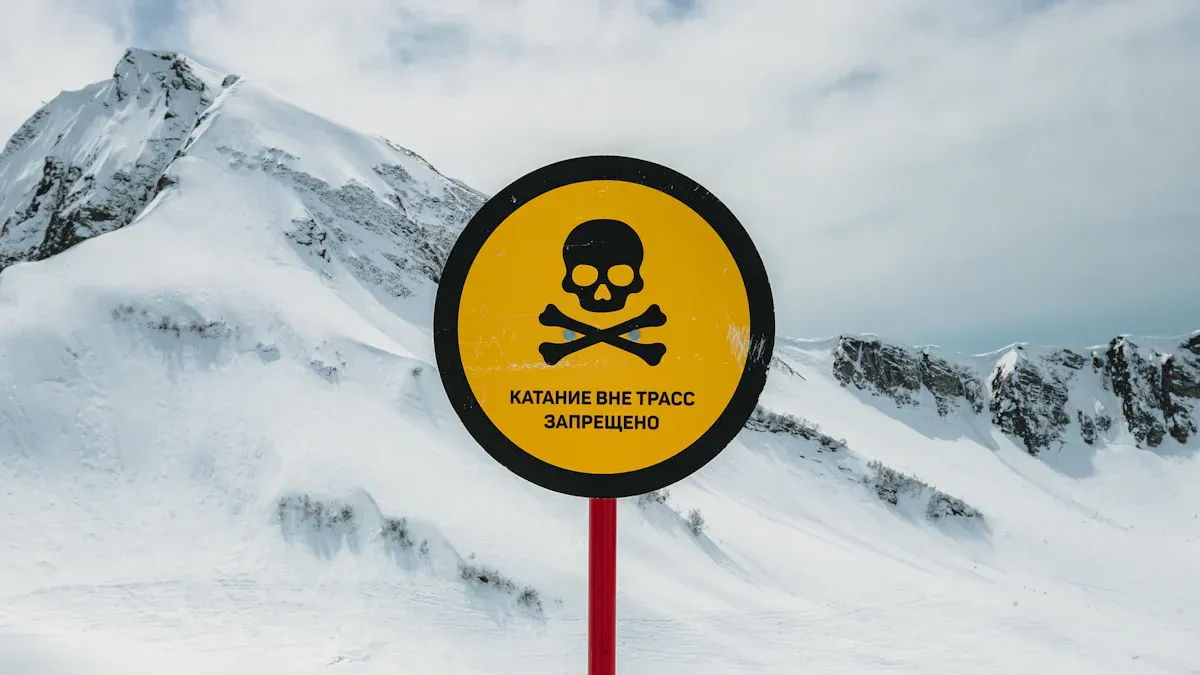
When you visit a dry ski slope, ski safety must always come first. You protect yourself and others by following the latest ski safety rules. In 2025, dry ski slope design standards set clear guidelines to make every run safer. Knowing the basics of ski safety helps you spot risks and enjoy your day. You can trust these safety measures to keep you confident on the slope.
Always follow the responsibility code for skiing. It helps you stay safe. It also helps others stay safe on the slopes.
Wear all required safety gear. This includes a helmet and shin pads. This gear protects you from getting hurt while skiing.
Check if the slope has certification before you ski. Certified slopes follow safety rules. They give you a safer time on the slope.
Ask slope workers about safety steps and emergency plans. This helps you know what to do to stay safe while skiing.
Use your own safety checklist before you ski. This helps you get ready. It helps you find any risks before you start skiing.
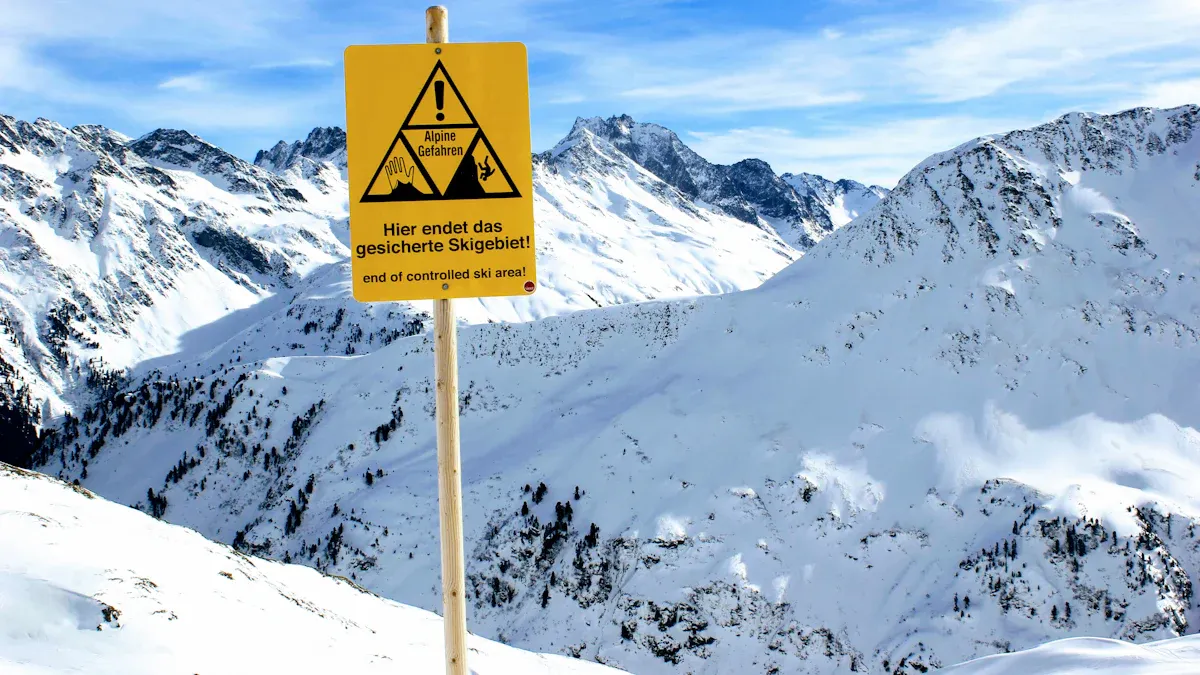
It is important to know the main rules for safety on a dry ski slope. In 2025, the International Ski Federation (FIS) and the National Ski Areas Association (NSAA) changed their standards. These changes help make every trip safer for you and others. You need to follow simple rules about how to act and what to look out for.
The Ski California Mountain Safety Guide gives you tips for staying safe. This guide teaches you the right way to behave. It reminds you that you are responsible for your own safety. When you learn the rules, you help keep yourself and other people safe.
You should always remember your responsibility code. This code lists the most important rules for skiers and riders:
Stay in control. You must be able to stop or avoid things.
People ahead or downhill have the right-of-way. You must not hit them.
Stop only where others can see you from above. Do not block the path.
Look uphill and avoid people before you start or enter a trail.
Make sure your equipment does not get away from you.
Read and follow all signs, warnings, and hazard markings.
Stay off closed trails and out of closed areas.
Know how to load, ride, and unload lifts safely. Ask for help if you need it.
Do not use lifts or ski when you are drunk or on drugs.
If you crash or have an accident, share your contact info with others and a ski worker.
You help make the slope safer when you follow these rules. Dry ski slope design standards also tell you to pay attention to signs and warnings. These rules help everyone enjoy skiing without extra danger.
Dry ski slope design standards in 2025 help keep you safe. These rules cover how the slope is built, what materials are used, and how the area is cared for. You get safer and more fun skiing because of these standards.
The surface materials on a dry ski slope must give good grip and lower the chance of getting hurt. Designers pick materials that help you stay in control. They also make sure water drains well so the slope does not get slippery. The slope layout must let you see clearly and avoid sudden drops or sharp turns.
Maintenance is very important for safety. Workers must follow strict steps to keep the slope in good shape. These include:
Slope care, like grooming the surface, making artificial snow, stopping avalanches, and keeping trail markers clear.
Lift work, which needs daily checks, fixing machines, and regular safety tests.
Safety systems, such as emergency plans, fire safety, and ways to stop hazards.
You should know that dry ski slope design standards need regular checks and updates. Staff must look at the slope and equipment often. If they find a problem, they must fix it fast. This care helps stop accidents and keeps you safe each time you ski.
Tip: Always check for signs that show the slope follows current dry ski slope design standards. Certified slopes usually show their inspection and safety records where you can see them.
When you know these standards, you make smarter choices about where and how you ski. You help keep yourself and others safe by following the rules and picking slopes with the best safety standards.
You need to use the right safety gear every time you visit a dry ski slope. The FIS 2025 rules require you to wear special equipment that protects you from injuries. Airbags play a big role in keeping you safe. They absorb impact when you fall and spread the force across your body. This helps protect your joints, muscles, and bones. You can practice jumps and tricks with more confidence because airbags lower the risk of serious injury.
Updated shin pads also help keep you safe. They protect your legs from hard hits and sharp edges. You should always check that your shin pads fit well and meet the latest safety standards.
Wearing a helmet is not just a good idea—it is a rule. You must use a helmet designed for skiing or snowboarding. Make sure your helmet fits you properly. A helmet that fits well gives you the best protection if you fall or hit something. You should never ski without a helmet, even if you feel confident.
Tip: Wearing correct skiing gear, including a helmet, shin pads, and airbags, gives you the best chance to avoid injuries on the slope.
Cut-resistant clothing is now a must for many dry ski slope activities. These clothes protect you from cuts and scrapes if you fall or slide. The FIS 2025 rules set clear requirements for this gear:
Requirement | Description |
|---|---|
Conformity Label | Must be on the outside of the clothing to show it meets FIS rules. |
Mandatory Use | Cut-resistant pants are required for race levels 0 and 1 from 2025/2026. |
Protection Level | Clothing must have at least a 3-star rating under the FIS-DITF test standard. |
You will find that cut-resistant gear is made from lightweight, stretchy, and breathable materials. This makes it comfortable to wear while you ski. New cut-resistant joggers come in sizes for both juniors and adults. They help lower the risk of cuts and keep you safe during races and practice.
Note: Always check your gear for the conformity label before you ski. This label shows your clothing meets the latest safety standards.
You count on trained staff and good supervision to stay safe. The NSAA made new guest safety plans for 2025. These plans try to stop injuries and cut down on accidents. Every dry ski slope must train staff often. Workers learn how to find dangers, help in emergencies, and keep guests from getting hurt.
Supervision has a clear plan. You can see how it works in this table:
Description | |
|---|---|
Designated Leaders | At least two skilled leaders guide each group, especially with minors. They know who to call and what to do in emergencies. |
Pre-Activity Orientation | You go to a meeting before skiing. This meeting covers safety rules, emergency plans, and the buddy system. |
Skill Assessment | Leaders check your skills to make sure you get the right help. |
Instruction for Beginners | Beginners get lessons from trained teachers before they start. |
Emergency Information | You carry a card with emergency contacts and health details. |
Staff also check the slope and equipment often. These checks help stop accidents and lower the chance of getting hurt. You can trust that trained staff and good supervision make skiing safer for all.
You need to know what to do if there is an accident. Every slope must have clear emergency steps. Staff practice drills so they can act fast if someone gets hurt. You will see ski patrol teams ready to help with any injury.
Safety signs are very important for keeping you safe. Look for:
Trail markers that show how hard a trail is (Green Circle, Blue Square, Black Diamond)
Signs that show the way to lodges, lifts, and medical help
Warning signs for closed or dangerous areas
Signs for emergency exits
Weather boards at the entrance
Safety tips and rules in busy places
Ski patrol and first aid station signs
Some states have even stricter rules for signs. You should always read these signs to stay safe and avoid getting hurt. Following the posted rules helps you enjoy your time on the slope.
Tip: Always ask staff about emergency plans and where to find the nearest ski patrol or first aid station. Knowing this can help you act fast if you see someone get hurt.
Every dry ski slope gets checked often for safety. Inspectors look at the slope, lifts, and safety gear. They search for damage or anything unsafe. You may see staff walking with checklists. They test how well the surface grips your skis. They make sure barriers and padding are set up right. Inspectors also check emergency exits and first aid spots.
Most slopes have a set inspection plan. Some checks happen every day before you arrive. Other checks are done each week or month. Here is a simple chart:
Inspection Type | How Often | What Gets Checked |
|---|---|---|
Daily | Every day | Surface, lifts, signs, barriers |
Weekly | Each week | Equipment, first aid kits, fencing |
Monthly | Each month | Full safety systems, lighting |
Tip: Ask staff when the last check was done. You can always find out if the slope is safe.
Look for certification signs when you visit a dry ski slope. Certified slopes follow strict rules from groups like FIS and NSAA. These groups make sure the slope meets all safety standards. Certification means the slope passed all checks and staff training.
Staff keep watching for problems and fix them fast. If a slope loses its certification, it must close until it is safe again.
When you see a certification badge, you know the slope cares about safety. You can ski and feel more sure. Certified slopes show their certificates at the entrance or on their website.
Note: Always pick a certified slope. This helps keep you and others safe.
You can make your day safer by using a personal checklist before you start skiing. This helps you spot risks and prepare for any situation. Here are some ski safety tips to follow:
Wear a helmet that fits well to protect your head.
Dress in layers for comfort and warmth. Use weatherproof gloves or mittens and a neck gaiter.
Put on UV-protection goggles with anti-fog lenses to improve visibility.
Bring a hat for before and after skiing.
Pack hand warmers for cold days.
Apply sunscreen and lip balm with SPF to shield your skin from the sun and wind.
Carry a water bottle to stay hydrated.
Take energy bars for quick snacks.
Check your ski bindings for a proper fit based on your age, height, and skill level.
Inspect your skis for damage and tune them if needed, especially in icy conditions.
Look for rocks or stones on the slope and avoid large patches of ice.
Make sure all your gear meets current safety standards.
Tip: Always check weather and avalanche reports before you head out. This helps you plan and stay safe.
You should ask slope operators important questions to make sure the area meets safety standards. This gives you peace of mind and helps you choose the best place to ski.
Is the slope PEVO certified? What are the current requirements for certification?
Does the operator have insurance for accidents and injuries?
How often do you inspect equipment and the slope for safety?
Do instructors complete intensive training programs on the latest safety protocols?
Are helmets, bindings, boots, and skis checked before each lesson?
Do you offer custom fittings for equipment?
What emergency plans do you have in place?
Where can I find the ski patrol or first aid station?
Note: Asking these questions helps you learn about staff training, equipment rules, and overall safety at the slope.
You are important for your own safety on dry ski slopes. Slopes that are certified and cared for protect you best. Always check your safety list before you ski. Ask staff questions if you are unsure. Keep these things in mind:
Some skiers miss signs or do not know the rules.
Knowing how you act can help stop injuries.
If you follow these tips, you make skiing safer for everyone. You also help everyone have more fun.
You should alert a staff member or ski patrol right away. Stay with the injured person if it is safe. Do not try to move them. Follow staff instructions and keep others away from the area.
Most slopes let you use your own gear if it meets safety standards. Always check with the slope operator first. Your helmet, pads, and clothing must have the right labels and fit well.
Dry ski slopes review and update safety rules every year. They follow new guidelines from groups like FIS and NSAA. You should ask staff about the latest changes before you ski.
Cut-resistant clothing protects your skin from scrapes and cuts if you fall. The special fabric helps prevent injuries. You stay safer and more comfortable during practice and races.
The slope must close until it fixes all safety problems. Staff work quickly to make repairs. You should only ski on slopes that pass all inspections and show their certification.


