
WhatsApp

close
Choose Your Site
Global
Social Media
Author: Site Editor Publish Time: 2025-12-23 Origin: Site


Are you considering artificial turf for your gym? This popular choice offers numerous benefits over natural grass. In this article, we’ll explore what artificial turf is, its advantages, and how to select the best option for your gym needs.
When selecting artificial turf for gyms, it’s essential to understand the various types available. Each type serves different purposes and offers unique benefits. Here’s a quick overview:
● Economic Turf: This is the budget-friendly option. It’s durable and easy to install, making it great for gyms looking to save costs.
● Premium Turf: More realistic in appearance, premium turf provides enhanced durability. It’s suitable for high-traffic areas, ensuring it withstands heavy use.
● Low-Pile Turf: Featuring shorter blades, this type is ideal for confined spaces. It requires minimal maintenance and is perfect for small workout areas.
● High-Pile Turf: With longer blades, high-pile turf offers a lush, comfortable feel. It’s particularly suited for yoga or stretching zones where comfort is key.
Type of Turf | Blade Height | Durability | Best For |
Economic Turf | 10-20 mm | Moderate | Budget-friendly installations |
Premium Turf | 20-30 mm | High | High-traffic areas |
Low-Pile Turf | 15-25 mm | Moderate | Small studios |
High-Pile Turf | 30-40 mm | High | Comfort-focused zones |
When choosing artificial turf, certain features are critical for ensuring it meets gym requirements. Here are some key aspects to consider:
● Durability: Look for turf that can withstand heavy foot traffic. The material should resist wear and tear, maintaining its appearance and functionality over time. Premium options often provide better durability.
● UV Resistance: Ensure the turf is UV-stabilized. This feature prevents fading and damage from sunlight, especially important for gyms with large windows or outdoor areas.
● Safety and Environmental Friendliness: Choose turf made from non-toxic materials. Safety is paramount in gyms, so look for options that minimize slip risks. Additionally, turf with environmentally friendly backing can enhance sustainability efforts.
By understanding the types of artificial turf and their key features, you can make an informed decision that enhances your gym’s functionality and aesthetics.
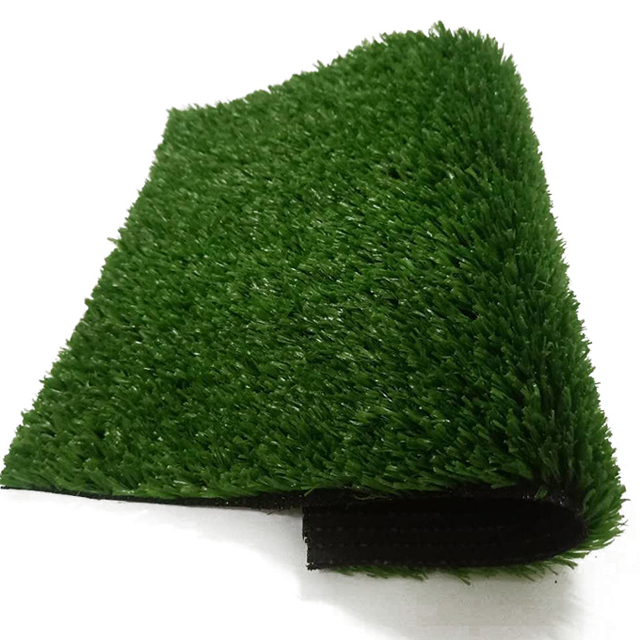
Before choosing artificial turf, it’s crucial to identify where you’ll install it in your gym. Different areas have specific requirements based on usage.
● High-Traffic Zones: These include functional training areas and group classes. In these spaces, turf must withstand heavy foot traffic and frequent movement. Look for durable options that resist wear and maintain their appearance over time.
● Low-Impact Zones: Areas like yoga studios and recovery spaces require a softer, more comfortable surface. Here, high-pile turf can provide the cushioning needed for activities that involve stretching and low-impact exercises.
Area Type | Characteristics | Recommended Turf Type |
High-Traffic Zones | Frequent use, high foot traffic | Premium or Economic Turf |
Low-Impact Zones | Soft, comfortable, less wear | High-Pile Turf |
Next, consider the types of activities your gym offers. This will help narrow down the best turf options.
● Weight Training: In weight rooms, turf should be low-pile to prevent equipment tipping and facilitate easy cleaning around machines.
● Group Fitness Classes: These areas benefit from medium-pile turf, which balances durability and comfort for various exercises.
● Functional Training: For dynamic movements, a premium turf option provides the necessary durability and support.
Different activities require specific turf types to enhance performance and safety. Here’s a breakdown of recommended turf types based on gym activities:
● Weight Rooms: Opt for low-pile turf (10-15mm) to ensure stability around weights and equipment.
● Group Classes: Medium-pile turf (15-20mm) works well here, offering a good mix of cushioning and support for diverse exercises.
● Yoga and Stretching: High-pile turf (30-40mm) is ideal for comfort and joint support during slow movements.
Activity Type | Recommended Pile Height | Turf Type Suggested |
Weight Training | 10-15 mm | Low-Pile Turf |
Group Fitness Classes | 15-20 mm | Medium-Pile Turf |
Yoga and Stretching | 30-40 mm | High-Pile Turf |
By carefully assessing these factors, you can select the right artificial turf that meets your gym’s unique needs and enhances the overall workout experience.
When selecting artificial turf, durability is a top priority. It’s essential for high-traffic areas, where wear and tear can quickly diminish the quality of the surface. Look for turf that can withstand heavy use, as this will ensure it remains functional and visually appealing over time.
● Importance of Wear Resistance: In gyms, areas like functional training zones and group classes experience constant foot traffic. Choosing turf with high wear resistance will keep it looking new for longer.
● Expected Lifespan: Most artificial turf can last between 8 to 12 years if installed correctly. This longevity makes it a worthwhile investment for gym owners.
Turf Type | Expected Lifespan | Wear Resistance Level |
Economic Turf | 5-8 years | Moderate |
Premium Turf | 10-12 years | High |
Comfort is another critical factor when choosing artificial turf. The right pile height can significantly enhance the user experience in your gym.
● Pile Height Considerations: Shorter piles (10-15 mm) offer stability for weight training, while taller piles (30-40 mm) provide cushioning for yoga and stretching.
● Visual Appeal: The look of your gym matters. Quality turf can enhance the overall atmosphere, making the space more inviting. A well-chosen color and texture can also align with your gym's branding.
Safety should never be compromised in a gym environment. When selecting artificial turf, consider the following safety features:
● Non-Toxic Materials: Ensure the turf is made from safe, non-toxic materials. This is crucial for the health of your gym-goers, especially in high-contact areas.
● Slip Resistance and Drainage Capabilities: Turf should have good drainage to prevent water accumulation. Look for options with SBR latex backing, which enhances slip resistance and helps maintain safety during workouts.
Safety Feature | Description | Importance |
Non-Toxic Materials | Safe for users | Health and safety assurance |
Slip Resistance | Reduces fall risk | Prevents accidents |
Drainage Capabilities | Prevents water pooling | Ensures safe surfaces |
Investing in artificial turf can lead to significant cost savings over time.
● Long-Term Savings: Compared to natural grass, artificial turf can be over 60% cheaper in maintenance costs. You won’t need to spend on mowing, watering, or fertilizing.
● Zero Maintenance Requirements: Once installed, artificial turf requires minimal upkeep. This means more time for gym operations and less hassle for management.
By focusing on these key factors—durability, comfort, safety, and cost-effectiveness—you can make an informed decision that suits your gym’s specific needs and enhances the overall experience for your clients.
When choosing artificial turf for your gym, one of the first decisions you'll face is whether to go for economic or premium options. Each type has its advantages and drawbacks, which can significantly impact your gym's performance and budget.
● Cost Analysis and Long-Term Savings: Economic turf is generally more affordable upfront. However, premium turf often pays off in the long run due to its durability and lower maintenance costs. For instance, while economic turf might save you money initially, it may require replacement sooner, leading to higher overall expenses.
● Performance Differences in High-Traffic Environments: Premium turf excels in high-traffic areas. Its durability ensures it withstands the rigors of heavy use, making it a better choice for functional training zones and group classes. In contrast, economic turf may wear out faster, resulting in a less appealing surface over time.
Turf Type | Initial Cost | Lifespan | Best Use |
Economic Turf | Lower | 5-8 years | Budget-friendly installations |
Premium Turf | Higher | 10-12 years | High-traffic areas |
The pile height of artificial turf plays a crucial role in determining its suitability for various gym activities.
● Recommended Heights for Different Gym Activities: For weight training, a low-pile height (10-15 mm) provides stability. Medium-pile turf (15-20 mm) is suitable for group fitness classes, while high-pile options (30-40 mm) offer comfort for yoga and stretching.
● Pros and Cons of Low-Pile vs. High-Pile Turf: Low-pile turf is durable and easy to maintain, but it may lack the cushioning needed for certain activities. High-pile turf, while softer and more comfortable, can be harder to clean and may not hold up as well under heavy foot traffic.
Pile Height | Recommended Use | Pros | Cons |
Low-Pile (10-15 mm) | Weight Training | Durable, stable | Less cushioning |
Medium-Pile (15-20 mm) | Group Classes | Balanced comfort and support | Moderate durability |
High-Pile (30-40 mm) | Yoga and Stretching | Soft, comfortable | Harder to maintain |
XiHY offers a range of artificial turf options suitable for various gym needs. Here’s a brief overview of their products:
● Standard Economy Grass: This budget-friendly option is great for gyms looking to save costs without sacrificing quality. It performs well in low-traffic areas.
● Premium Economy Grass: A step up from standard options, this turf provides better durability and a more realistic appearance, ideal for medium-traffic zones.
● Low-Pile Economy Grass: Perfect for weight training areas, this turf offers stability and ease of maintenance, ensuring a safe workout environment.
● High-Pile Economy Grass: Designed for comfort, this turf is excellent for yoga and stretching zones, providing a soft surface that enhances user experience.
Product Type | Characteristics | Best Use |
Standard Economy Grass | Budget-friendly | Low-traffic areas |
Premium Economy Grass | Durable, realistic | Medium-traffic areas |
Low-Pile Economy Grass | Stable, easy to clean | Weight training zones |
High-Pile Economy Grass | Soft, comfortable | Yoga and stretching areas |
By comparing these different turf options, you can make an informed choice that aligns with your gym's activities, budget, and overall aesthetic.
Before installing artificial turf, proper preparation of the gym space is crucial. A well-prepared base ensures that the turf will perform optimally and last longer.
● Importance of Proper Base Preparation: A solid foundation prevents issues like uneven surfaces and premature wear. It’s essential to clear the area of debris and ensure the ground is level. This may involve compacting the soil and adding a layer of crushed stone or gravel to create a stable base.
● Customization Options for Unique Gym Layouts: Every gym has its unique layout, and turf should fit seamlessly into the space. Many suppliers offer customized roll sizes to accommodate different dimensions. This ensures minimal seams and a more professional appearance. When requesting custom sizes, be specific about your measurements to avoid complications during installation.
Preparation Step | Description | Importance |
Clear the Area | Remove debris and obstacles | Ensures a clean installation |
Level the Ground | Compact soil and add a stone layer | Provides stability |
Request Custom Sizes | Specify dimensions for turf rolls | Fits unique gym layouts |
Choosing between professional installation and a DIY approach can significantly impact the outcome of your turf project.
● Benefits of Hiring Professionals: Professional installers bring expertise and experience, ensuring the turf is laid correctly. They can handle complex layouts and provide warranties on their work, giving you peace of mind. Additionally, they often have access to specialized tools that can make the installation process smoother.
● Tips for Successful DIY Installation: If you opt for a DIY approach, preparation is key. Gather all necessary tools, including a utility knife, tape measure, and adhesive. Follow the manufacturer’s guidelines closely to avoid mistakes. It’s also helpful to have a second pair of hands during installation to manage the turf rolls effectively.
● Importance of CAD Layout Support and Installation Guidance: Many suppliers provide Computer-Aided Design (CAD) layouts to help visualize how the turf will fit into your space. This can be invaluable for planning and ensuring that everything aligns perfectly. Additionally, seek installation guidance from the manufacturer to address any questions or concerns you might have.
Installation Option | Pros | Cons |
Professional Installation | Expertise and warranty | Higher upfront cost |
DIY Installation | Cost-effective | Requires more time and effort |
By considering these installation factors, you can ensure that your artificial turf not only looks great but also performs well in your gym environment.
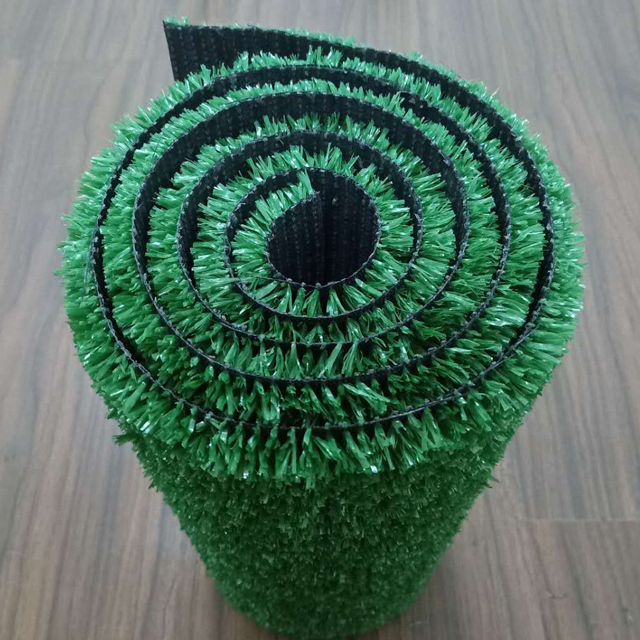
To keep your artificial turf looking great and performing well, regular maintenance is essential. Establishing a routine will prolong its lifespan and enhance the gym experience.
● Cleaning and Brushing Techniques: Start by removing debris like leaves and dirt. Use a leaf blower or a broom to keep the surface clean. For deeper cleaning, a gentle rinse with water can help eliminate dust and grime. Brushing the turf regularly helps maintain the pile height and keeps the fibers upright, which is important for both aesthetics and performance. A stiff-bristled broom works well for this task.
● Seasonal Care Tips: Different seasons bring unique challenges. In the fall, ensure you clear away fallen leaves to prevent mold growth. During winter, if snow accumulates, gently remove it to avoid damaging the turf. In spring, inspect the turf for any signs of wear and prepare for increased usage as gym activities ramp up.
Maintenance Task | Frequency | Tools Needed |
Debris Removal | Weekly | Leaf blower, broom |
Deep Cleaning | Monthly | Hose, mild detergent |
Seasonal Inspection | Every season | Visual check |
Despite your best efforts, issues can arise with artificial turf. Knowing how to address these problems will help keep your gym in top shape.
● Addressing Wear and Tear: Over time, high-traffic areas may show signs of wear. If you notice thinning or flattened areas, it's crucial to address them promptly. Regular brushing can help rejuvenate the fibers, but if the damage is extensive, you may need to consider patching or replacing sections.
● Repairing Damaged Areas: For small tears or punctures, repair kits are available that include adhesive and patches designed specifically for artificial turf. Clean the area around the damage first, then apply the adhesive and press the patch into place. For larger repairs, you might need to consult a professional to ensure a seamless fix.
Issue | Solution | Recommended Action |
Wear in High-Traffic Areas | Regular brushing and patching | Inspect and maintain regularly |
Tears or Punctures | Use a repair kit | Clean, patch, and secure |
By following these maintenance practices and knowing how to troubleshoot common issues, you can ensure your artificial turf remains a safe and attractive surface for all gym activities.
A: The average cost of artificial turf for gyms varies widely based on quality and type, typically ranging from $2 to $8 per square foot.
A: Artificial turf can last between 8 to 12 years in a gym setting, depending on the type and maintenance practices.
A: Yes, artificial turf is suitable for outdoor gym spaces, providing a durable and low-maintenance surface.
A: Yes, artificial turf is safe for various gym activities, provided it meets safety standards and is made from non-toxic materials.
A: Look for turf made from recycled materials and those that are free from harmful chemicals. Certifications can also indicate eco-friendliness.
A: XiHY artificial turf offers anti-UV and anti-aging properties, ensuring durability. It requires low maintenance, and samples are available for quality inspection.
Choosing the right artificial turf is crucial for gym needs.
Consider durability, maintenance, and safety when selecting turf.
The right choice enhances performance and user experience.
Assess your gym's specific requirements to find the best options.
Explore various products and suppliers to make an informed decision.
For more information, check out resources for purchasing artificial turf.


