
WhatsApp

close
Choose Your Site
Global
Social Media
Author: Site Editor Publish Time: 2026-01-22 Origin: Site


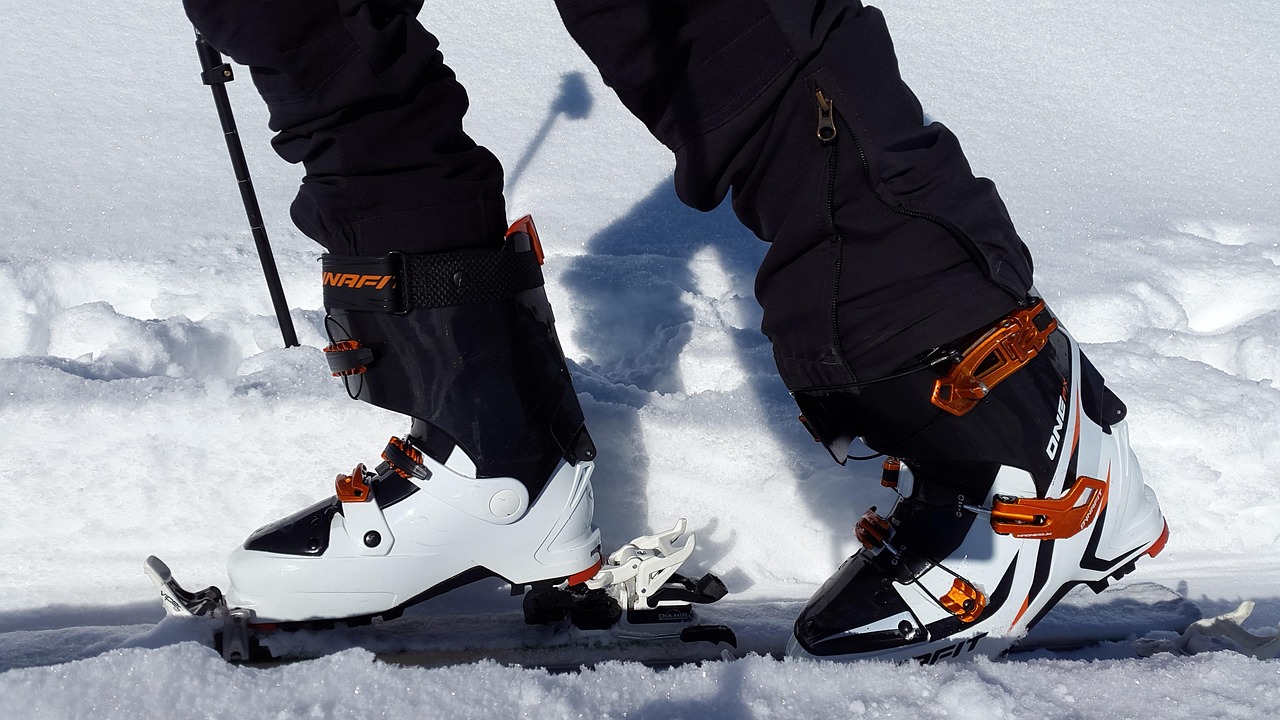
Imagine you stand at the top of a grassy slope, ready to ski for the first time. You wonder, “What ski grass thickness options will give me the best ride?” For gentle slopes or beginners, choose a thicker layer—about 10 cm—to cushion falls and increase safety. On steeper slopes or for advanced skiers, a thinner layer may boost speed and performance. Always check your slope’s steepness, prepare the site well, and pick high-quality grass. Think about your skill level and the slope’s condition before you decide.
Pick thicker grass (10-15 cm) if you are a beginner. This helps keep you safe and comfortable if you fall. - Medium thickness (7-12 cm) is good for intermediate skiers. It gives a good mix of speed and control. - Advanced skiers should use thinner grass (5-10 cm). This makes it easier to go fast and turn quickly. - Always check and take care of the grass thickness. This keeps skiing safe and fun. - Think about how steep the slope is and the weather. This helps you pick the best grass thickness for skiing well.
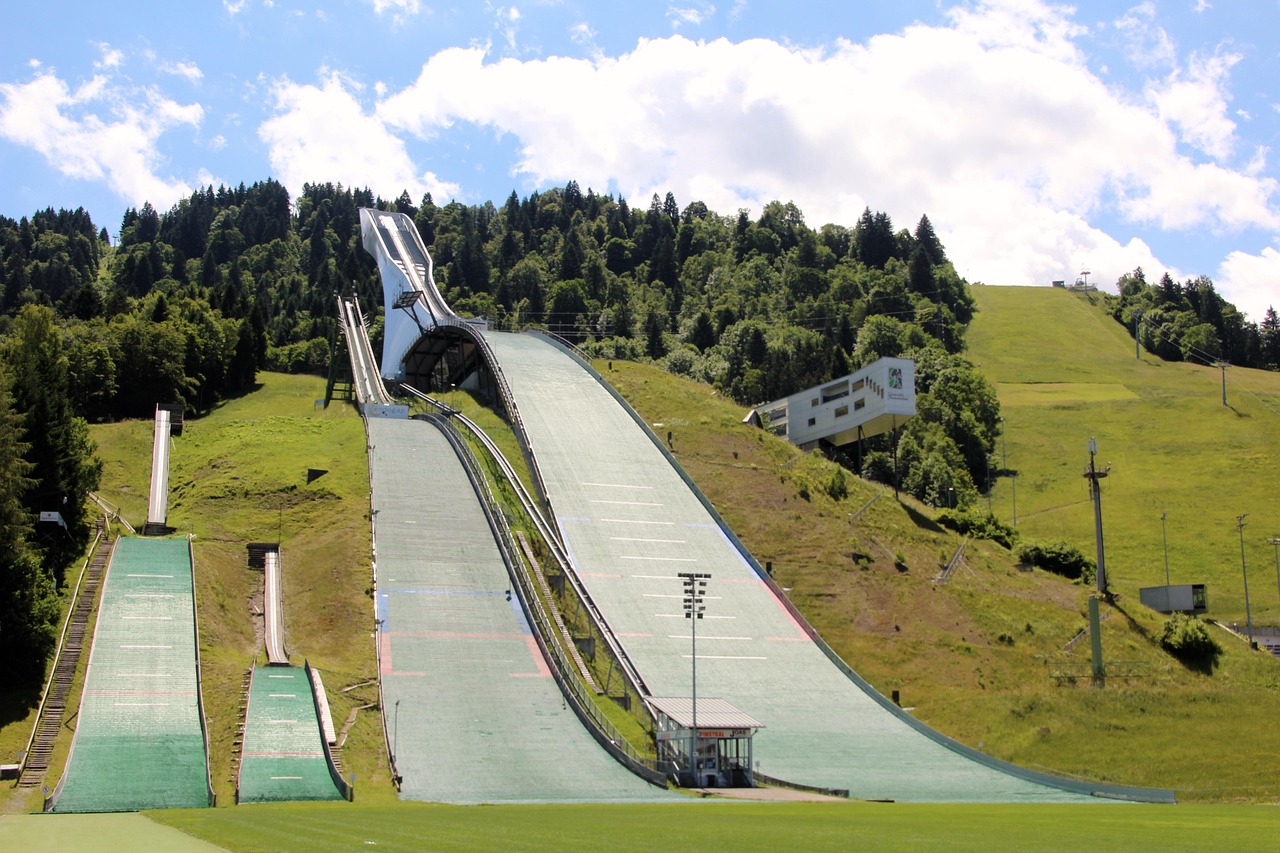
When you start grass skiing, you want to be safe and comfortable. The best ski grass thickness options for beginners are between 5 and 15 centimeters. This thickness makes the ground soft. It helps you avoid hard grass or thistles. If you fall, you will not get hurt as much. You can learn basic skills and feel confident.
Here is a table that explains why this thickness is good for beginners:
Grass Thickness (cm) | Reason for Recommendation |
|---|---|
5-15 | Stops you from hitting hard grass or thistles. It gives a softer place for beginners to ski. |
Taller than 15 | Makes you go slower and gets your skis dirty. This is not good for new skiers. |
Tip: Pick grass that feels bouncy and smooth. It will help you balance and control your skis better.
If you have some practice, you want to get better at skiing. The ski grass thickness options for intermediate skiers are usually 7 to 12 centimeters. This thickness keeps you safe but lets you go faster. You can practice turning and stopping without worrying about rough falls.
Always look at the slope before you ski.
You can change the grass thickness for more speed or comfort.
Good grass care helps you ski smoothly.
Taking care of the grass also makes skiing better. Studies say that good grass care stops wind from blowing away dirt. It keeps the ski slope clean and safe.
If you are advanced, you want to go fast and turn quickly. The ski grass thickness options for advanced skiers are thinner, about 5 to 10 centimeters. This thickness helps you glide fast and make sharp turns. You need to control your moves and react fast.
Aspect | Findings |
|---|---|
Grass Management | Good grass care stops wind from blowing away dirt and keeps the ground strong. |
Ecological Balance | Taking care of grass helps nature stay healthy. This is important for skiers. |
Visitor Experience | Nice grass makes the ski area look better and more fun for everyone. |
Note: Always check the grass before you ski. Good grass care keeps the slope safe and fun.
You can see that ski grass thickness options change with your skill level. Beginners need more cushion. Advanced skiers want more speed. Pick the thickness that fits your needs and the slope.
You want to stay safe when you ski on grass. The right grass thickness helps protect you from injuries. Thicker grass acts like a cushion. It absorbs the shock when you fall or land hard. This makes it less likely for you to get bruises or scrapes. Beginners often fall more, so you need extra padding. Even if you ski fast, a thicker layer can slow you down and keep you from sliding too far.
Tip: Always check the grass before you ski. Press down with your hand. If it feels soft and bouncy, it will help protect you.
Grass thickness changes how you ski. Thin grass lets you move faster. You can make sharp turns and pick up speed. Advanced skiers often choose thinner grass for this reason. Thicker grass slows you down. It gives you more control, which helps when you learn new skills. You can practice stopping and turning without going too fast.
Here is a quick comparison:
Grass Thickness | Speed | Control |
|---|---|---|
Thin (5-7 cm) | High | Low |
Medium (8-12 cm) | Moderate | Moderate |
Thick (13-15 cm) | Low | High |
You want your ski slope to last. The right grass thickness helps keep the slope strong. Thicker grass protects the soil underneath. It stops the ground from wearing out quickly. If you ski often, thin grass can wear down fast. You may see bare spots or mud. Thick, healthy grass stands up to heavy use. It also keeps the slope looking nice for a long time.
Note: Take care of your grass. Water it and trim it often. Healthy grass lasts longer and gives you a better skiing experience.
You need to look at how steep your slope is before you set up a dry ski slope. Steep slopes can make you go faster, but they also make it harder to stop. Less steep slopes work well for most people, especially if you are new to grass skiing. Even a flat area can be a good place to start. You can practice balance and basic moves without worrying about speed. Many people think only hills work for a dry ski slope, but flat ground can be just as useful.
Tip: Walk up and down your slope. If you feel safe walking, you will likely feel safe skiing.
Think about how big your dry ski slope will be. A small slope works for practice or for young skiers. A larger slope gives you more room to turn and pick up speed. You should also consider how many people will use the slope at once. If you plan to host groups, you need a wider area. Make sure the slope matches your goals. For example, a family might want a gentle, wide dry ski slope, while advanced skiers may look for longer runs.
Here is a quick table to help you decide:
Slope Size | Best For |
|---|---|
Small (10-20m) | Beginners, practice |
Medium (20-40m) | Families, small groups |
Large (40m+) | Advanced, events |
Check the weather in your area before you build a dry ski slope. Rain can make grass slippery and hard to ski on. Hot, dry weather can dry out the grass and make it less soft. You may need to water the grass or choose a special type that stays green. If you live in a place with lots of rain, you should check the slope for mud or puddles. Good planning helps you keep your dry ski slope safe and fun all year.
Note: Always check the slope after bad weather. Fix any problems before you ski again.
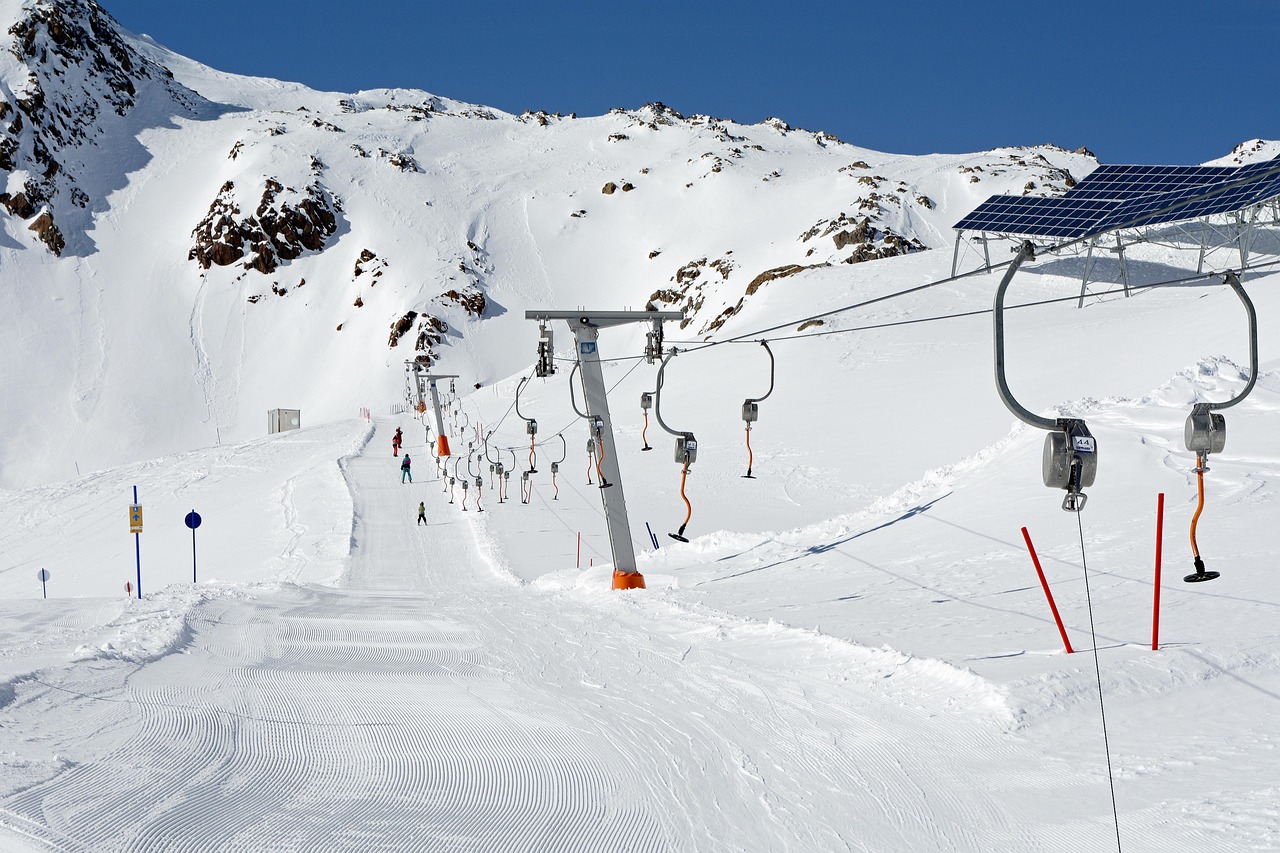
You need a flat and stable surface before you install a dry ski mat. Start by removing rocks, roots, and debris. Use a shovel or a rake to smooth the ground. A level base helps your dry ski mat stay even and safe. Most experts recommend a typical grass thickness of about 10 cm for good shock resistance. You should also build a strong base layer. The table below shows common base materials and their recommended thickness:
Base Type | Recommended Thickness | Notes |
|---|---|---|
Crushed Drain Rock | 2" to 4" | ¾” down to ¼” crushed drain rock is ideal for drainage and stability. |
Base Material | 4" | Standard recommended base; may vary based on climate conditions. |
Additional Underlay | N/A | Optional for cushioning or drainage; not required but can enhance performance. |
Weed Barriers | N/A | Recommended for areas prone to weed growth; can be installed at the base or edges. |
A solid base keeps your dry ski mat from shifting or wearing out too fast.
Pick high-quality, resilient grass for your dry ski mat. Good grass absorbs shocks and gives you a smoother ride. Look for grass that feels springy and bounces back when you press it. This type of grass protects you if you fall and helps your skis glide better. Avoid thin or brittle grass because it wears out quickly. You want your dry ski mat to last through many ski sessions.
Tip: Test a small patch of grass before you cover the whole slope. Make sure it feels soft and strong.
You can make your dry ski mat last longer with the right installation steps. Follow these tips to keep the thickness even and the mat secure:
Build a strong base layer to stop erosion.
Use more turf nails or stakes to hold the dry ski mat in place, especially on slopes.
Add adhesive in tricky spots where nails might not work.
Install the dry ski mat in sections to control weight and prevent shifting.
Stretch the dry ski mat tightly before you secure it to avoid wrinkles.
Check your dry ski mat often for loose spots or damage. Fix problems right away to keep your slope safe and fun.
You need the right tools to measure ski grass thickness. A simple ruler works for small areas. For larger slopes, you can use a measuring stick or a depth gauge. These tools help you check if the grass layer stays even across the slope. You should measure in several spots to get accurate results.
Here is a quick list of tools you can use:
Ruler or tape measure
Depth gauge
Notebook for recording measurements
Tip: Measure the thickness every month. Write down the numbers in your notebook. This helps you spot changes early.
You must keep the grass layer healthy and even. Water the grass often, especially during dry weather. Trim the grass to the right height with a mower. Remove weeds and debris so the surface stays smooth. If you see thin spots, add more grass or turf to those areas.
Try these steps for easy maintenance:
Water the grass when it looks dry.
Mow the grass to keep it at the best thickness.
Pull out weeds by hand or use a safe weed remover.
Fill bare spots with new grass or turf.
Check for damage after heavy use or bad weather.
Note: Healthy grass gives you a safer and more fun skiing experience.
Many people make mistakes when they care for ski grass. You might forget to measure the thickness often. Some people cut the grass too short, which makes the slope hard and unsafe. Others ignore weeds or let debris pile up. These mistakes can ruin your slope.
Here is a table of common mistakes and how to avoid them:
Mistake | How to Avoid |
|---|---|
Not measuring enough | Check thickness monthly |
Cutting grass too short | Keep grass at recommended height |
Ignoring weeds | Remove weeds regularly |
Leaving debris | Clean slope after each use |
Alert: Always check your slope before you ski. Fix problems right away to stay safe.
You need to match the thickness of artificial grass to your skill level. Beginners should look for a thicker layer. This gives you more comfort and safety when you fall. If you are an intermediate skier, you can use a medium thickness. This helps you balance speed and control. Advanced skiers often choose thinner artificial grass. This lets you move faster and make sharp turns.
Tip: Always test a small area before you cover your whole slope. You will feel the difference in comfort and speed.
A table can help you decide:
Skill Level | Suggested Thickness (cm) | Why It Works |
|---|---|---|
Beginner | 10-15 | More cushion, safer for falls |
Intermediate | 7-12 | Good mix of speed and control |
Advanced | 5-10 | Faster, better for sharp movements |
You must think about the conditions on your slope. Wet weather can make artificial grass slippery. Dry weather can make it hard and less comfortable. If your slope gets heavy use, you need durable artificial grass with a dense pile. This helps the grass last longer and keeps the surface smooth.
Consider these factors when you choose artificial grass:
Durability for lasting quality, especially if many people use the slope.
Density and height of the blades, which affect both how the grass looks and how it performs.
Intended use, such as whether you want the grass for skiing or just for looks.
Note: The thickness of artificial grass depends on face weight, pile height, and gauge. A higher face weight means denser grass, which is better for skiing.
You should also think about your budget. Thicker artificial grass usually costs more because it uses more material. Dense and high-quality grass can be more expensive, but it lasts longer and needs less repair. If you want to save money, you can choose a thinner layer for less-used areas or for practice slopes.
Here is a quick list to help you decide:
Do you want dense or short artificial grass?
Will the slope get heavy use or just look nice?
Do you prefer comfort underfoot or low maintenance?
Remember: Spending a little more on good artificial grass now can save you money on repairs later.
You can make your ski slope safer and more fun by choosing the right grass thickness. Match the thickness to your skill level, the steepness of your slope, and how well you prepare the site. Use the quick-reference guide when you plan your slope. Keep checking and caring for your grass. Regular maintenance helps plants grow strong, keeps the slope stable, and protects nature for the future.
You should choose grass between 10 and 15 cm thick for children. This thickness gives extra cushion and helps prevent injuries. Soft grass helps kids learn and play safely.
You need to check the thickness every month. Regular checks help you spot thin areas early. Use a ruler or depth gauge for accurate measurements.
You should not ski on regular lawn grass. It does not provide enough cushion or durability. Use artificial grass designed for skiing to stay safe and enjoy better performance.
Thicker ski grass usually lasts longer. It protects the soil and stands up to heavy use. You get a safer and more stable slope with proper maintenance.


