
WhatsApp

close
Choose Your Site
Global
Social Media
Author: Site Editor Publish Time: 2025-10-28 Origin: Site


Ever wondered why some artificial grass looks more natural than others? The secret lies in the pile height. Pile height significantly impacts the durability, maintenance, and appearance of artificial grass. In this post, you'll learn about three key impacts that pile height has on artificial grass, helping you make an informed choice for your needs.
Pile height is the length of each artificial grass blade, measured from its base where it meets the backing material to the tip. This measurement is usually given in millimeters and directly affects the look, feel, and function of the artificial grass. For example, a 25mm pile height means the blades are 25 millimeters tall. The pile height influences how soft or firm the grass feels underfoot and how natural it looks.
Measuring pile height involves using a ruler or specialized tools to determine the exact blade length. The measurement starts at the backing—the layer that holds the grass fibers together—and extends to the tip of the longest blade. It's important to note that pile height does not include the backing thickness; it only measures the grass blades themselves.
Manufacturers offer various pile heights tailored for different uses:
● Short pile heights (around 20-30mm) are common for sports fields or high-traffic areas where durability matters.
● Medium pile heights (30-40mm) balance comfort and resilience, ideal for family gardens.
● Long pile heights (40mm and above) provide a lush, natural appearance but need more maintenance.
Choosing the right pile height depends on your specific needs, such as the level of foot traffic, desired appearance, and maintenance willingness.
Always verify the actual pile height with the supplier before purchase to ensure it matches your intended use and aesthetic preferences.
Short pile artificial grass usually measures between 20mm and 30mm. This shorter length makes it highly durable and resistant to wear and tear. The blades stand firm under heavy foot traffic, making these grasses ideal for sports fields, playgrounds, and commercial spaces where frequent use occurs. Because the blades are shorter, they are less likely to bend, flatten, or mat down over time. This reduces the need for frequent grooming or brushing to maintain the grass's upright appearance.
Moreover, short pile grass typically has a denser stitch rate, which adds to its strength. The tightly packed fibers support each other, distributing pressure evenly and preventing damage from impacts or heavy loads. This structural integrity means short pile grass can last longer in high-traffic areas without showing signs of wear.
Long pile artificial grass, usually 40mm or more, offers a lush, natural look but tends to be less durable than shorter options. The taller blades are more prone to flattening, especially in areas with heavy foot traffic or where pets play. When the fibers bend or mat down, the grass can lose its aesthetic appeal and feel less natural.
Longer piles also take more time to recover after being compressed. For example, areas near doorways or garden paths may show visible wear faster. Additionally, the longer fibers can be more vulnerable to damage from sharp objects or rough use. This means they might tear or fray more easily compared to short pile grass.
While long pile grass is perfect for decorative lawns or low-traffic zones, it may require more frequent maintenance to preserve its appearance and durability. Brushing and grooming help lift the fibers back up, but this adds to the upkeep effort.
For high-traffic or commercial areas, choose short pile artificial grass to maximize durability and reduce maintenance costs over time.
Short pile artificial grass, typically between 20mm and 30mm, offers significant advantages when it comes to maintenance. Because the blades are shorter and stiffer, they resist flattening and matting even under frequent use. This means less time spent brushing or grooming to keep the grass looking fresh and upright.
Shorter piles also shed debris such as leaves and dirt more easily. Since the blades do not trap as much material, cleaning becomes simpler—often just a quick sweep or rinse with a hose is enough. This is especially beneficial in high-traffic areas, playgrounds, or pet zones where dirt and waste can accumulate.
Additionally, short pile grass dries faster after rainfall or watering. Its compact structure allows air to circulate better, reducing the risk of mold or mildew growth. This feature supports a cleaner, healthier surface with minimal upkeep.
Because short pile grass requires less frequent maintenance, it also reduces long-term costs related to labor and tools. Homeowners and businesses alike can enjoy a neat, durable lawn with minimal effort.
Long pile artificial grass, usually 40mm or more, creates a lush, natural look but demands more care to maintain its beauty. Taller blades are more prone to bending and flattening, especially in areas with regular foot traffic or pet activity. Without proper grooming, the grass can appear worn and less vibrant.
Regular brushing is essential for long pile grass to lift the blades and prevent matting. This can be done with a stiff broom or specialized artificial grass rake. Brushing helps restore the grass’s upright position, keeping it soft and visually appealing.
Longer piles also tend to trap more debris, such as leaves, twigs, and dirt. This buildup requires more frequent cleaning to avoid staining or unpleasant odors, particularly in shaded or damp areas. Using a leaf blower or gentle vacuum can help manage debris without damaging the fibers.
Moreover, long pile grass may retain moisture longer, increasing the chance of mold or mildew if not properly maintained. Ensuring good drainage and occasional rinsing can mitigate these risks.
While the maintenance effort is higher, many find the trade-off worthwhile for the enhanced aesthetics and comfort long pile grass provides. It suits decorative lawns or low-traffic zones where appearance is a priority.
For busy areas or pet owners, choosing short pile artificial grass minimizes maintenance time and keeps the lawn looking great longer.
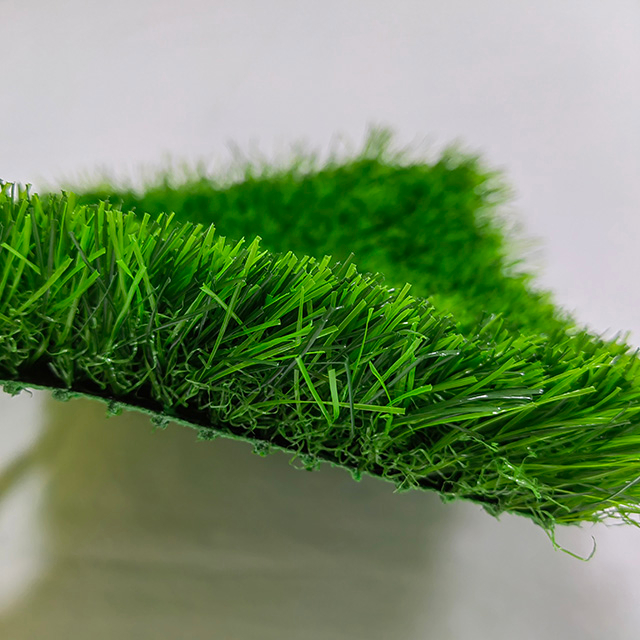
Longer pile heights, generally 40mm or more, create an ultra-realistic appearance that closely mimics natural grass. The taller blades provide a lush, full look that many homeowners and designers desire for decorative lawns or low-traffic areas. Because the fibers stand taller, they can bend and sway slightly, just like real grass does in the breeze, enhancing the natural effect.
This pile height also allows for more color variation and texture in the grass fibers, which adds depth and richness to the lawn’s appearance. The result is a soft, inviting surface that looks vibrant and alive. For example, a 50mm pile height artificial grass can resemble a freshly grown meadow or well-established natural lawn.
However, the very features that make long pile grass look so realistic also mean it requires more care to keep its beauty intact. The blades can flatten or mat in busy areas, which affects the visual appeal. Regular brushing helps maintain the upright stance of the fibers, ensuring the lawn continues to look fresh and natural over time.
Short pile artificial grass, usually between 20mm and 30mm, mimics the look of a freshly cut lawn. The blades are shorter and stand more rigidly, giving the lawn a neat, tidy appearance. This type of grass is perfect for those who prefer a manicured look or need a practical surface for high-traffic areas.
Because the fibers are shorter, the grass looks more uniform and structured. It doesn’t have the same soft, flowing texture as longer piles, but it offers a clean, crisp aesthetic. This makes short pile grass ideal for sports fields, playgrounds, or commercial spaces where a polished look is important.
Additionally, short pile grass can be easier to match with existing landscaping that features trimmed hedges or formal garden layouts. It provides a consistent, well-maintained appearance without the fluffiness of longer piles.
Tip: For a natural, lush lawn in low-traffic zones, choose longer pile heights; for a crisp, tidy look in busy areas, opt for shorter piles to maintain appearance longer.
Selecting the right pile height for artificial grass starts by understanding how you plan to use the area. High-traffic zones like playgrounds, sports fields, or pet areas benefit from shorter piles, typically between 20mm and 30mm. These shorter blades resist wear and tear better and require less maintenance. If your lawn sees a lot of foot traffic or pets running around, short pile grass offers durability and ease of care.
For family gardens or moderate-use spaces, medium pile heights from 30mm to 40mm strike a good balance. They provide a comfortable feel underfoot while still holding up well over time. This height is ideal if you want a lawn that feels soft but can also handle regular use by children or guests.
Long pile heights, over 40mm, suit decorative lawns or areas with minimal foot traffic. These taller blades create a lush, natural look that mimics real grass closely. However, they need more upkeep, including regular brushing to keep the blades upright and free from matting. If appearance is your top priority and you don’t mind some extra maintenance, long pile grass is a great choice.
Other factors include climate and environment. In wetter areas, shorter piles dry faster and reduce mold risk. In shaded or damp spots, longer piles might trap moisture, requiring more care. Also, consider the backing and stitch density, as these affect durability alongside pile height.
The key to choosing pile height lies in balancing how the grass looks and how it performs. A luscious, soft lawn with long blades may look stunning but could wear out quickly in busy areas. Conversely, a short pile lawn may last longer but might not offer the same natural feel or appearance.
Think about daily use: Will children play on it? Do pets run across it? Is it mostly decorative? Answering these questions helps you weigh durability against beauty. For example, a family with kids and dogs might prefer medium pile grass for comfort and resilience, while a homeowner focused on curb appeal might opt for long pile grass.
Budget also plays a role. Longer pile grass often costs more upfront and demands higher maintenance, which adds to long-term expenses. Shorter piles typically cost less and save money on upkeep.
Ultimately, the best pile height matches your lifestyle and expectations. It ensures your artificial lawn stays attractive, functional, and cost-effective over time.
Pile height impacts artificial grass's durability, maintenance, and appearance. Short piles offer enhanced durability and low maintenance, while long piles provide a natural look but require more care. When selecting artificial grass, balance aesthetics and functionality based on your needs. Qingdao XiHY Artificial grass offers products with varying pile heights, ensuring durability, easy maintenance, and natural beauty. Their artificial grass adds value by providing tailored solutions for different spaces, enhancing both appearance and functionality.
A: Pile height in artificial grass refers to the length of each grass blade, measured from the base to the tip, affecting its look and feel.
A: Shorter pile heights enhance durability for artificial grass, making it ideal for high-traffic areas, while longer piles are less durable.
A: Short pile artificial grass requires less maintenance as it resists matting and sheds debris easily, ideal for busy areas.
A: Long pile artificial grass offers a lush, natural appearance, perfect for decorative lawns with minimal foot traffic.
A: Longer pile artificial grass may cost more upfront and require higher maintenance, increasing long-term expenses.


