
WhatsApp

close
Choose Your Site
Global
Social Media
Author: Site Editor Publish Time: 2025-12-19 Origin: Site


Artificial grass is becoming increasingly popular for its beauty and low maintenance. However, the right sub base is crucial for a successful installation. In this article, we’ll explore the best sub bases for artificial grass, ensuring durability and performance. You’ll also learn about Qingdao XiHY Artificial Grass Company, a leader in quality solutions.
Artificial grass, often referred to as synthetic turf, is a man-made surface designed to mimic natural grass. It is made from various materials, primarily polyethylene, polypropylene, or nylon. These materials are crafted into fibers that resemble real grass blades.
There are several types of artificial grass, each tailored for specific uses. For example:
● Sports Turf: Engineered for sports fields like soccer, football, and golf courses.
● Landscape Turf: Ideal for residential gardens, parks, and commercial properties.
● Playground Turf: Designed for safety and durability in playgrounds and recreational areas.
Common applications for artificial grass include sports fields, landscaping projects, and even indoor spaces. Its versatility makes it a popular choice for homeowners and businesses alike.
One of the main advantages of artificial grass is its low maintenance requirements. Unlike natural grass, it does not need mowing, watering, or fertilizing. This means you can spend more time enjoying your yard and less time maintaining it.
Environmental benefits are another significant aspect. Artificial grass conserves water, which is especially important in drought-prone areas. Additionally, it eliminates the need for harmful pesticides and fertilizers, making it an eco-friendly alternative.
Here’s a quick overview of the benefits:
Benefit | Description |
Low Maintenance | No mowing, watering, or fertilizing needed. |
Water Conservation | Reduces water usage significantly. |
Eco-Friendly | No pesticides or chemicals required. |
Year-Round Aesthetics | Provides greenery throughout the seasons. |
Moreover, artificial grass offers year-round greenery and aesthetic appeal. It stays lush and vibrant regardless of weather conditions, enhancing the beauty of any space.
Qingdao XiHY Artificial Grass Company exemplifies this commitment to quality. They produce high-quality, environmentally friendly products that meet diverse customer needs. Their focus on innovation ensures that every piece of turf not only looks great but also performs well over time.
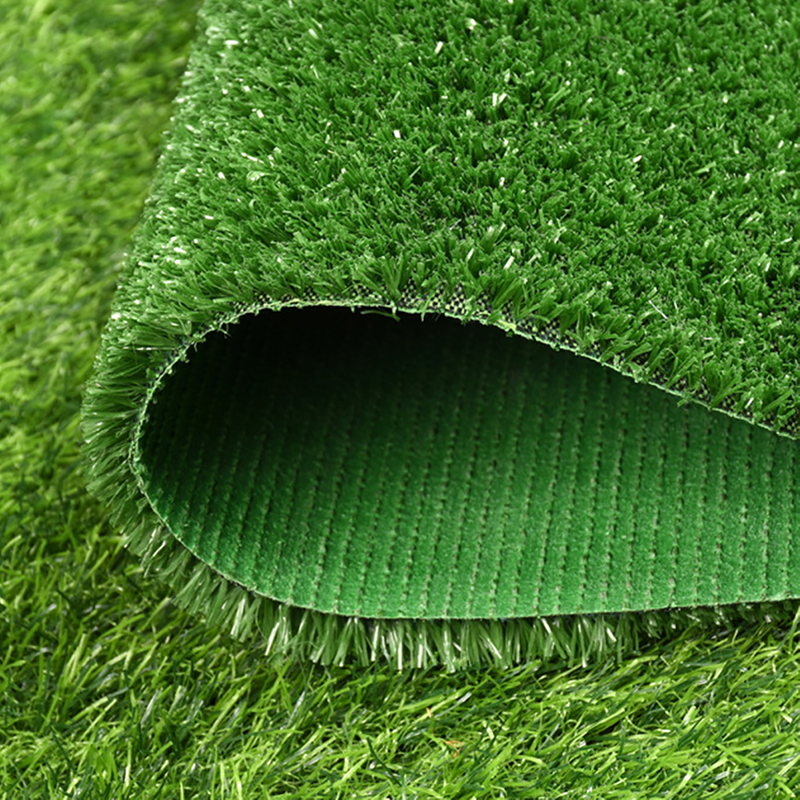
The sub base plays a crucial role in the installation of artificial grass. It serves as the foundation, influencing both durability and performance. A well-constructed sub base ensures that the turf remains level and stable over time.
When it comes to drainage, the sub base is essential. Proper drainage prevents water from pooling on the surface, which can lead to damage. If water is not managed correctly, it can compromise the integrity of the turf and create an uneven playing surface.
Here are some key points about the impact of the sub base:
● Durability: A solid sub base extends the lifespan of artificial grass.
● Performance: It enhances the overall experience, especially for sports applications.
● Leveling: Ensures a flat surface, reducing the risk of tripping hazards.
A good sub base provides several vital functions that enhance the performance of artificial grass. First and foremost, it offers stability and support. Without a solid foundation, the grass can shift, leading to uneven surfaces.
Prevention of Uneven Surfaces: A properly compacted sub base prevents sinking and shifting. This is particularly important in high-traffic areas where wear and tear can be significant.
Drainage Capabilities: Effective drainage is another critical function. A high-quality sub base allows water to flow through, preventing accumulation. This is especially important in regions with heavy rainfall.
Here’s a quick overview of the key functions:
Function | Description |
Stability | Provides a firm foundation for the turf. |
Prevention of Sinking | Reduces the risk of uneven surfaces over time. |
Effective Drainage | Ensures water flows away, avoiding pooling. |
In summary, the sub base is not just an afterthought; it’s a fundamental component of a successful artificial grass installation. Choosing the right materials and ensuring proper installation can make all the difference in the longevity and performance of your artificial grass.
Type 1 MOT stone, also known as crushed concrete or brick, is a popular choice for artificial grass sub bases. This material is composed of crushed stone, concrete, and brick, offering excellent drainage and stability. Its angular shape allows for better interlocking, which enhances the strength of the base.
Suitable Applications: This type of sub base is ideal for high-traffic areas, such as sports fields and playgrounds. It provides a robust foundation that can withstand heavy use.
Installation Tips: When installing Type 1 MOT stone, ensure it is compacted to prevent shifting. A depth of 100-150mm is typically recommended.
XiHY recommends using Type 1 MOT stone in combination with their artificial grass products for optimal performance. This combination ensures durability and maintains a level surface over time.
Grano dust, or fine crushed granite, is another excellent sub base option. It consists of finely crushed granite particles, which create a solid yet permeable surface. This material is particularly effective for areas that require good drainage.
Characteristics and Best Use Cases: Grano dust is known for its ability to compact well, making it suitable for residential lawns and landscaping projects.
Installation Recommendations: For best results, lay about 50mm of grano dust and compact it thoroughly. This will create a firm foundation that supports the artificial grass effectively.
Using grano dust with XiHY's artificial grass enhances the overall look and durability of your lawn. Its drainage properties help maintain a healthy environment for the turf.
Sharp sand, also known as washed silica sand, is another popular choice for artificial grass sub bases. This sand is coarser than regular sand, providing excellent drainage and support for the turf.
Benefits and Ideal Scenarios for Use: Sharp sand is particularly beneficial in areas prone to water pooling. It allows excess water to drain away, reducing the risk of turf damage.
Step-by-Step Installation Guide:
1. Prepare the Area: Clear the area of debris and vegetation.
2. Lay the Sand: Spread a layer of sharp sand approximately 30-50mm thick.
3. Compact: Use a plate compactor to ensure a solid base.
4. Level: Rake the surface to achieve a smooth, even finish.
Sharp sand complements the durability of XiHY's turf, ensuring it stays in place and looks great for years.
A geotextile membrane is a fabric used in conjunction with other sub bases to enhance drainage and prevent weed growth. This permeable material allows water to flow through while blocking soil and debris.
Explanation of Its Role and Advantages: The geotextile membrane acts as a barrier, preventing the sub base from mixing with the soil underneath. This helps maintain the integrity of the base and improves drainage.
When to Use It: It’s best to use a geotextile membrane in areas with heavy rainfall or where soil erosion is a concern.
XiHY suggests incorporating a geotextile membrane with any of their sub base options. This combination enhances the longevity of the artificial grass while ensuring optimal performance throughout its lifespan.
Here’s a quick comparison of the different types of sub bases for artificial grass:
Sub Base Type | Composition | Best Use Cases | Key Benefits |
Type 1 MOT Stone | Crushed concrete/brick | Sports fields, playgrounds | Excellent drainage, stability |
Grano Dust | Fine crushed granite | Residential lawns, landscaping | Good compaction, drainage |
Sharp Sand | Washed silica sand | Areas prone to water pooling | Enhanced drainage, support |
Geotextile Membrane | Permeable fabric | Heavy rainfall areas | Prevents weed growth, improves drainage |
When selecting the best sub base for artificial grass, several factors come into play. Understanding these elements will help you make an informed decision that meets your specific needs.
1. Climate Considerations: Climate plays a significant role in your choice of sub base. In rainy regions, you’ll need a material that promotes drainage to prevent water pooling. Conversely, in dry areas, you may prioritize materials that retain some moisture to support the grass.
2. Anticipated Foot Traffic: The amount of foot traffic your artificial grass will experience is another critical factor. Heavy-use areas, like sports fields or playgrounds, require a more robust sub base, such as Type 1 MOT stone. For light-use areas, like residential lawns, options like grano dust or sharp sand may suffice.
3. Budget Constraints: Cost-effectiveness is essential when choosing a sub base. While some materials may offer superior performance, they might not fit every budget. Evaluate your project’s financial limits and find a balance between quality and cost.
XiHY provides valuable insights into selecting the right sub base based on your project needs. They recommend assessing your specific conditions before making a final choice, ensuring you achieve optimal results.
When installing artificial grass, avoiding common mistakes can save you time and money. Here are some pitfalls to watch out for:
1. Using Inappropriate Materials: One of the biggest mistakes is using unsuitable materials, such as regular garden soil. This can lead to drainage issues and an unstable surface. Always choose materials specifically designed for sub bases.
2. Skipping Compaction and Drainage Considerations: Proper compaction is crucial for a stable sub base. Neglecting this step can result in uneven surfaces over time. Additionally, ensure adequate drainage to prevent water accumulation, which can damage the turf.
3. Neglecting Frost Heave: In colder climates, failing to account for potential frost heave can be detrimental. Frost can push the sub base upwards, causing the artificial grass to buckle. It’s essential to consider local climate conditions and plan accordingly.
Here’s a handy table summarizing the factors to consider and common mistakes to avoid:
Factor/Mistake | Description |
Climate Considerations | Choose materials based on wet or dry conditions. |
Anticipated Foot Traffic | Select robust sub bases for high traffic areas. |
Budget Constraints | Balance quality and cost to fit your budget. |
Inappropriate Materials | Avoid using garden soil; choose designed materials. |
Skipping Compaction | Always compact the sub base for stability. |
Neglecting Frost Heave | Plan for frost in colder regions to prevent damage. |
Before laying down your sub base for artificial grass, proper preparation is essential. Start by clearing the area of any debris, rocks, and vegetation. This ensures a smooth and stable foundation for the sub base.
Steps to Take:
1. Clear the Area: Remove all existing grass, weeds, and roots. A clean surface is crucial.
2. Level the Ground: Use a rake to level the soil, filling in any low spots to create an even surface.
3. Compact the Soil: Compact the soil using a plate compactor to prevent settling later.
Tools and Materials Needed:
● Shovels and rakes
● Plate compactor
● Landscape fabric (optional)
● Leveling sand (if needed)
Tool/Material | Purpose |
Shovels and Rakes | For clearing and leveling the area. |
Plate Compactor | To compact the soil for stability. |
Landscape Fabric | Optional, prevents weed growth. |
Leveling Sand | Used if additional leveling is needed. |
XiHY recommends using a landscape fabric to prevent weed growth, which can disrupt the integrity of your artificial grass. This simple step can save you a lot of trouble in the future.
Once the area is prepared, it’s time to install the sub base. Depending on the type of sub base you choose, the installation process may vary slightly.
Detailed Instructions:
● Type 1 MOT Stone: Spread a 100-150mm layer evenly, then compact it thoroughly using a plate compactor.
● Grano Dust: Apply a 50mm layer and compact it to create a solid surface.
● Sharp Sand: Lay a 30-50mm layer, ensuring it’s evenly distributed before compacting.
Sub Base Type | Layer Thickness | Installation Steps |
Type 1 MOT Stone | 100-150mm | Spread evenly, compact thoroughly. |
Grano Dust | 50mm | Apply layer, compact for solidity. |
Sharp Sand | 30-50mm | Distribute evenly, then compact. |
Importance of Proper Compaction and Leveling: Proper compaction is critical. It prevents shifting and ensures that the surface remains flat over time. Any unevenness can lead to pooling water and damage to the turf.
XiHY employs strict quality control measures during the installation process, ensuring that the sub base is solid and ready for artificial grass. They emphasize the need for precision, as even small mistakes can affect the turf's longevity.
Now comes the exciting part: laying the artificial grass. Following best practices during this step will help ensure a seamless installation.
Best Practices:
1. Roll Out the Turf: Lay the artificial grass in the desired direction, allowing it to acclimate for a few hours.
2. Trim Edges: Use a sharp utility knife to trim the edges for a clean finish.
3. Secure the Turf: Use landscape staples or adhesive to secure the turf in place.
Tips for Longevity and Performance: To ensure the best performance of your turf, avoid heavy foot traffic immediately after installation. Allow the grass to settle and adjust to its new environment.
XiHY’s products are designed to facilitate an easier installation process. Their user-friendly guidelines and high-quality materials help ensure that your artificial grass looks great and lasts for years.
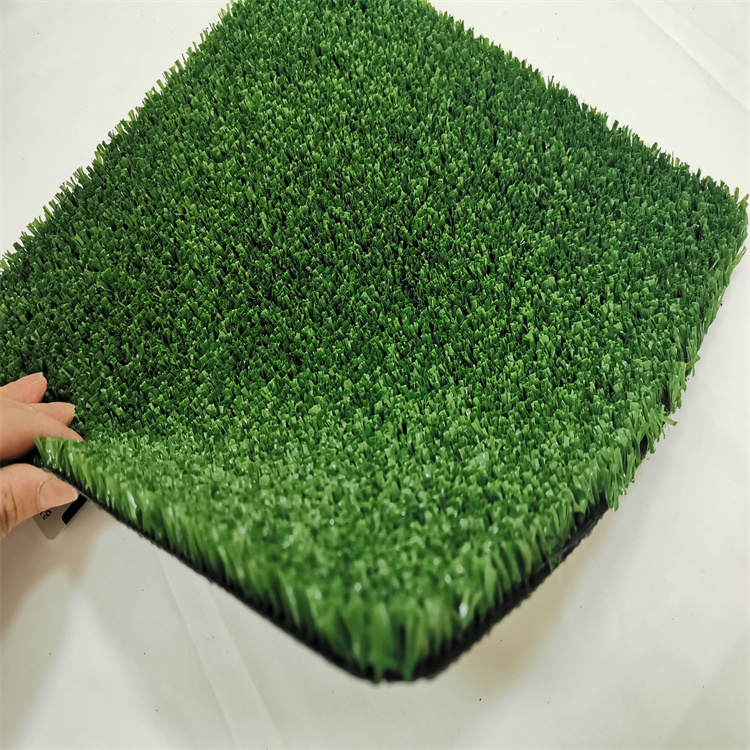
Maintaining your artificial grass is essential for ensuring its longevity and appearance. Simple maintenance practices can go a long way in extending the lifespan of your turf. Regularly brushing the grass helps keep the fibers upright and removes debris that can accumulate over time.
Simple Maintenance Practices:
1. Regular Brushing: Use a stiff-bristled broom or a power brush to keep the grass fibers standing tall and free from dirt.
2. Rinsing: Occasionally rinse the turf with water to remove dust and allergens, especially after heavy use or during pollen season.
3. Weed Control: Check for weeds that may sprout through the seams and remove them promptly to prevent damage.
Importance of Regular Inspections: Conducting regular inspections is crucial. Look for any signs of wear, such as flattened areas or discoloration. Early detection of issues can prevent more extensive repairs later on.
XiHY provides comprehensive guidelines for maintaining their artificial grass products, emphasizing the importance of regular care. Their recommendations include specific cleaning agents that are safe for synthetic materials, ensuring the turf remains vibrant and functional.
The sub base is just as important as the artificial grass itself. Regular monitoring can help identify issues before they become serious problems. Knowing what signs to look for can save you time and money in the long run.
Signs of Deterioration:
● Uneven Surfaces: Watch for areas that have settled or become uneven, which can cause water pooling.
● Drainage Issues: If water begins to collect on the surface instead of draining away, it may indicate problems with the sub base.
● Frost Heave: In colder climates, be alert for signs of frost heave, which can push the sub base upwards, affecting the grass.
Issue | Signs to Watch For | Recommended Actions |
Uneven Surfaces | Visible dips or bumps | Re-level the area and compact again. |
Drainage Problems | Water pooling | Check drainage pathways; clear blockages. |
Frost Heave | Raised areas in winter | Insulate the sub base to prevent frost. |
How to Address Problems: If you notice any of these issues, it’s essential to take action promptly. For uneven surfaces, re-leveling and compacting the area can restore stability. If drainage is a concern, clearing any blockages will help facilitate proper flow.
XiHY recommends long-term maintenance strategies, such as seasonal inspections and timely repairs. By keeping a close eye on both the artificial grass and the sub base, you can ensure a beautiful and functional lawn for years to come.
A: The best sub base varies by use; Type 1 MOT stone is ideal for high traffic, while sharp sand suits light use areas.
A: The sub base should typically be 100-150mm for Type 1 MOT stone and 30-50mm for sharp sand.
A: Installing directly on soil is not recommended; a proper sub base is necessary for stability and drainage.
A: Use materials like Type 1 MOT stone or sharp sand that promote drainage, and ensure proper compaction.
A: Costs vary; Type 1 MOT stone is generally more expensive than sharp sand but offers better durability for high traffic.
A: XiHY employs strict quality control measures and provides detailed guidelines for selecting and maintaining sub bases.
Selecting the right sub base for artificial grass is crucial. It affects durability, drainage, and overall performance.
Consider your specific needs and local conditions when choosing a sub base.
For professional installation services or inquiries about XiHY's products, please contact us today.


