
WhatsApp

close
Choose Your Site
Global
Social Media
Author: Site Editor Publish Time: 2025-12-09 Origin: Site


How To Choose The Right Synthetic Grass Turf Solution?
Choosing between synthetic grass turf and natural grass for your ideal lawn or sports field is a critical decision that goes beyond mere aesthetics. It represents a comprehensive contest involving time, financial investment, and physical effort. This article provides an in-depth analysis of their fundamental differences to help you make the most suitable choice based on your specific needs.
- Primary costs include materials and installation
- Price range: ¥80-300 per square meter, depending on fiber quality, density, and installation complexity
- Key cost factors:
- Fiber material (PE > PP)
- Pile height and density
- Backing technology (PU > SBR)
- Base preparation requirements
- Startup investments:
- Seeds/sod: ¥20-80 per square meter
- Soil improvement: Varies with soil condition
- Irrigation system: ¥50-100 per square meter for basic setup
- Site leveling: Requires professional grading
- Hidden cost: Time investment (2-3 months from seeding to established lawn)
- Annual maintenance:
- Regular debris removal
- Occasional rinsing
- Professional brushing every 1-2 years
- Annual cost: 3-5% of initial investment
- Time commitment: Approximately 30 minutes weekly
- Essential maintenance:
- Weekly mowing during growing season
- Regular watering (daily in summer)
- Seasonal fertilization and pest control
- Annual aeration and dethatching
- Annual cost: 20-30% of initial investment
- Time commitment: 2-3 hours weekly
Maintenance Conclusion: Within three years, cumulative natural grass maintenance costs can exceed synthetic grass turf's initial investment.

- Service life: 8-15 years (quality-dependent)
- Performance:
- High-quality products maintain over 80% performance for 10 years
- Excellent wear resistance for high-traffic areas
- UV-protected colors last 5-8 years
- Influencing factors: UV exposure, usage frequency, maintenance quality
- Lifecycle: Requires constant renewal
- Challenges:
- Wear damage in high-traffic areas
- Seasonal deterioration (dormancy in winter)
- Continuous pest and disease management
- Renewal needs: Major renovation every 3-5 years
- All-weather usability
- Consistent surface performance
- Ideal for:
- High-traffic areas (sports fields, playgrounds)
- Challenging locations (rooftops, balconies)
- Low-light conditions
- Safety: Even surface reduces fall injuries
- Natural experience:
- Authentic grass scent
- Natural soft texture
- Cooling effect through evapotranspiration
- Environmental services:
- Temperature reduction (5-8°C cooler than artificial turf in summer)
- Natural water infiltration
- Micro-habitat provision
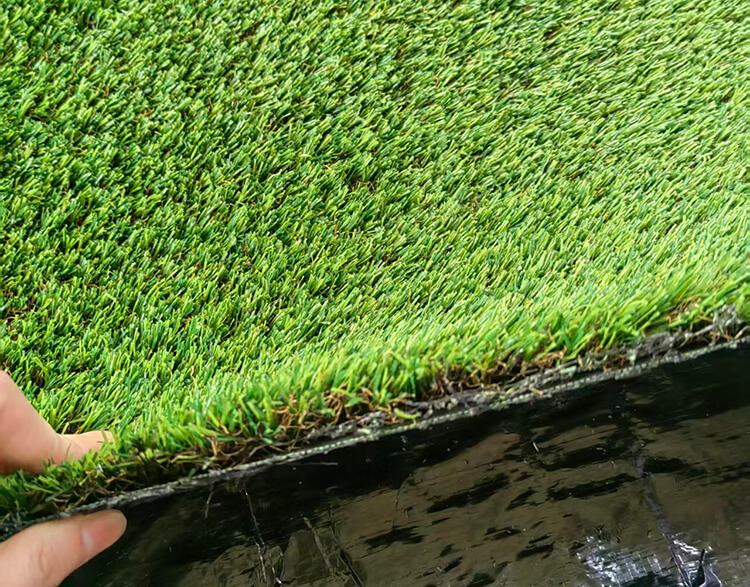
- Water conservation: Saves 1-1.5 tons per square meter annually
- Chemical avoidance: No pesticides or herbicides
- Carbon reduction: Eliminates mower emissions
- Sustainable innovations:
- Recyclable materials
- Eco-friendly infills
- Cooling technologies
- Environmental services:
- Carbon sequestration (~0.5kg annually per square meter)
- Oxygen production
- Soil erosion prevention
- Biodiversity support:
- Insect habitats
- Soil microorganism communities
Environmental Challenges:
- Synthetic Grass Turf: Microplastic concerns, recycling issues
- Natural grass: Water consumption, chemical runoff risk
1. Commercial landscapes (shopping centers, offices)
2. Sports facilities
3. Children's play areas
4. Challenging sites (rooftops, balconies)
5. High-use family yards
1. Eco-friendly residential areas
2. Large parks with maintenance resources
3. Golf courses
4. Low-traffic ornamental lawns
5. Rain gardens requiring natural infiltration
Answer these questions to determine your best choice:
1. Usage frequency?
- Daily use → Synthetic Grass Turf
- Occasional use → Natural grass
2. Maintenance budget?
- Limited budget → Synthetic Grass Turf
- Professional maintenance available → Natural grass
3. Water resources?
- Water-scarce area → Synthetic Grass Turf
- Ample water supply → Both options
4. Primary purpose?
- Sports/play → Synthetic Grass Turf
- Ecological enjoyment → Natural grass
5. Investment timeline?
- Long-term use → Synthetic Grass Turf
- Short-term use → Natural grass
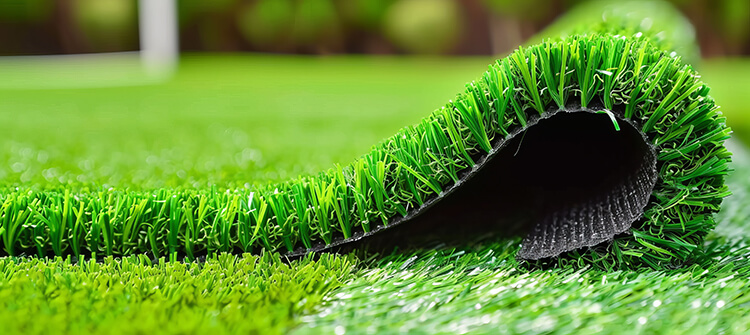
This ultimate comparison reveals no absolute winner. The decision depends on understanding your specific requirements, budget constraints, and usage scenarios.
- Prefer low maintenance with high usage
- Need consistent year-round performance
- Value water conservation
- Can make substantial initial investment
- Enjoy gardening and maintenance
- Prioritize natural ecological experience
- Have low usage frequency
- Have adequate water resources
Both options continue to evolve toward sustainability. Synthetic grass turf improves in eco-materials and recycling technology, while natural grass advances in water-efficient varieties and ecological maintenance. Whatever you choose, ensure it's based on comprehensive understanding and rational analysis to maximize the value of your green space.
Consider weighting each factor on a 1-10 scale according to your situation. The option with the higher total score likely represents your ideal choice. Remember, the best solution is the one that best satisfies your core requirements.


