
WhatsApp

close
Choose Your Site
Global
Social Media
Author: Site Editor Publish Time: 2025-08-07 Origin: Site


Keeping artificial grass clean and well-maintained is essential to preserve its natural appearance and extend its lifespan. Many homeowners and facility managers wonder if vacuum cleaning is a suitable method for maintaining artificial turf. The short answer is yes, vacuuming can be used in some cases, but it is not always the best or safest option for artificial grass. This article explores common debris found on turf, compares vacuum cleaning with alternative tools, and outlines best practices and precautions to help you maintain your artificial lawn effectively.
Artificial grass installations often accumulate various types of debris, depending on the location, usage, and surrounding environment. Understanding the types of debris helps in choosing the right cleaning method.
One of the most common types of debris on artificial turf is pet hair. For households with dogs or cats, loose fur naturally falls and settles on the surface of the turf. Pet hair can become embedded within the infill, making it more difficult to remove with simple sweeping or blowing.
Another frequent issue is dust and dirt buildup. Even in relatively clean environments, fine particles carried by wind or foot traffic tend to settle over time. This layer of dust can dull the turf’s appearance and reduce its softness. Over time, if not cleaned properly, dust buildup can also affect drainage by clogging the tiny gaps between blades.
Leaves, twigs, and other plant debris are especially common in outdoor settings, particularly during autumn or in areas with surrounding trees. These larger pieces can weigh down the blades and promote moisture retention, which might lead to mold or unpleasant odors if not removed promptly. Accumulated organic matter can also encourage weed growth along the edges if left unattended.
Finally, small bits of litter or organic waste like paper, food crumbs, or grass clippings from nearby lawns can accumulate. These debris types usually require periodic removal to maintain cleanliness and prevent pest attraction.
When it comes to cleaning artificial grass, several tools are available, each with advantages and limitations. Comparing vacuum cleaning with other popular methods helps determine the best approach for different situations.
Household vacuums, particularly upright models, can be used on artificial turf with care. They work well to remove light debris such as pet hair and fine dust, especially from indoor or small-scale artificial grass installations. However, it is crucial to use vacuum cleaners with adjustable suction settings or dedicated turf-safe attachments. High suction power or harsh brush rollers can damage the synthetic blades or pull out infill material.
Shop vacuums, also known as wet/dry vacs, provide strong suction and are useful for heavy-duty cleaning or wet debris removal. They can clear accumulated dirt and even dry damp patches after rain. But the force of a shop vac must be controlled carefully to avoid harming the turf structure.
Vacuuming is especially helpful in environments where pet dander and hair can cause allergy concerns. It can also assist in cleaning artificial grass used in indoor spaces, such as green rooftops or indoor sports areas, where traditional outdoor cleaning methods like leaf blowing aren’t feasible.
Power brooms are specialized motorized brushes designed specifically for artificial grass maintenance. Their rotating bristles gently lift debris and brush up the grass blades, restoring the turf’s upright posture and improving appearance. Unlike vacuums, power brooms do not rely on suction, which reduces the risk of infill displacement or fiber damage. They are especially effective for removing embedded pet hair, dust, and surface dirt.
Power brooms also help redistribute infill evenly across the turf, which is important for maintaining shock absorption and drainage performance. Regular brushing with a power broom can prevent matting and flattening of grass fibers, keeping the artificial lawn looking lush and natural.
Leaf blowers are a popular choice for outdoor artificial grass because they quickly and efficiently remove loose leaves, twigs, dust, and light debris. Using compressed air instead of physical contact, leaf blowers preserve the infill integrity and prevent bending or fraying of the grass blades. They are quiet, require minimal maintenance, and can cover large areas rapidly.
Although leaf blowers are excellent for dry, loose debris, they are less effective against embedded pet hair or fine dust that requires agitation or suction to remove.
Vacuum cleaning offers the benefit of capturing debris into a collection bag or canister, which is convenient for disposal and helps control allergens like pet dander. However, it risks damaging turf fibers or displacing infill if not used correctly.
Power brooms provide thorough cleaning and turf grooming, maintaining the aesthetic and functional qualities of the lawn. The main drawback is the need for specialized equipment and potentially higher costs.
Leaf blowers are fast and simple, with minimal risk of damage. Their downside is that they only move debris rather than collect it, which may require follow-up cleanup.
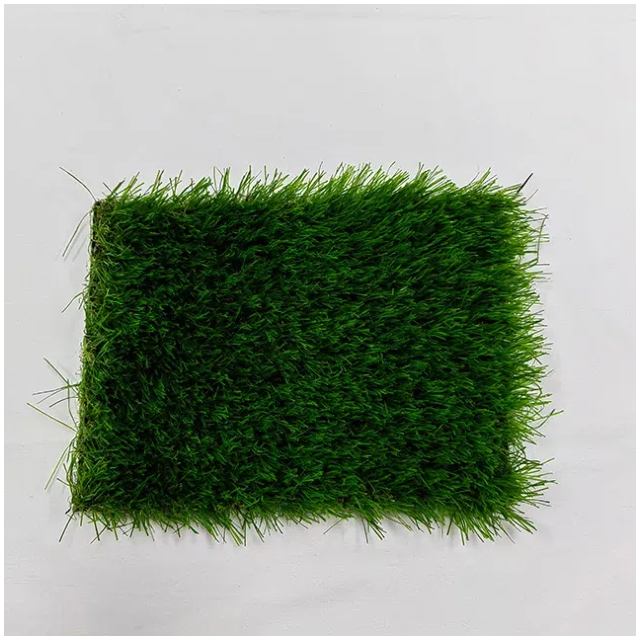
If you decide to vacuum artificial grass, following these guidelines will help protect your turf:
Use Low Suction Settings: Strong suction can pull infill granules and loosen the fibers, shortening turf life. Opt for the lowest effective suction or vacuums with adjustable power controls.
Choose Appropriate Attachments: Avoid rotating brush heads or stiff bristle rollers that can wear out or bend artificial blades. Flat, wide suction heads or soft brush attachments are safer.
Vacuum When Turf Is Dry: Wet turf can clog vacuum mechanisms, cause dirt clumps to form, and reduce cleaning efficiency.
Regularly Inspect the Turf: After vacuuming, check for any signs of fiber damage or infill displacement. If needed, redistribute infill evenly with a broom or power brush.
Combine Cleaning Methods: Use vacuuming for removing fine dust and pet hair, but supplement it periodically with power broom brushing and leaf blowing for optimal turf care.
Avoid Aggressive Maneuvers: Do not press too hard with the vacuum or drag it roughly across the turf, as this can cause premature wear or fiber deformation.
Schedule Routine Cleaning: Regular maintenance reduces buildup, making each cleaning session easier and reducing the risk of damage.
Vacuum cleaning can be a helpful tool for maintaining artificial grass, especially for removing fine dust and pet hair in indoor or smaller-scale installations. However, it must be performed carefully using low suction and turf-safe attachments to avoid damaging the grass fibers or infill.
For most outdoor artificial turf, soft brushing with a power broom or using a leaf blower are often safer and more effective cleaning methods. These tools protect the turf’s structure, enhance appearance, and extend the product’s lifespan.
At Qingdao XiHY Artificial Grass Company, we advise customers on the best maintenance practices tailored to their specific turf applications and environments. Proper cleaning combined with high-quality turf ensures your artificial lawn stays lush, vibrant, and durable throughout the year. For professional guidance or to explore our range of premium artificial grass products, contact us today.


