
WhatsApp

close
Choose Your Site
Global
Social Media
Author: Site Editor Publish Time: 2025-11-06 Origin: Site


Are you considering artificial grass for your sports field? With its rising popularity, choosing the right type is crucial. The right artificial grass enhances performance and ensures safety for athletes.
In this post, you’ll learn how to select the best artificial grass for various sports, considering factors like material and usage.
Artificial grass, often referred to as synthetic turf, is a man-made surface designed to mimic the look and feel of natural grass. It consists of synthetic fibers that are woven together to create a durable and resilient playing surface. This innovative material has evolved significantly over the years, offering a variety of options for different sports and activities.
The development of artificial grass dates back to the 1960s when it was first introduced in sports venues. The original product, known as AstroTurf, was primarily used in indoor stadiums. Over time, advancements in technology led to the creation of more realistic and versatile options. Today, artificial grass is widely used in various sports fields, including soccer, football, and tennis.
Artificial grass offers numerous advantages that make it a popular choice for sports fields. Here are some key benefits:
1. Durability and Low Maintenance
Unlike natural grass, artificial grass can withstand heavy foot traffic and adverse weather conditions. It requires minimal upkeep, eliminating the need for mowing, watering, and fertilizing. This means less time and money spent on maintenance.
2. Consistent Playing Conditions
One of the standout features of artificial grass is its ability to provide consistent playing conditions. Regardless of the weather, athletes can enjoy a reliable surface that performs well in rain or shine. This consistency enhances safety and performance, reducing the risk of injuries.
3. Environmental Benefits
Choosing artificial grass also has positive environmental impacts. It conserves water since it doesn't require irrigation like natural grass. Additionally, there’s no need for harmful pesticides or fertilizers, making it a safer option for both players and the environment.
Benefits | Artificial Grass | Natural Grass |
Durability | High | Moderate |
Maintenance | Low | High |
Weather Resistance | Excellent | Variable |
Water Usage | Minimal | High |
Chemical Usage | None | Often required |
In summary, artificial grass combines durability, low maintenance, and environmental benefits, making it an ideal choice for sports fields. With its continual evolution, it remains a leading option for enhancing athletic performance and safety.
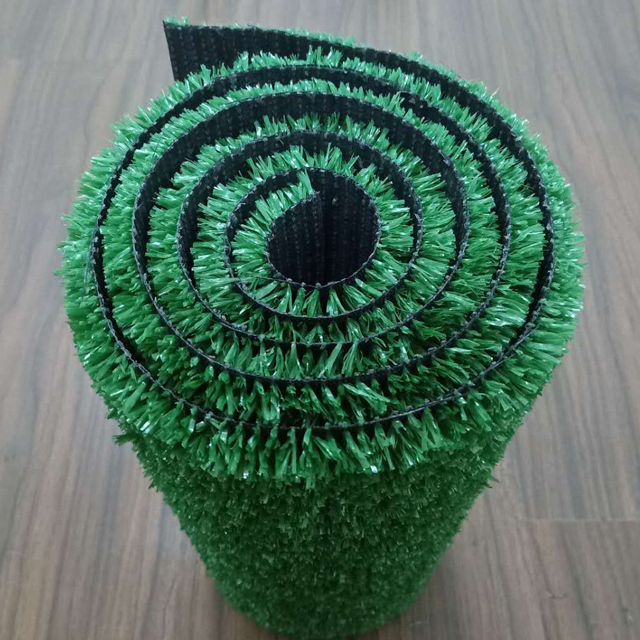
When selecting artificial grass, several important factors come into play. Understanding these factors can help you make an informed decision.
Different sports have unique requirements, which greatly influence grass selection. For instance, soccer fields need a surface that can handle quick movements and sudden stops, while tennis courts require a smoother, firmer surface for better ball control. Here’s a quick overview:
Sport | Grass Requirements |
Soccer | Durable, good traction |
Football | Strong, shock-absorbing |
Tennis | Smooth, consistent bounce |
Rugby | Resilient, able to withstand heavy use |
The intensity of use also plays a critical role. Recreational fields may not need the same durability as professional venues. For example, a local park used for casual games can opt for more cost-effective options, while professional sports teams require high-performance surfaces that can endure rigorous play.
Local weather conditions impact the durability and performance of artificial grass. In areas with extreme temperatures or heavy rainfall, selecting a grass type that can withstand these conditions is vital. For example, regions with high UV exposure may benefit from UV-resistant fibers to prevent fading and degradation.
In addition to the factors mentioned, several core dimensions should guide your selection process.
The type of fiber used in artificial grass significantly affects its performance, durability, and cost. Here’s a breakdown of common materials:
● Polypropylene (PP): Cost-effective but less elastic, making it suitable for low-traffic areas.
● Polyethylene (PE): Offers softness and elasticity, ideal for medium to high-intensity sports.
● Nylon: Highly durable and resilient, perfect for professional sports, but typically more expensive.
Material | Durability | Softness | Cost |
Polypropylene | Moderate | Low | Low |
Polyethylene | High | High | Moderate |
Nylon | Very High | Moderate | High |
The shape of the grass blades can also influence performance and safety. Different shapes serve various purposes:
● Round Blades: Provide basic support, suitable for low-intensity areas.
● Hollow and U-shaped Blades: Offer better support and shock absorption, making them ideal for high-impact sports.
Finally, consider whether to choose filled or non-filled artificial grass. Filled grass includes materials like sand and rubber, providing cushioning and stability. Non-filled options are simpler but may lack some benefits. Here’s a comparison:
Type | Pros | Cons |
Filled | Better shock absorption, stability | Higher maintenance |
Non-Filled | Easier to install, lower cost | Less cushioning |
Filling materials like silica sand and rubber granules are crucial for enhancing durability and player comfort. They provide necessary cushioning, making the playing surface safer and more enjoyable.
By considering these factors and dimensions, you can choose the right type of artificial grass that meets your specific needs and enhances the overall experience for athletes.
When selecting artificial grass for sports fields, understanding key performance indicators is essential. These indicators help ensure the chosen surface meets the demands of athletes while providing durability and safety.
Several critical performance indicators can affect the overall quality and longevity of artificial grass. Let’s explore these in detail.
UV resistance is crucial for outdoor artificial grass. Prolonged exposure to sunlight can lead to fading and degradation of the fibers, which ultimately impacts the surface's performance. High-quality artificial grass should have UV-stabilized materials to maintain its color and integrity over time. This is especially important in regions with intense sun exposure, where poor UV resistance can lead to a shorter lifespan and increased maintenance costs.
UV Resistance Level | Impact |
Low | Rapid fading, reduced lifespan |
Moderate | Some fading, acceptable lifespan |
High | Minimal fading, long-lasting performance |
Tensile strength refers to the ability of the grass fibers to withstand pulling forces without breaking. This characteristic is vital for preventing wear and tear, especially in high-traffic areas. Stronger fibers can endure the stresses of athletic activity, maintaining the surface's integrity over time. For sports like football and soccer, where quick changes in direction are common, high tensile strength helps reduce the risk of fiber damage.
Tensile Strength | Significance |
Low | Prone to tearing, shorter lifespan |
Moderate | Acceptable durability, some wear |
High | Excellent durability, withstands heavy use |
Grass density plays a significant role in the performance and longevity of artificial grass. Higher density means more fibers per square meter, which can enhance the surface's resilience and comfort. Dense grass not only provides a more natural feel but also improves shock absorption, reducing the risk of injuries during play.
For high-intensity sports, it's recommended to choose grass with a density of at least 9,500 tufts per square meter. This level of density ensures that the surface can handle the rigors of professional play while providing a safe environment for athletes.
Density Level (tufts/m²) | Recommended Use |
< 7,000 | Low-intensity recreational |
7,000 - 9,500 | Medium-intensity sports |
≥ 9,500 | High-intensity sports |
By focusing on these performance indicators—UV resistance, tensile strength, and grass density—you can make a well-informed choice when selecting artificial grass for sports fields. Each factor contributes to the overall functionality and durability of the playing surface, ensuring it meets the needs of athletes.
Selecting the right specifications for artificial grass is crucial for ensuring optimal performance on sports fields. Grass height and density significantly influence how well the surface can support various sports activities. Here, we’ll break down the recommendations for different sports and how these specifications interact.
When it comes to artificial grass, both height and density play vital roles in its effectiveness. Different sports have unique requirements, and understanding these can help you choose the best option for your needs.
The height of artificial grass can vary based on the type of sport being played. Here’s a quick overview of recommended heights for popular sports:
Sport | Recommended Height (mm) |
Soccer | 50-65 |
Football | 50-65 |
Basketball | 20-30 |
Rugby | 40-60 |
Tennis | 20-30 |
For example, if you're focusing on 11-a-side football, a grass height of 50-65 mm is ideal. This range provides the necessary cushioning and support for players while allowing for good ball control. On the other hand, basketball courts benefit from shorter grass, typically around 20-30 mm, which helps maintain a smooth playing surface for quick movements and precise footwork.
Density is another critical factor when choosing artificial grass. It refers to the number of blades per square meter, which directly correlates with the grass height and the intensity of the sport being played. Higher density grass can better withstand wear and tear, making it suitable for high-impact sports.
Density Level (tufts/m²) | Recommended Sports |
< 7,000 | Low-intensity recreational |
7,000 - 9,500 | Medium-intensity sports |
≥ 9,500 | High-intensity sports |
For instance, high-density grass (≥ 9,500 tufts/m²) is essential for sports like soccer and rugby, where the field experiences significant foot traffic. This density not only enhances durability but also contributes to player safety by providing better shock absorption.
In summary, when selecting artificial grass, consider both the height and density specifications tailored to the specific sports involved. By matching these attributes with the demands of the game, you can ensure a high-quality playing surface that meets the needs of athletes.
When selecting artificial grass for sports fields, understanding the different product options available is essential. Each category offers unique features and benefits tailored to various needs and budgets. Here’s a closer look at popular artificial grass products.
Artificial grass comes in a variety of options, ranging from economical choices to high-end products designed for professional use. Let’s explore these categories in detail.
Budget-friendly artificial grass is perfect for those looking to save costs while still enjoying the benefits of a synthetic surface. These products typically feature a shorter blade height and simpler materials, making them more affordable.
● Features: Generally made from polypropylene (PP) or a mix of PP and polyethylene (PE), these grasses are lightweight and easy to install.
● Benefits: They provide decent durability for low-traffic areas, making them suitable for residential lawns or community spaces.
Mid-range artificial grass strikes a balance between quality and affordability. These products often have better durability and aesthetics than budget options, making them suitable for schools and recreational facilities.
● Characteristics: Usually made from a higher percentage of PE, these grasses offer improved softness and resilience.
● Benefits: They can withstand moderate foot traffic and provide a more realistic look and feel compared to cheaper alternatives.
For those seeking the best performance, premium artificial grass products are the way to go. These high-end options are designed for professional sports venues and high-traffic areas.
● Features: Made from advanced materials, such as multi-faceted PE fibers, they offer exceptional durability and realistic appearance.
● Benefits: These grasses can handle intense use and provide superior performance, making them ideal for professional sports teams and elite training facilities.
Understanding the specifications of artificial grass products is crucial for making an informed decision. Here’s a breakdown of key parameters across various types of grass.
Product Type | Height (mm) | Material | Density (tufts/m²) | Price Range (RMB/m²) | Lifespan (Years) |
Economic Filled Football | 32-40 | PP + PE mix | 7,000 - 9,000 | 20-30 | 5-7 |
Mid-Range Multi-Sport | 40-50 | PE | 9,000 - 11,000 | 30-50 | 7-10 |
Professional Tennis Grass | 25-30 | PE multi-faceted | 11,000+ | 50-65 | 10-15 |
● Economic Filled Football Grass: This option features a height of 32-40 mm, made from a mix of PP and PE, priced at around 20-30 RMB/m². It’s a great choice for casual play and community fields.
● Professional Tennis Grass: Designed for serious athletes, this grass has a height of 25-30 mm and is made from multi-faceted PE fibers. It typically costs between 50-65 RMB/m², offering excellent performance and durability.
By exploring these product categories and specifications, you can make a well-informed choice when selecting the right artificial grass for your sports field.
When selecting artificial grass for sports fields, customization plays a crucial role in ensuring that the product meets specific requirements. From size and shape to performance features, tailored solutions can enhance both functionality and aesthetics. Let’s explore the various customization options available.
One of the primary advantages of artificial grass is its versatility in size and shape. Tailoring the grass to fit specific field dimensions is essential for optimal performance and appearance. Whether it’s a small backyard soccer field or a large multi-sport complex, customizing the dimensions ensures a perfect fit.
● Importance: A well-fitted grass surface minimizes waste and maximizes playability. It also enhances the overall look of the field, making it visually appealing for players and spectators alike.
● Considerations: When customizing size and shape, consider the layout of the field, including goal areas and sidelines. Accurate measurements are vital to avoid any mismatches during installation.
Beyond size, performance customization is key to meeting the unique needs of different sports. Adjusting the material and density of the grass can significantly impact its durability and playability.
● Material Choices: Different sports may require specific materials. For instance, soccer fields often benefit from a denser grass to withstand heavy foot traffic, while tennis courts might need a softer surface for enhanced ball control.
● Density Adjustments: The density of the grass affects its resilience. Higher density options provide better cushioning and durability, making them suitable for high-impact sports. Suppliers often offer various density levels to cater to specific sports requirements.
Sport Type | Recommended Material | Ideal Density (tufts/m²) | Benefits |
Soccer | PE + PP mix | 10,000+ | High durability, good ball control |
Tennis | Multi-faceted PE | 8,000 - 10,000 | Soft surface, excellent playability |
Field Hockey | High-density PE | 10,000+ | Strong performance under heavy use |
In addition to customization options, many suppliers offer a range of additional services to enhance the overall experience of purchasing artificial grass.
● Installation Services: Professional installation ensures that the grass is laid correctly, maximizing its lifespan and performance. Many companies provide trained teams to handle the installation process efficiently.
● Maintenance Packages: Regular maintenance is essential for keeping artificial grass in top condition. Suppliers often offer maintenance services, including cleaning and repairs, to help extend the life of the grass.
● Design Consultation: Some suppliers provide design services, helping clients visualize how the grass will fit into their space. This can include layout planning and color selection to match the surrounding environment.
By considering these customization options and additional services, you can ensure that the artificial grass chosen for your sports field is perfectly suited to your specific needs, enhancing both performance and aesthetics.
Choosing the best artificial grass for sports fields involves several key factors. Consider the size, shape, and performance needs of your field.
Customization options can enhance durability and playability. Don't forget to explore additional services like installation and maintenance.
Assess your specific needs carefully and consult with experts to make an informed decision. This approach will ensure you select the right artificial grass for optimal performance.
A: The lifespan of artificial grass typically ranges from 10 to 25 years, depending on the quality and usage.
A: Maintenance involves regular cleaning, brushing, and occasional infill replenishment to keep it in optimal condition.
A: Yes, high-quality artificial grass is safe for children and pets, often made from non-toxic materials.
A: Many types of artificial grass can be recycled, but it's essential to check with local facilities for options.
A: Artificial grass is designed to withstand extreme weather, maintaining its appearance and functionality in heat, cold, and rain.


