
WhatsApp

close
Choose Your Site
Global
Social Media
Author: Site Editor Publish Time: 2026-02-16 Origin: Site


Are you tired of the same old lawn maintenance routine? Artificial lawns offer a low-maintenance solution, providing lush greenery all year round. However, they can sometimes lack the vibrancy of real plants.
In this article, we’ll explore three great ways to enhance your artificial lawn with real flowers and plants. You’ll discover how to create a beautiful, eco-friendly space that complements your synthetic grass, featuring insights from Qingdao XiHY Artificial Grass Company. Let’s dive in!
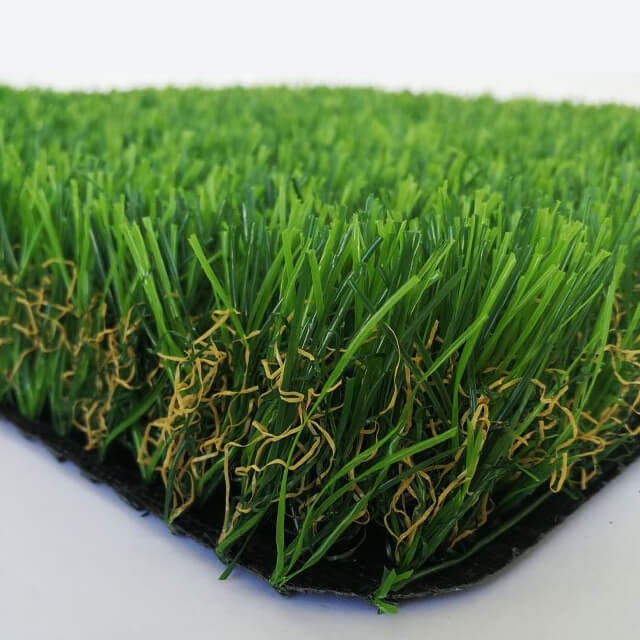
An artificial lawn, often referred to as synthetic turf, is a surface made from synthetic fibers designed to mimic the appearance of natural grass. It’s composed of various materials, including polyethylene, polypropylene, and nylon, which provide durability and a realistic look.
Artificial lawns are becoming increasingly popular for residential and commercial applications. They offer a consistent and vibrant green appearance year-round, making them an attractive option for many homeowners and businesses alike.
When it comes to artificial grass, there are several options available. Here are some common types, including offerings from Qingdao XiHY Artificial Grass Company:
● Sports Turf: Designed for athletic fields, this type of turf is engineered to withstand heavy foot traffic and provide excellent performance for sports like football, soccer, and baseball.
● Landscaping Grass: Ideal for residential yards, this turf is designed to create a lush, natural-looking lawn. It often features a mix of different blade heights and colors to enhance realism.
● Putting Green Turf: Specifically made for golf enthusiasts, this type of artificial grass is crafted to provide a smooth surface for putting greens, ensuring an optimal playing experience.
Type of Artificial Grass | Key Features | Best Uses |
Sports Turf | Durable, high-performance | Athletic fields |
Landscaping Grass | Natural appearance, various blade heights | Residential landscaping |
Putting Green Turf | Smooth, low pile height | Golf putting greens |
Artificial lawns come with a range of benefits that make them an appealing choice for many. Here are some key advantages:
● Low Maintenance: One of the biggest draws of an artificial lawn is the minimal upkeep required. There’s no need for mowing, watering, or spraying pesticides. This not only saves time but also reduces costs associated with lawn maintenance.
● Water Conservation: In regions prone to drought, artificial grass is a smart solution. It helps conserve water by eliminating the need for irrigation. This is particularly beneficial in areas where water resources are limited, allowing homeowners to maintain a green space without excessive water usage.
● Year-Round Greenery: Unlike natural grass, which can become brown and patchy during dry seasons or winter months, artificial lawns maintain their vibrant appearance throughout the year. This consistency ensures that your outdoor space looks inviting, regardless of the weather.
Many homeowners are concerned about the environmental impact of artificial lawns. While they do require energy and resources to produce, the long-term benefits can outweigh these initial costs. By conserving water and reducing the need for chemical treatments, artificial lawns can contribute to a more sustainable landscape.
In summary, artificial lawns provide a practical solution for those looking to enhance their outdoor spaces. With options from companies like Qingdao XiHY, homeowners can find the perfect type of turf to suit their needs. Whether for sports, landscaping, or recreational use, artificial grass offers a beautiful and functional alternative to traditional lawns.
Adding real plants to your artificial lawn can significantly elevate its visual appeal. The contrast between vibrant flowers and lush synthetic grass creates a stunning landscape. Here’s how:
● Color and Texture Diversity: Real flowers come in various colors and shapes, offering a dynamic look that artificial grass alone can't provide. This diversity adds layers of interest, making your yard more inviting.
● Creating a Natural Look and Feel: Real plants help soften the stark appearance of synthetic turf. They introduce organic elements that can mimic the look of a natural garden, making the space feel more alive and welcoming.
Integrating real plants into your artificial lawn isn't just about looks; it also supports the environment. Here are a couple of key benefits:
● Supporting Local Wildlife: Planting native species attracts pollinators like bees and butterflies. These creatures are essential for maintaining local ecosystems, and your garden can play a part in their survival.
● Improving Air Quality: Real plants contribute to cleaner air through photosynthesis. They absorb carbon dioxide and release oxygen, enhancing the overall air quality around your home.
The psychological advantages of adding greenery to your outdoor space are substantial. Nature has a profound impact on our well-being:
● Connection to Nature: Spending time in green spaces fosters a sense of peace. Real plants can enhance your outdoor experience, providing a serene environment for relaxation and reflection.
● Stress Reduction: Studies show that being around greenery can lower stress levels. The calming effect of plants and flowers can create a soothing atmosphere, making your artificial lawn a perfect retreat.
Benefit Type | Specific Advantages |
Aesthetic Enhancement | - Color and texture diversity |
- Natural look and feel | |
Environmental Benefits | - Supports local wildlife |
- Improves air quality | |
Psychological Benefits | - Enhances connection to nature |
- Reduces stress through green spaces |
By combining real plants with your artificial lawn, you not only create a beautiful landscape but also contribute positively to the environment and your mental health. It’s a simple way to enhance your outdoor space while enjoying the numerous benefits that nature provides.
Raised beds are garden structures that elevate the planting area above the surrounding soil. They can be made from various materials, including wood, stone, or metal. This design not only enhances aesthetics but also improves drainage and soil quality.
● Materials Commonly Used:
○ Wood: Cedar and redwood are popular due to their natural resistance to rot.
○ Metal: Galvanized steel offers a modern look and durability.
○ Stone: Provides a rustic charm and excellent insulation for plant roots.
Creating raised beds around your artificial lawn is a straightforward process. Here’s a step-by-step guide:
1. Choose Your Location: Identify areas around your artificial lawn that receive adequate sunlight. Most flowers and shrubs thrive in full sun.
2. Determine the Size: A width of 3 to 4 feet allows easy access for planting and maintenance. Length can vary based on your space.
3. Prepare the Ground: Clear the area of grass and debris. This helps prevent weeds from encroaching into your raised bed.
4. Construct the Frame: Use your chosen materials to build the frame. Ensure it’s sturdy enough to hold soil and plants.
5. Fill with Soil: Use a high-quality soil mix suitable for raised beds. This often includes compost, peat moss, and topsoil.
6. Plant Your Flowers and Shrubs: Choose plants that complement your artificial lawn while thriving in raised beds.
When selecting plants for your raised beds, consider low-maintenance options that pair well with artificial grass. Here are some great suggestions:
● Petunias: These colorful flowers bloom all summer and require minimal care.
● Dwarf Jasmine: A compact shrub with fragrant flowers, perfect for adding greenery.
● Lavender: Not only does it look beautiful, but it also attracts pollinators and has a pleasant scent.
Plant Type | Benefits | Care Requirements |
Petunias | Vibrant colors, long blooming period | Water regularly, deadhead for blooms |
Dwarf Jasmine | Fragrant flowers, compact size | Low water needs, well-drained soil |
Lavender | Attracts pollinators, drought-tolerant | Minimal watering, full sun |
Raised beds offer numerous advantages, especially when paired with an artificial lawn:
● Prevents Soil Interference: By keeping soil and organic matter separate from your artificial grass, you ensure the longevity of the turf. This prevents potential damage from soil compaction or organic decay.
● Easier Access for Maintenance: Raised beds make it simpler to tend to your plants. You can easily reach in to weed, water, or harvest without stepping on your artificial lawn.
● Enhanced Aesthetic Appeal: Defined borders create a clean and organized look, making your outdoor space feel more polished. The contrast between the natural elements of the raised bed and the synthetic grass adds depth to your landscape.
Incorporating raised beds around your artificial lawn is a smart way to enhance both the beauty and functionality of your outdoor space. With the right materials and plants, you can create a vibrant garden that complements your artificial turf seamlessly.
Enhancing your artificial lawn with potted plants and containers can create a vibrant and dynamic landscape. This method not only adds color but also introduces texture and variety, making your outdoor space more inviting.
Potted plants offer several benefits that make them an appealing choice for complementing an artificial lawn:
● Flexibility in Design: You can easily rearrange pots to create new looks. This adaptability allows you to change your landscape according to the seasons or your mood.
● Dynamic Seasonal Changes: With potted plants, you can switch out flowers and foliage, keeping your garden fresh and interesting throughout the year.
Selecting the right containers is crucial for the health of your plants and the overall aesthetic of your lawn. Here are some considerations:
● Materials: Choose pots made from durable materials like ceramic, fiberglass, or resin. Each material has its own benefits, such as insulation properties or weight considerations.
● Sizes: Ensure pots are appropriately sized for the plants you choose. Larger pots tend to retain moisture better, while smaller ones can be moved easily.
● Drainage: Proper drainage is essential. Look for pots with holes at the bottom to prevent waterlogging, which can harm plant roots.
Where you place your pots can significantly impact the visual appeal of your artificial lawn:
● Create Visual Interest: Arrange pots in clusters or along pathways to draw the eye. This creates focal points that enhance the landscape.
● Height Variations: Use pots of different heights to add depth. Taller plants can serve as backdrops, while shorter ones can fill in the foreground, creating a layered effect.
When selecting plants for your containers, consider options that thrive in various conditions:
● Drought-Tolerant Varieties: Succulents and ornamental grasses are excellent choices. They require minimal water and are low maintenance, making them perfect for busy lifestyles.
● Seasonal Blooms: Incorporate seasonal flowers like petunias or marigolds for pops of color. These can be swapped out easily, keeping your landscape lively.
Container gardening provides unique advantages that complement an artificial lawn:
● Mobility: Pots can be moved around to suit your design preferences or seasonal changes. This flexibility allows for easy updates without disrupting the artificial grass.
● Seasonal Decor Changes: You can refresh your landscape's appearance with different plants each season, ensuring your outdoor space always feels new and inviting.
By thoughtfully incorporating potted plants into your artificial lawn, you create a lush, engaging environment that reflects your personal style. This method not only enhances the aesthetic appeal but also allows for creativity and adaptability in your landscaping efforts.
Integrating low-maintenance, drought-tolerant plants into your artificial lawn can enhance its beauty while minimizing upkeep. These plants thrive in various climates, making them an excellent choice for anyone looking to simplify their gardening routine.
Drought-tolerant plants are species that can survive long periods without water. They possess unique characteristics that make them ideal for dry conditions:
● Water Conservation: These plants have adapted to store water in their leaves, stems, or roots, allowing them to endure dry spells.
● Climate Versatility: They can thrive in various climates, from arid deserts to temperate regions, making them suitable for diverse landscapes.
Opting for low-maintenance plants aligns perfectly with the effortless nature of an artificial lawn. Here’s why they work well together:
● Less Time and Effort: Just like XiHY's artificial lawns, low-maintenance plants require minimal care. This combination allows you to enjoy a beautiful garden without the hassle of constant upkeep.
● Consistency in Appearance: Low-maintenance plants maintain their visual appeal throughout the seasons, complementing the evergreen look of artificial grass.
Here are some excellent choices for low-maintenance plants that thrive alongside your artificial lawn:
Plant Type | Characteristics | Maintenance Level |
Lavender | Aromatic, attracts pollinators | Low |
Bee Balm | Bright flowers, drought-resistant | Low |
Sedum | Succulent, requires little water | Very Low |
Ornamental Grasses | Adds texture, easy to grow | Low |
These plants not only require minimal watering but also enhance the aesthetic appeal of your landscape. For instance, lavender's vibrant purple blooms create a stunning contrast against the green of artificial grass.
To ensure your real plants and artificial lawn thrive together, consider these placement tips:
● Strategic Planting: Position plants around the edges or in clusters to create a natural transition between the artificial grass and the garden. This approach minimizes disruption and maintains a cohesive look.
● Layering: Use taller plants at the back and shorter ones in front. This layering technique adds depth and visual interest, making both the plants and the lawn stand out.
● Soil Considerations: Ensure the soil around your plants drains well. Even though artificial grass is low-maintenance, proper soil conditions help real plants flourish without over-saturation.
By choosing low-maintenance, drought-tolerant plants, you can create a harmonious blend of beauty and functionality in your outdoor space. This thoughtful approach not only enhances the visual appeal of your artificial lawn but also simplifies your gardening experience, allowing you to enjoy your landscape without the constant demands of traditional gardening.
Combining real flowers and plants with your artificial lawn brings numerous benefits. It enhances beauty, adds texture, and creates a vibrant outdoor space. XiHY's products make this easy and low-maintenance.
We encourage you to try the three methods discussed to elevate your garden.
Share your experiences or photos of your artificial lawn complemented with real plants. Let's foster a community of creativity!
A: Yes, real plants can thrive alongside an artificial lawn when chosen carefully. Drought-tolerant and low-maintenance plants work best.
A: Some great options include lavender, bee balm, and ornamental grasses, as they complement artificial lawns and require minimal care.
A: Research local climate conditions and select drought-tolerant plants that are suited for your area's temperature and rainfall patterns.
A: Properly placed plants with good drainage won't affect the artificial lawn's drainage, ensuring both can thrive together.
A: To ensure compatibility, strategically place plants around the edges and choose varieties that require similar care. This maintains aesthetic harmony and functionality.


