
WhatsApp

close
Choose Your Site
Global
Social Media
Author: Site Editor Publish Time: 2026-01-20 Origin: Site


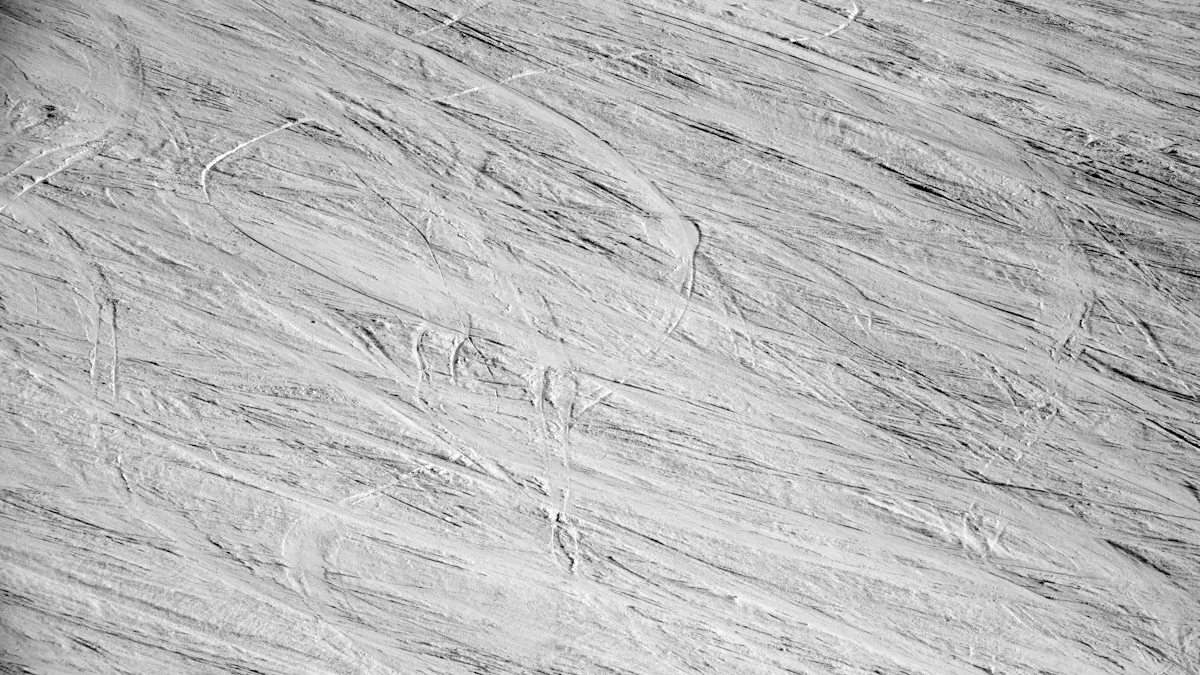
If you like skiing, you know fresh snow is exciting. Most skiers think snow feels better under your skis, providing a softer and smoother ride. However, you might prefer synthetic ski grass more, as it allows you to practice skiing near your city more often.
Dry slopes are easy to access. They are usually closer to urban areas and can be used year-round. They enable you to ski in the off-season and are beneficial for those in regions with little snow.
When you compare synthetic ski grass vs snow, you notice some significant differences:
Synthetic surfaces can be rougher than snow, which may cause your equipment to wear out faster.
Synthetic surfaces maintain a consistent texture, making it easier to practice skills, especially for beginners.
Skiing on both surfaces offers a different experience. Your choice ultimately depends on what you seek from your skiing adventures.
Snow gives a soft and smooth ride, so it feels nicer for skiers, especially if you fall.
Synthetic ski grass lets you ski all year and is easier to find for practice, especially if you live in a city.
Skiing on synthetic grass can make your gear wear out faster, so you need to take care of it often.
Both surfaces have their own challenges; practicing on synthetic grass can help you get better balance and skills.
Snow makes everything feel special and helps people have more fun together, so skiing is more enjoyable.
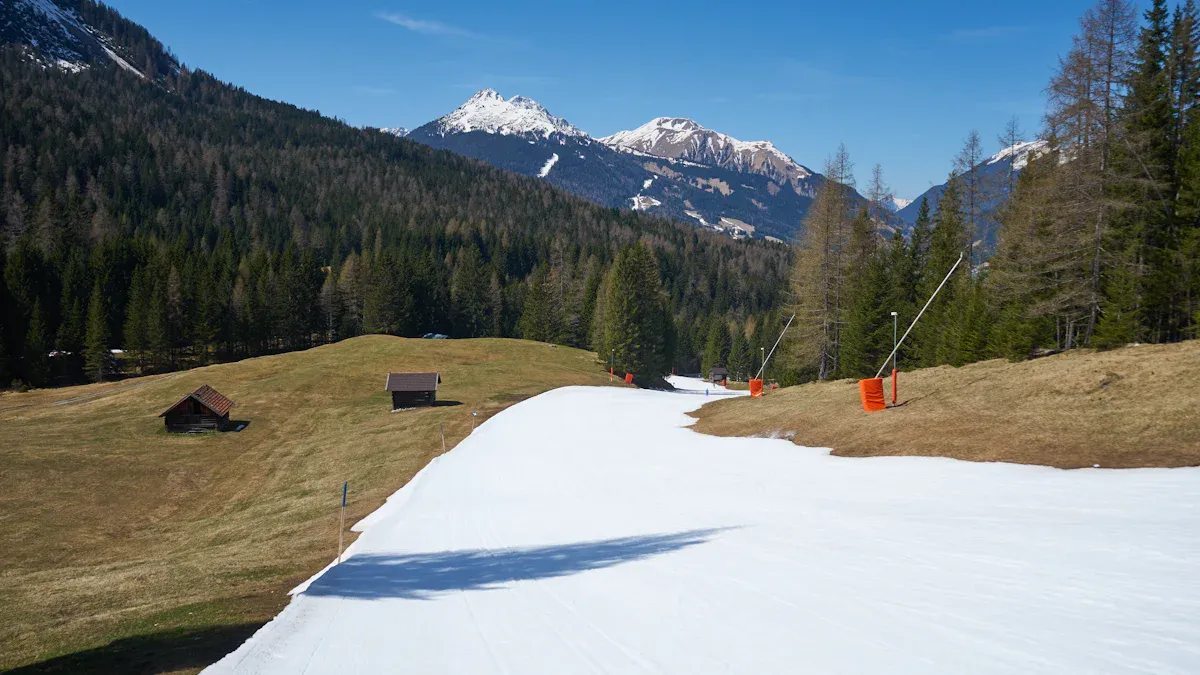
When you step onto the slopes, you want to feel in control. The grip you get from snow feels natural. Your skis bite into the surface, giving you confidence with every turn. You notice how snow lets you glide smoothly, especially on fresh powder. Synthetic ski grass vs snow shows a big difference here. Synthetic ski grass gives you a strong grip, but it can feel sticky. You might find your skis catch more often on synthetic ski grass. This can slow you down and make quick turns harder. If you love fast skiing, snow gives you better slide and flow. You feel the difference right away. Synthetic ski grass vs snow makes you think about your technique. You need to adjust your movements on synthetic ski grass to keep your balance. Snow lets you move more freely. You can trust the grip and enjoy the ride.
Tip: If you want to improve your control, practice on both surfaces. You will learn how grip changes your skiing style.
You want smoother pistes when you ski. Snow feels soft and even under your skis. You glide over natural snow and enjoy the gentle bumps. Synthetic ski grass vs snow highlights how surface texture matters. Synthetic ski grass feels rougher. You notice the difference as soon as you start skiing. The synthetic surface can make your skis vibrate. This can tire your legs faster. Snow cushions your movements. You feel less strain on your joints. Synthetic ski grass vs snow also affects your equipment. Synthetic ski grass can wear down your skis more quickly. You need to check your gear often. Snow keeps your skis in better shape. You feel the difference in every run. If you want a smoother ride, snow is the clear winner.
Surface Type | Smoothness Level | Impact on Skis | Joint Comfort |
|---|---|---|---|
Snow | High | Low Wear | Soft |
Synthetic Ski Grass | Medium | High Wear | Firm |
You want to feel safe when you fall. Snow gives you a soft landing. You slide and get up easily. Synthetic ski grass vs snow makes you think about comfort. Synthetic ski grass feels harder. You might get scrapes or bruises if you fall. The surface can be abrasive. You feel the difference in your skin and joints. Snow absorbs impact. You recover faster after a fall. Synthetic ski grass vs snow also changes your confidence. You may ski more carefully on synthetic ski grass. Snow lets you take more risks. You enjoy skiing more when you feel safe. If you want comfort, snow is the better choice.
Note: Always wear protective gear on synthetic ski grass. You will reduce the risk of injury and enjoy skiing more.
You feel the difference every time you ski. Synthetic ski grass vs snow gives you new challenges. Snow offers comfort, smoothness, and better grip. Synthetic ski grass helps you practice, but snow makes skiing more enjoyable.
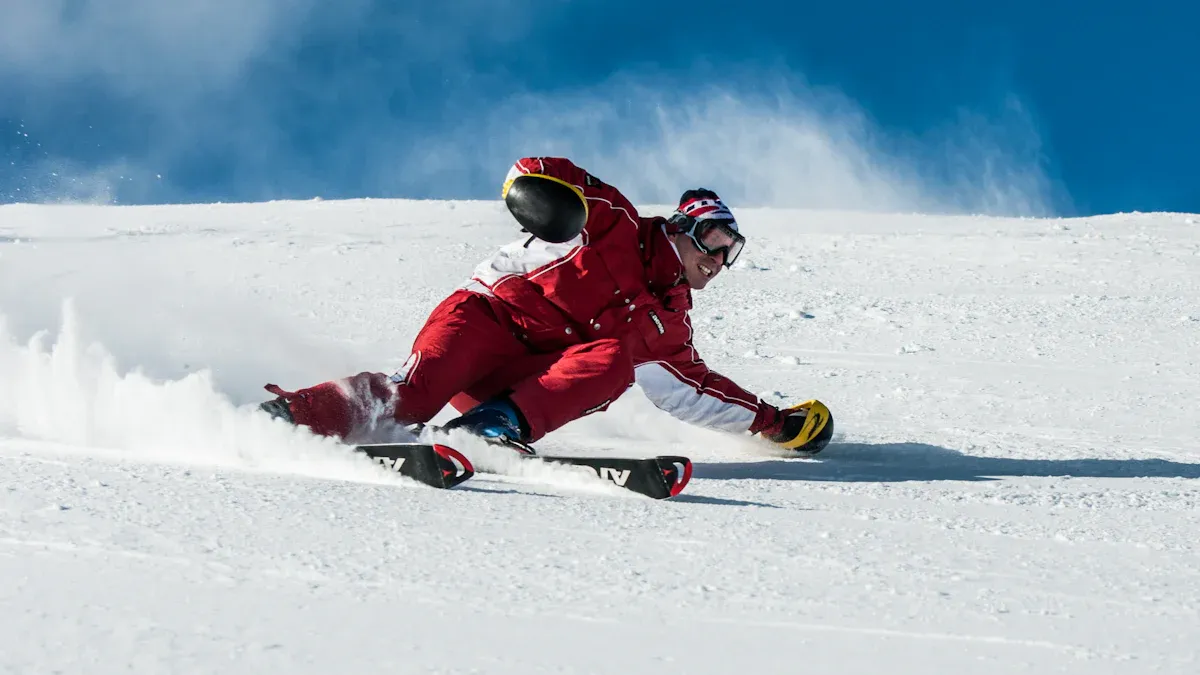
You want to go fast and feel in control. On snow, your skis move smoothly. Snow skiing feels quick and natural. Turning is easy on snow. Dry slope skiing feels different. Artificial snow slows you down. You have to push harder to go fast. The surface is not as slippery as snow. You might lose speed more often. Many skiers say artificial snow is harder to control. You need to change your stance and balance. Dry slope skiing takes more effort to stay steady. You learn to react faster. Snow skiing lets you relax and enjoy.
You need to change how you ski on each surface. Artificial snow makes turning harder. You must use more force to turn. Ski instructors say artificial snow feels hard. You need to focus on your balance. Dry slope skiing helps you build strong skills. You learn to stay upright and react quickly. Snow skiing rewards smooth moves. You can carve and glide with less effort. Artificial snow makes you work on your technique. You get better by practicing on both surfaces.
Ski instructors say:
Artificial snow needs better balance.
Turning is harder on artificial snow.
Beginners learn balance faster on artificial snow.
Artificial snow can be rough when you fall.
You want a surface you can trust. Artificial snow gives you the same glide every time. Dry slope skiing offers steady traction and speed. You know what will happen on each run. Snow skiing changes with the weather. Natural snow can be soft or icy. Artificial snow stays the same. You can repeat drills and get better. Dry slope skiing helps you learn faster. You build confidence each time you ski. Snow skiing gives you new experiences, but artificial snow helps you improve.
Surface Type | Consistency | Predictability | Skill Development |
|---|---|---|---|
Artificial Snow | High | High | Strong |
Snow | Variable | Variable | Fun |
Tip: Practice on artificial snow to learn basic skills. Try snow skiing for more fun and new challenges.
You get more control and skill by using both dry slope skiing and snow skiing. Artificial snow helps you learn quickly. Snow skiing gives you freedom and fun. Try both to become a confident skier.
You step onto the slopes and feel the excitement. Snow creates a magical setting. You see snow-covered slopes and breathe in crisp air. Natural snow makes the mountains sparkle. You notice how the scenery lifts your mood. Synthetic ski grass gives you a different vibe. You ski near the city and enjoy easy access. The atmosphere feels less wild. You miss the peaceful sounds of snow. You want enjoyable skiing conditions, and snow delivers that. You feel part of nature when you ski on natural snow. The environment shapes your experience every time you visit the slopes.
Tip: Choose snow if you want a breathtaking view and a true mountain adventure.
You want skiing to be fun and exciting. Snow lets you try new tricks and glide fast. You race down the slopes and feel the thrill. Synthetic ski grass offers a unique experience. You practice skills and improve quickly. The challenge feels different. Snow gives you soft landings and lets you take risks. You push yourself harder on snow. Synthetic ski grass makes you focus on technique. You learn control and balance. Both surfaces test your skills, but snow brings more fun. You enjoy the challenge and the freedom snow provides.
Surface | Fun Level | Challenge | Risk |
|---|---|---|---|
Snow | High | Medium | Low |
Synthetic Grass | Medium | High | Medium |
You love sharing skiing with friends. Snow brings people together. You meet other skiers on the slopes and swap stories. You join group lessons and make new friends. The social scene feels lively on snow. Synthetic ski grass also offers a friendly atmosphere. You connect with local skiers and train together. The experience feels more casual. You build a community on both surfaces. Snow creates lasting memories. You laugh, learn, and celebrate with others. The slopes become a place for friendship and fun.
Note: Invite your friends to try both surfaces. You will discover new ways to enjoy skiing together.
You want to enjoy skiing whenever you feel like it. Natural snow can be hard to find, especially if you live far from the mountains. Many ski resorts only open during the winter months. If you want to ski year-round, you need an accessible alternative. Synthetic ski grass gives you that option. You can find more than 1,000 dry slopes in 50 countries. These slopes let you practice skiing close to home. You do not have to wait for the right weather or travel long distances. Accessibility improves when you have more choices. You can ski more often and keep your skills sharp all year-round.
You want to learn skiing quickly and safely. Natural snow feels soft and forgiving. It helps you build confidence as you try new moves. Synthetic ski grass feels different. The surface is firmer, so you need to adjust your balance. You may find it harder at first, but you will develop strong technique. Many beginners start on dry slopes because they are open year-round. You can practice as much as you want. When you switch to natural snow, you will notice your skills improve. Both surfaces help you grow as a skier, but synthetic ski grass offers a steady place to learn.
You want to save money and protect the environment. Natural snow requires a lot of work to maintain. Resorts use snowmaking machines to keep the slopes ready. Snowmaking is a very energy-intensive fix. It uses a lot of power and water. The ski industry faces climate challenges, so many resorts rely on artificial snow as temperatures rise. This process adds to greenhouse gas emissions. Some resorts even harvest snow from glaciers or use helicopters to move snow, which increases their carbon footprint. Recent improvements in snowmaking technology have made it about 25% more efficient, but the impact remains. Synthetic ski grass needs less maintenance. You do not need to worry about weather or snowmaking. This makes it a more accessible alternative for many people. You spend less on travel and equipment repairs. You also help reduce the impact on the environment.
Tip: Choose synthetic ski grass if you want to ski year-round, save money, and support a greener future.
You will probably like snow more because it feels softer. Snow gives you a smoother ride and a gentle landing. Most skiers pick snow since falling is safer. Natural bumps are not as dangerous on snow. Synthetic ski grass, such as Neveplast, can be slippery when wet. But falling on it hurts more. If you are just starting, use shorter and softer skis. These skis help you control your turns better. Skiers with more skill need longer and stiffer skis. These skis help you stay steady and go faster. Try both surfaces to see which one you enjoy most.
Skill Level | Ski Characteristics |
|---|---|
Beginner | Shorter, narrower, and softer skis for easier maneuverability and control. |
Intermediate | Longer, wider, and stiffer skis for stability at speed and on steeper runs. |
Expert | Stiffer, wider, and longer skis for increased stability and speed, suitable for varied terrain. |
Tell your friends about your skiing experience. You can help them find the best way to ski!
You can learn safely on synthetic ski grass. Wear protective gear to avoid scrapes. The surface helps you build balance and control. Many ski schools use dry slopes for training. You will gain confidence before trying snow.
Synthetic ski grass can wear your skis faster than snow. You should check your equipment often. Wax your skis regularly to protect them. If you want to save money, use older skis for practice.
Surface Type | Ski Wear Rate |
|---|---|
Snow | Low |
Synthetic Ski Grass | High |
You can ski any time on synthetic ski grass. Dry slopes stay open in every season. You do not need to wait for winter. Practice all year and improve your skills faster.
Tip: Visit your local dry slope to keep skiing even in summer!
You will find snow better for learning tricks. Snow cushions your falls and lets you try new moves safely. Synthetic ski grass feels harder. You should start with basic skills on dry slopes, then move to snow for advanced tricks.


