WhatsApp

close
Choose Your Site
Global
Social Media
Author: Site Editor Publish Time: 2025-12-31 Origin: Site


How Synthetic Artificial Grass Is Redefining Outdoor and Indoor Greening Solutions
In an era of accelerating urbanization and shrinking natural green resources, synthetic artificial grass has become a strategic solution for both outdoor and indoor greening projects. Unlike natural grass, which depends heavily on climate soil quality and continuous maintenance, synthetic artificial grass delivers consistent aesthetics durability and environmental adaptability across a wide range of applications. As cities and commercial spaces pursue sustainable and controllable greenery solutions synthetic artificial grass is fundamentally reshaping how green spaces are designed and maintained.
Outdoor landscapes have experienced a significant shift with the adoption of synthetic artificial grass. In dense urban environments natural grass often fails due to pollution high foot traffic and limited soil depth. Synthetic artificial grass overcomes these limitations and has become a preferred choice for public parks residential developments commercial plazas and sports facilities.
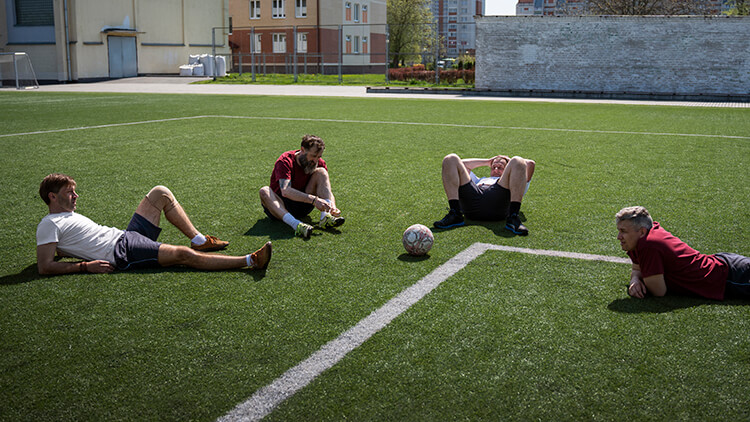
For sports fields and recreational areas synthetic artificial grass provides a stable and uniform surface that performs reliably in extreme weather conditions including heat frost and heavy rainfall. Unlike natural grass it does not require watering mowing or fertilization which substantially reduces long term operational costs and resource consumption. This makes synthetic artificial grass particularly suitable for municipalities schools and private operators managing high usage outdoor spaces.
In regions with arid climates or poor soil conditions synthetic artificial grass enables outdoor greening where natural turf cannot survive. It enhances urban aesthetics improves the local microclimate and creates accessible green environments that contribute to overall city livability.
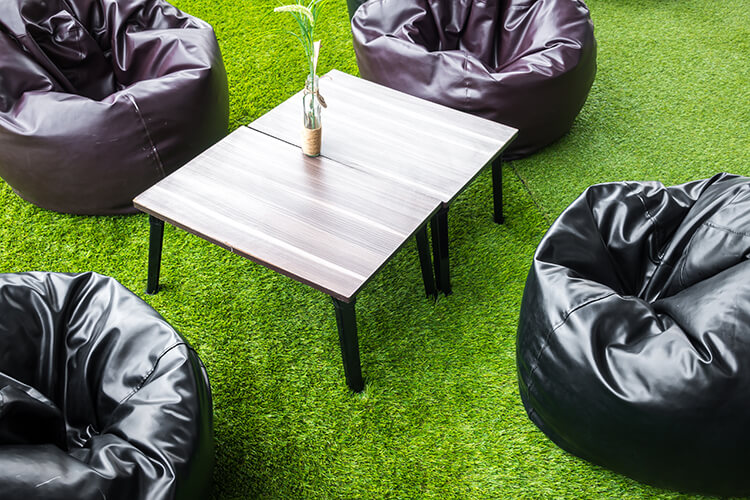
Indoor greening has traditionally been limited by insufficient light and complex plant maintenance requirements. Synthetic artificial grass has transformed this scenario by offering a reliable low maintenance alternative for interior green design.
Shopping malls office buildings hotels exhibition halls and residential interiors increasingly integrate synthetic artificial grass into floors walls vertical gardens and decorative zones. Unlike living plants synthetic artificial grass maintains a consistent appearance without reliance on sunlight irrigation or climate control systems.
In commercial and office environments synthetic artificial grass contributes to improved spatial comfort and psychological well being by introducing natural visual elements into enclosed spaces. For retail and hospitality projects it creates distinctive immersive environments that enhance customer experience and brand perception. In locations such as basements corridors and windowless interiors synthetic artificial grass provides a practical solution to introduce greenery where natural options are not viable.
Beyond aesthetics and functionality synthetic artificial grass supports sustainable greening strategies. One of its most significant benefits is water conservation. Unlike natural lawns synthetic artificial grass requires no irrigation which is critical in water stressed regions.
Additionally the elimination of fertilizers pesticides and herbicides reduces chemical runoff and soil contamination supporting healthier surrounding ecosystems. Advances in manufacturing technology have also enabled the production of synthetic artificial grass using recyclable and low impact materials improving its overall environmental profile.
While lifecycle sustainability depends on product quality and proper installation modern synthetic artificial grass is increasingly aligned with green building standards and long term environmental planning.
Synthetic artificial grass has expanded the boundaries of where and how green spaces can exist. Its adaptability durability and low maintenance requirements make it an essential solution for modern urban design commercial development and infrastructure projects.
As cities continue to prioritize sustainability efficient land use and improved quality of life synthetic artificial grass will play a growing role in both outdoor landscapes and indoor environments. By removing the limitations associated with natural grass synthetic artificial grass enables consistent long term greening solutions that support the development of greener more resilient urban spaces.