
WhatsApp

close
Choose Your Site
Global
Social Media
Author: Site Editor Publish Time: 2026-06-03 Origin: Site


Replacing a natural lawn requires significant effort upfront. You face substantial risk if you purchase the wrong synthetic product. Make a rushed choice, and you will likely encounter disaster. You might experience premature flattening within months. Poor drainage can create stagnant pools of foul water. Some cheap turfs possess an embarrassingly shiny plastic look. We approach turf selection as a precise technical buying framework. You must look beyond simple aesthetics. Instead, you need to evaluate core materials thoroughly. You must inspect manufacturing specifications closely. You should also utilize smart sourcing methods. Doing so guarantees a highly durable, visually stunning installation. In this comprehensive guide, you will learn exactly how to match specific turf parameters to your daily garden usage. We will explore setups for lively pets. We will discuss pristine visual aesthetics. We will also tackle relentless heavy foot traffic. You will gain the vital confidence needed to buy the exact right product.
Usage Dictates Material: Polyethylene (PE) offers the most realistic look, while Nylon provides maximum resilience for high-traffic zones.
Specs Over Aesthetics: Face weight (density) and backing material (PU vs. Latex) are better indicators of longevity than pile height alone.
Drainage is Non-Negotiable: A 100% permeable backing is required for gardens with pets or heavy rainfall.
Strategic Sourcing: Buying bulk artificial grass rolls direct from an artificial grass manufacturer significantly reduces costs for large garden projects compared to big-box retail.
Many buyers seek a single universal product. This generalized approach usually fails. You must evaluate your specific landscape criteria instead. Every single yard possesses uniquely challenging demands. We categorize these specific demands below. This framework helps you navigate your extensive options effectively.
A bustling family garden experiences severe daily abuse. Children run, jump, and play extensively across the yard. Outdoor furniture gets dragged across the surface constantly. This harsh environment requires a high face weight. You also need fast-recovery fibers. Advanced C-shaped or W-shaped fiber profiles spring back immediately after compression. They prevent ugly matting over time. Conversely, an ornamental front lawn serves a completely different purpose. It acts primarily as a visual showpiece. Front yards rarely see heavy footfalls. For these decorative areas, you should prioritize high pile height. Visual realism matters most here. You want thick, luxurious blades mimicking natural fescue or bluegrass.
Dogs introduce highly unique challenges for synthetic turf. Liquid waste creates severe, lingering odor problems if handled improperly. You must choose a product featuring a purposefully short pile height. Shorter fibers make solid waste removal much easier. They also trap less organic debris over time. Furthermore, you need specialized non-absorbent infill. Standard infills trap ammonia rapidly, baking in the sun. This creates an unbearable stench during summer months. Finally, select a maximum-drainage backing system. A 100 percent permeable backing prevents foul odor buildup effectively. It allows urine to pass directly into the sub-base immediately.
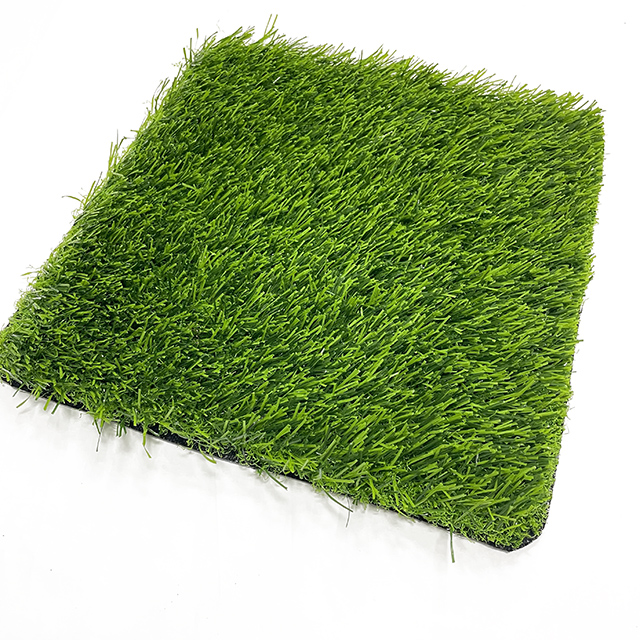
You must understand the distinct plastics used in the manufacturing process. Factories rely on three primary polymer materials. Each plastic offers specific durability profiles. They also present unique aesthetic trade-offs. We break down the objective pros and cons below. This ensures you avoid highly frustrating material mismatches.
Most modern residential landscape projects utilize polyethylene. Manufacturers extrude PE pellets into highly durable yarn. It delivers the absolute best balance of softness. It also provides an incredibly realistic appearance. The individual fibers feel gentle under bare feet. It produces very low friction during falls or slides. We highly recommend PE for active families.
Pros: It offers a highly realistic look. The texture remains exceptionally soft. It generates minimal friction against exposed skin.
Cons: It can flatten under extreme, constant weight. You must use proper infill levels to support the individual blades.
Polypropylene appeals strictly to highly price-conscious buyers. It feels very flexible. It also weighs significantly less than other plastics. You should only use it for small decorative patches. It works fine for indoor displays or low-traffic balconies.
Pros: It is highly flexible. It costs less than any other turf material available today.
Cons: It features the absolute lowest melting point among turf plastics. It degrades quickly under harsh ultraviolet radiation. It also suffers from terrible fiber memory. The plastic strands crush very easily underfoot.
Nylon stands unequivocally as the strongest synthetic option available. It acts as a heavy-duty shock absorber. It withstands intense friction effortlessly. It also bears heavy machinery without permanent damage. Commercial sporting environments often rely on it exclusively.
Pros: It delivers unmatched durability. It boasts superior shape retention capabilities. It withstands extreme heat safely without melting.
Cons: It presents a notably abrasive texture. You rarely see Nylon used for entire residential lawns due to its stiff nature. It also costs significantly more than PE. Sometimes it looks unnaturally stiff in residential settings.
You need specialized technical vocabulary to vet suppliers effectively. Knowing these exact terms prevents you from buying inferior products. We will explore the critical metrics determining true longevity. Do not rely on color alone. Look closely at the exact manufacturing specifications.
Face weight measures the actual density of the turf product. Industry standards define this metric in ounces per square yard. It calculates the weight of the fibers alone. It ignores the backing weight entirely. Heavy face weight provides a plush, luxurious feeling underfoot. It acts as a dense cushion. We recommend 50 to 70 ounces for standard residential gardens. If your yard experiences incredibly heavy traffic, choose 70 ounces or higher.
Pile height measures the exact length of the individual grass blades. Many buyers mistakenly assume taller always means better. We strongly advise against excessive pile heights. Anything over 38 millimeters (1.5 inches) creates massive maintenance headaches in functional gardens. Tall fibers flop over easily under gravity. They require constant, exhausting brushing to remain upright.
The hidden backing holds the entire turf system together. You have two primary choices available here. We strongly recommend Polyurethane (PU) backing for demanding geographical areas. PU locks the individual grass blades tightly into place. This prevents tuft bind failure, where dogs or children pull fibers out. If your region experiences extreme temperature shifts, PU is mandatory. Pet owners must also exclusively choose PU. It simply does not absorb moisture. Furthermore, it will never expand, contract, or crumble over time.
Latex serves as an acceptable, alternative option for specific scenarios. However, you should strictly limit its overall use. Only install latex-backed products in mild, stable climates. They perform adequately in low-moisture environments without pets.
Specification Category | Recommended Range / Type | Best Use Case Scenario |
|---|---|---|
Face Weight (Density) | 50 oz – 70 oz | Standard residential gardens with moderate activity. |
Face Weight (Density) | 70+ oz | High-traffic areas or active sports zones. |
Pile Height | Under 38mm (1.5 inches) | Active family yards and dedicated pet areas. |
Backing Material | Polyurethane (PU) | Extreme climates, heavy rain zones, and pet owners. |
Backing Material | Latex | Mild climates with consistently low moisture. |
Project scale should absolutely dictate your chosen procurement strategy. Buying smartly keeps your landscape renovation budget strictly intact. You can source materials from various avenues. We break down the most effective methods below.
Big-box retail stores offer immediate, same-day product availability. They work brilliantly for small backyard patios. They also suit simple dog runs perfectly. You might also choose retail for minor DIY projects. If your installation covers under 500 square feet, retail makes sense. In these highly limited scenarios, convenience outweighs the premium markup. You simply load the precut sections up and go. However, retail rolls often come in restrictive 15-foot widths. This forces you to glue multiple sections together awkwardly.
Large whole-yard renovations strictly require a different purchasing approach. You achieve massive advantage by buying direct. Purchasing from an established artificial grass manufacturer cuts material rates significantly. Specialized wholesale distributors also offer excellent bulk quantities. Skipping the traditional retail middleman slashes your overall materials bill drastically.
Additionally, large-scale suppliers provide custom bulk artificial grass rolls. Professional installers always prefer massive, uncut rolls. Continuous rolls offer a massive structural advantage for any project. You will have far fewer seams during the final installation. Fewer seams directly lower your severe risk of weed penetration. Seams are naturally the weakest point of any synthetic lawn. Minimizing them also prevents frustrating long-term structural failures. Seamless layouts simply look much more professional.
Even the highest-rated products fail if installed incorrectly. We want to highlight common post-purchase disasters upfront. You can easily avoid these pitfalls by following industry best practices.
Your expensive turf acts merely as a decorative surface cover. The hidden sub-base actually does all the heavy lifting. We warn ambitious buyers constantly about this specific trap. Premium turf will fail completely without a properly compacted, graded sub-base. Soil shifts constantly during intense rainstorms. You must use crushed rock or decomposed granite instead. You cannot simply lay turf directly over native topsoil. A solid crushed-rock foundation ensures proper, rapid water runoff. It stops ugly, dangerous sinkholes from forming across your yard. It stabilizes the entire landscape ecosystem perfectly.
Synthetic plastic materials naturally absorb intense solar radiation. Darker green blades absorb more light energy. You must address the physical reality of hot artificial grass. It gets notably warm in direct summer sun. Proper infill selection plays a truly crucial role here.
Do not use standard black crumb rubber for residential gardens. It absorbs too much ambient heat. Instead, we highly recommend rounded, high-quality silica sand. You can also explore specialized ceramic cooling infills. These advanced infills lower surface temperatures significantly. They reflect ultraviolet rays efficiently. They make the grass much more comfortable for bare feet during peak afternoon hours.
We confidently state that the best artificial grass for gardens sits at the precise intersection of several key factors. You need highly realistic PE fibers. You require incredibly durable PU backing. You also desperately need the proper face weight for your anticipated foot traffic. Do not compromise on these three core elements.
Follow these actionable next steps to finalize your project:
Request physical material samples from at least three different specialized suppliers.
Test these samples carefully for fiber memory. Perform a manual crush and release test by stepping on them forcefully.
Inspect the backing quality meticulously. Ensure it feels rigid and heavy before committing to a final purchase.
Verify the drainage specifications match your local climate requirements.
Take your time during the crucial evaluation phase. Smart, patient preparation guarantees a flawless, enduring landscape that you will enjoy for decades.
A: A high-quality synthetic lawn typically lasts between 10 and 15 years. This realistic lifespan depends heavily on proper UV stabilization applied during manufacturing. Thorough base preparation also extends its longevity significantly. Regular, light maintenance keeps the fibers performing optimally over the entire decade. Brushing the turf quarterly prevents premature matting.
A: No, premium, well-installed artificial lawn landscaping generally boosts curb appeal. Many modern buyers actively seek out attractive, low-maintenance exterior features. However, choosing cheap materials will definitely harm your property value. Poorly seamed turf also detracts heavily from the overall aesthetic. Installation quality remains the absolute deciding factor for home valuations.
A: Yes, it often drains much faster than natural soil. This strictly depends on the backing system utilized. Hole-punched backings drain water at a moderate, steady rate. Fully permeable PU backings allow rapid, uniform drainage across the entire surface. Proper crushed-rock sub-base preparation ensures water flows away from the surface instantly.


