
WhatsApp

close
Choose Your Site
Global
Social Media


Tired of muddy paws, bad smells, and damaged lawns from pets? Many pet owners struggle to keep their outdoor spaces clean and usable. That’s why synthetic turf has become a popular solution for pet-friendly yards. In this article, you will learn how to choose, install, and maintain the best synthetic turf for pets.
Natural grass may seem like the obvious choice for pet owners, but it often creates more problems than it solves. One of the biggest frustrations is how quickly lawns turn into muddy messes, especially after rain or frequent pet use. Dogs running, digging, and playing can easily tear up the surface, leaving behind uneven patches and exposed soil.
Another common issue is discoloration and odor caused by pet urine. Unlike synthetic surfaces, natural grass absorbs waste, leading to yellow spots and lingering smells that are difficult to eliminate. Over time, this not only affects the appearance of your yard but also creates an unhygienic environment.
Maintenance is another major drawback. Keeping a natural lawn in good condition requires constant watering, mowing, fertilizing, and pest control. Many of these treatments involve chemicals that may pose risks to pets, while still failing to prevent wear and tear caused by daily activity.
Synthetic turf offers a practical alternative designed specifically to handle the challenges of pet ownership. Its surface remains clean and mud-free year-round, which means pets won’t track dirt into the house after playing outside. Waste is also easier to manage, as solid debris stays on top and liquids drain efficiently through the backing system .
In addition to cleanliness, synthetic turf maintains a consistent appearance. It does not develop brown patches from urine or heavy use, making it ideal for households that want a durable and visually appealing yard. Many modern products are also engineered with antimicrobial properties, helping reduce bacteria buildup and odors.
From a health perspective, synthetic turf minimizes exposure to common outdoor irritants. It does not harbor pests like fleas or ticks as easily as natural grass and eliminates the need for chemical fertilizers or pesticides. Most importantly, high-quality turf is made from non-toxic, pet-safe materials and designed with a comfortable, cushioned surface that supports active play without harming sensitive paws.
Feature | Natural Grass | Synthetic Turf for Pets |
Cleanliness | Muddy, uneven in wet weather | Clean, mud-free surface |
Durability | Easily damaged by pets | Resistant to digging and wear |
Maintenance | High (watering, mowing, etc.) | Low and simple upkeep |
Odor Control | Absorbs waste and smells | Efficient drainage reduces odor |
Pet Safety | May require chemicals | Non-toxic and hypoallergenic |
Choosing the right synthetic turf for pets starts with understanding the performance features that directly impact hygiene, durability, and long-term usability. Among these, drainage is the most critical. Pet turf is specifically engineered with permeable backing systems that allow liquids to pass through quickly, preventing pooling and minimizing odor buildup. High-quality options can handle heavy and repeated use without retaining moisture, which is essential for maintaining a clean environment.
Another key factor is antimicrobial protection. Some turf systems integrate antimicrobial technology directly into the fibers or infill, helping inhibit the growth of bacteria, mold, and mildew. This is especially important in pet areas where waste is frequent, as it contributes to both hygiene and odor control over time.
Durability is equally important. Pets naturally scratch, run, and dig, so the turf must be able to withstand consistent physical stress. Products with higher face weight and strong backing structures tend to perform better under these conditions, maintaining their shape and integrity even in high-traffic zones.
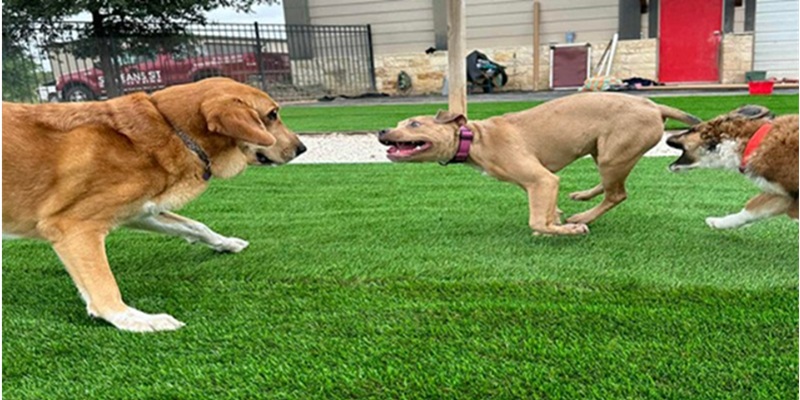
Beyond core features, the physical design of synthetic turf plays a major role in how well it performs for pet use. One of the most important elements is pile height. Shorter grass blades—typically around 1 to 1.5 inches—are easier to clean and less likely to flatten under repeated use. This design also allows solid waste to remain on the surface for quick removal, improving overall sanitation.
Fiber density and strength must be carefully balanced. Turf that is too soft may flatten quickly, while overly stiff fibers can reduce comfort for pets. A well-designed product combines resilience with a natural feel, ensuring both durability and usability.
Heat management is another consideration that is often overlooked. Since synthetic turf is made from synthetic materials, it can retain heat under direct sunlight. Many modern options include UV inhibitors and heat-reflective technologies to reduce surface temperatures, making the turf more comfortable for pets during warmer months.
While all artificial grass shares similar visual characteristics, pet-specific turf is designed with functional differences that make it more suitable for animal use. The most noticeable distinction lies in drainage and structure. Pet turf typically features more advanced perforation or fully permeable backing, allowing significantly faster liquid flow compared to standard landscape turf.
Feature | Pet Turf | Regular Synthetic Turf |
Drainage Capacity | High-performance, fast-draining | Moderate, designed for rainfall |
Pile Height | Shorter for easy cleaning | Varies, often longer |
Durability | Built for heavy pet activity | Designed for light foot traffic |
Odor Control | Supports antimicrobial systems | Limited odor management |
Primary Use | Pet areas, dog runs | General landscaping |
In high-use environments—such as homes with multiple pets or designated dog runs—pet turf offers clear advantages. Its specialized construction ensures better hygiene, easier maintenance, and longer lifespan under demanding conditions, making it a more reliable choice for pet-focused spaces.
The performance of synthetic turf for pets depends heavily on how well it is installed. Even the highest-quality turf can fail if the underlying system is not properly prepared. One of the most critical factors is drainage. Without an effective base layer, liquids from pet urine can accumulate beneath the surface, leading to persistent odors and bacterial growth over time. Proper installation ensures that liquids move quickly through the turf and into the ground or drainage system below, maintaining a clean and hygienic surface.
In addition to hygiene, installation directly impacts durability. A poorly compacted base or unsecured edges can cause the turf to shift, wrinkle, or lift—especially in areas where pets frequently run or dig. Over time, this not only reduces the lifespan of the turf but also creates uneven surfaces that may affect usability and safety.
A successful pet turf installation is built as a complete system rather than just a surface layer. Each component plays a specific role in maintaining performance and cleanliness:
● Drainage base layer: Typically made from crushed stone or specialized drainage panels, this layer creates space for liquids to flow away efficiently. It also provides a stable foundation that prevents sinking or unevenness.
● Antimicrobial infill: Materials such as treated sand or mineral infill help neutralize ammonia from pet urine while reducing bacterial growth. This is essential for keeping odors under control in high-use areas.
● Secure edging system: Proper edge restraints prevent pets from pulling up or digging into the turf perimeter. This is particularly important for active dogs that tend to scratch or explore boundaries.
These elements work together to create a durable, odor-resistant environment that can handle daily pet activity without compromising cleanliness.
One of the advantages of synthetic turf is its versatility, allowing it to be installed in areas where natural grass would struggle to survive. The following table highlights common application areas and their specific benefits:
Installation Area | Key Advantages for Pets |
Backyard dog runs | Durable surface for high activity and play |
Designated potty zones | Easy cleaning and odor control |
Patios and decks | Adds comfort without requiring soil |
Balconies | Lightweight solution for small spaces |
Indoor pet areas | Clean, soft surface for year-round use |
Maintaining synthetic turf for pets is relatively simple, but consistency is key to keeping the surface clean and hygienic. Unlike natural grass, pet turf does not absorb waste, which makes routine care more efficient. Solid waste should be removed promptly to prevent residue buildup, while periodic rinsing helps flush away any remaining particles.
A basic cleaning routine typically involves using a garden hose to rinse the area several times a week, especially in zones where pets frequently urinate. This prevents liquids from settling beneath the surface and supports the turf’s drainage system. Occasional brushing can also help maintain the upright position of the fibers, ensuring the turf remains visually appealing and evenly distributed.
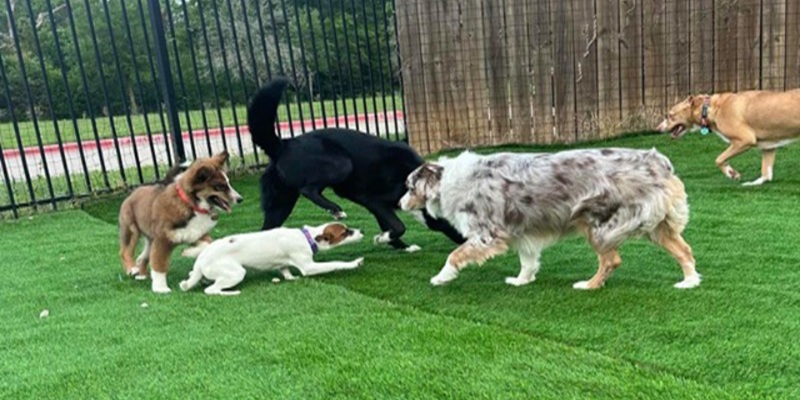
Effective odor control relies on both proper turf design and regular maintenance. High-quality synthetic turf systems are built with permeable backing that allows urine to pass through quickly, reducing the risk of trapped moisture. However, even with efficient drainage, some residue can accumulate over time if not properly managed.
To maintain freshness, many pet owners use turf-safe cleaning solutions or enzyme-based deodorizers. These products are designed to break down organic waste at a molecular level, helping eliminate odors rather than masking them. Incorporating antimicrobial infill into the turf system can further reduce bacterial growth, creating a more sanitary environment for pets.
● Rinse high-use areas more frequently to prevent buildup
● Apply pet-friendly cleaners periodically for deeper sanitation
● Ensure drainage remains unobstructed for optimal performance
While synthetic turf is low-maintenance, certain environmental factors can still affect its performance. The most common concerns include heat buildup and occasional odor development, both of which can be managed with simple adjustments.
Issue | Cause | Practical Solution |
Heat retention | Direct sunlight on synthetic fibers | Rinse with water or add shade structures |
Odor buildup | Infrequent cleaning or poor drainage | Increase rinsing and use deodorizing agents |
Flattened fibers | Heavy foot or pet traffic | Brush turf to restore structure |
In warmer climates, synthetic turf can become noticeably warm during peak sunlight hours. A quick rinse with water can significantly reduce surface temperature, while adding shade elements such as trees or awnings improves comfort for pets. Odor issues, on the other hand, are typically the result of inconsistent cleaning routines. Increasing the frequency of rinsing and using appropriate cleaning products can quickly restore freshness and maintain a pleasant outdoor environment.
Synthetic turf for pets offers a clean, durable, and safe solution for modern homes. Choosing the right product and proper installation ensures better hygiene and long-term use. Pet owners should consider their space and pet habits before deciding. Qingdao XiHY Artificial Grass Company provides high-quality turf designed for comfort, easy maintenance, and lasting performance.
A: Yes. Synthetic turf handles repeated pet activity well when it has strong backing, short pile, and good drainage.
A: Synthetic turf reduces odor when paired with fast-draining backing and routine rinsing to remove urine residue.
A: Pet-focused synthetic turf usually offers better drainage, easier cleaning, and stronger resistance to scratching and wear.
A: Buyers should confirm synthetic turf drainage rate, infill type, edge fixing, and base design for the intended pet load.


