
WhatsApp

close
Choose Your Site
Global
Social Media
Author: Site Editor Publish Time: 2025-11-07 Origin: Site


Are you considering artificial turf for your indoor sports facility? Choosing the right type can significantly impact performance and safety. In this article, we’ll explore what artificial turf is, its history, and why selecting the best option is crucial for your needs.
Artificial turf is a synthetic surface designed to mimic natural grass. It’s widely used in indoor sports for various reasons. This turf provides a consistent playing surface, reducing the risk of injuries associated with uneven ground.
The primary purpose of artificial turf in indoor sports is to enhance performance. It allows for year-round play, regardless of weather conditions. Athletes can train and compete on a reliable surface, which can improve their skills and reduce downtime due to poor outdoor conditions.
Artificial turf has come a long way since its inception in the 1960s. Initially developed for outdoor sports, it gained popularity for indoor use as technology advanced. The first major installation was at the Astrodome in Houston, Texas, which opened in 1965. Since then, innovations have led to improved materials and designs, making it safer and more functional for athletes.
Year | Milestone |
1965 | First major use of artificial turf at Astrodome |
1970s | Development of improved turf materials |
2000s | Introduction of advanced shock-absorbing technologies |
Choosing the right artificial turf is crucial for several reasons.
The right turf can significantly affect athletes' performance. High-quality turf provides better traction, reducing the risk of slips and falls. Moreover, it offers cushioning that can help prevent injuries, especially during high-impact sports. For instance, turf with appropriate shock absorption can reduce stress on joints, which is vital for athletes.
Investing in artificial turf can be cost-effective in the long run. While the initial installation cost may be high, the reduced maintenance and water usage can lead to savings. Unlike natural grass, artificial turf doesn’t require mowing, fertilizing, or regular watering.
Maintenance Aspect | Artificial Turf | Natural Grass |
Watering | None | Weekly |
Mowing | None | Weekly |
Fertilizing | None | Seasonal |
Lifespan | 8-15 years | 1-3 years |
In summary, understanding what artificial turf is and its benefits can help you make informed decisions for your indoor sports facility. The right choice will enhance athlete performance while being mindful of costs and maintenance.
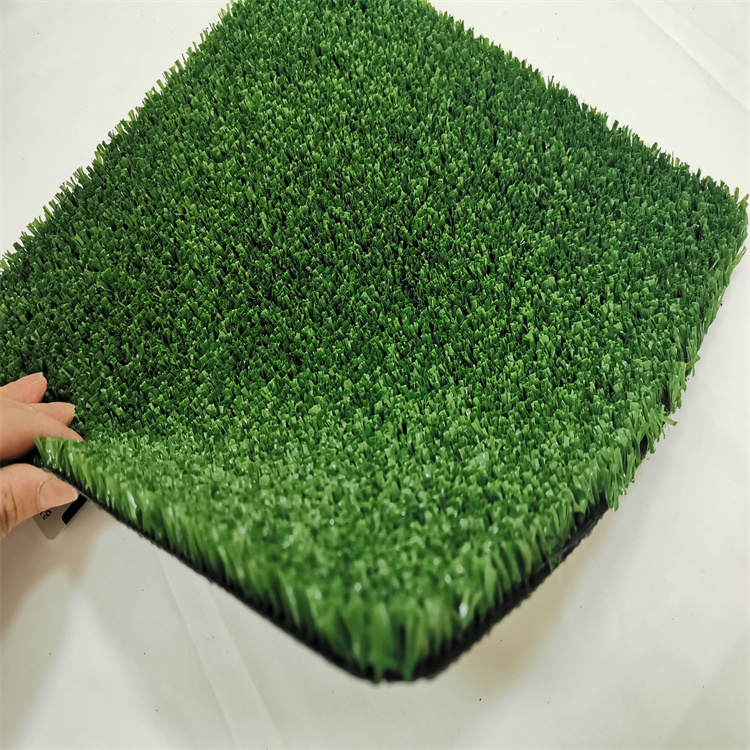
Friction plays a crucial role in preventing injuries during sports. A suitable friction coefficient helps athletes maintain their footing. For indoor sports, the recommended range is between 0.6 and 0.8. Some manufacturers apply special treatments to grass fibers, enhancing grip and reducing the risk of slips.
Artificial turf can significantly reduce joint impact, which is vital for athlete safety. Ideal shock absorption rates fall between 18% and 25%. Quick elastic recovery is also important; it should ideally occur within 1 to 2 seconds to provide immediate support during play.
Proper drainage is essential to prevent mold and unpleasant odors. Turf designs often include features like perforated backing to enhance ventilation. A recommended drainage slope is between 1‰ and 3‰ to ensure efficient water runoff.
Performance Feature | Recommended Value |
Friction Coefficient | 0.6 - 0.8 |
Shock Absorption Rate | 18% - 25% |
Drainage Slope | 1‰ - 3‰ |
When choosing turf, it’s important to avoid harmful substances like heavy metals and volatile organic compounds (VOCs). Standards such as GB 18583 outline safety requirements for indoor turf. Additionally, using non-toxic adhesives and backing materials is crucial for athlete health.
Fire safety is paramount in crowded indoor spaces. Look for artificial turf with fire resistance ratings, ideally at the B1 level. Selecting materials that are flame retardant can further enhance safety.
Safety Feature | Recommended Standard |
Toxicity Standards | GB 18583 |
Fire Resistance Rating | B1 Level |
Indoor artificial turf typically has a lifespan of 5 to 8 years. To extend this lifespan, regular maintenance is essential. Tips include vacuuming frequently and using low-pressure cleaning methods. Selecting high-quality materials will also enhance durability.
Maintaining cleanliness is vital in indoor sports environments. Recommended cleaning methods include weekly vacuuming and monthly low-pressure sprays. Using neutral detergents can help effectively remove stains while keeping the turf hygienic.
Maintenance Task | Frequency |
Vacuuming | Weekly |
Low-Pressure Spray | Monthly |
Incorporating these key factors will ensure you choose the best artificial turf for your indoor sports facility. The right selection can enhance performance, safety, and longevity, providing a better experience for athletes.
Basketball and volleyball have specific requirements when it comes to turf. These sports demand surfaces that offer both traction and cushioning to support dynamic movements.
● Material: Look for high-quality polyethylene or polypropylene, which provide durability and comfort.
● Height: A turf height of around 25 to 40 mm is ideal for these sports.
● Density: A dense turf, typically around 15,000 to 20,000 stitches per square meter, ensures a robust playing surface.
High friction is crucial to prevent slips during fast-paced action, while effective impact absorption helps reduce the risk of injuries.
Soccer and futsal players have unique needs that must be addressed when selecting turf. These sports require surfaces that can withstand intense play.
● Elastic Recovery: Turf should quickly return to its original shape after impact, providing a consistent playing experience.
● Wear Resistance: The turf should be designed to handle the wear and tear from frequent use.
For soccer and futsal, a turf height of 40 to 60 mm is recommended, with a density of at least 20,000 stitches per square meter to ensure durability and performance.
Sport | Turf Height (mm) | Turf Density (stitches/m²) |
Basketball | 25 - 40 | 15,000 - 20,000 |
Soccer/Futsal | 40 - 60 | 20,000+ |
Racquet sports like badminton and table tennis require special considerations. The playing surface must facilitate quick movements and provide a smooth experience.
A low-reflectivity surface helps players focus on the fast-moving shuttlecock or ball.
Using grass fibers designed to minimize glare is essential. Look for turf with a lower pile height, around 10 to 20 mm, to enhance playability and comfort.
For gym and fitness areas, the right turf can enhance the overall workout experience.
Cushioning is crucial for activities that involve jumping or high-impact movements. Slip resistance prevents accidents during workouts.
A turf thickness of 20 to 30 mm is ideal, along with a durable backing material that provides stability and support during various activities.
Area | Turf Thickness (mm) | Key Features |
Basketball/Volleyball | 25 - 40 | High friction, impact absorption |
Soccer/Futsal | 40 - 60 | Elastic recovery, wear resistance |
Badminton/Table Tennis | 10 - 20 | Low reflectivity, smooth surface |
Fitness/Recreation | 20 - 30 | Cushioning, slip resistance |
Choosing the right type of artificial turf tailored to each sport's specific needs will enhance performance and safety, making it an essential consideration for indoor sports facilities.
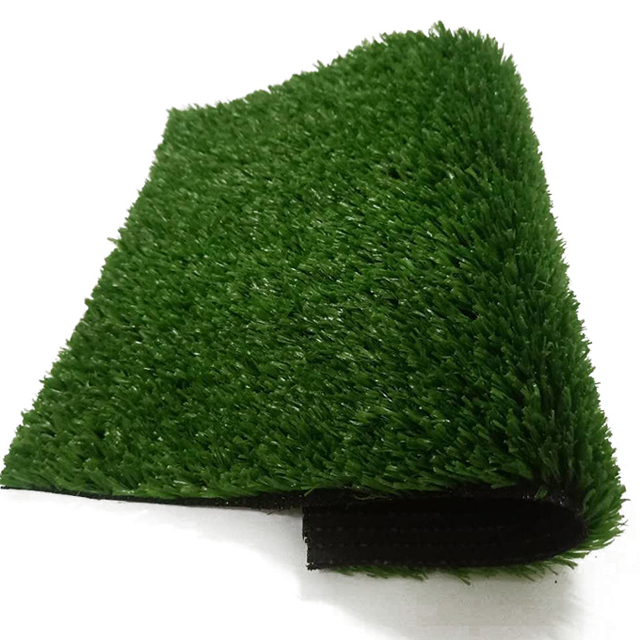
When considering high-end imported turf, there are several advantages and disadvantages to weigh.
Performance: Imported turf often boasts superior durability and playability. Many brands offer customizable options tailored to specific sports needs.
Disadvantages: The main drawback is the price, which can be significantly higher than domestic products. It’s essential to evaluate whether the enhanced performance justifies the investment.
High-end options typically range from $5 to $10 per square foot. These products often meet rigorous performance standards, ensuring they can withstand heavy use without deteriorating.
Look for certifications like SGS and CE, which indicate compliance with safety and environmental standards. These certifications ensure the turf is safe for athletes and environmentally friendly.
Feature | High-End Imported Turf |
Price Range | $5 - $10 per sq. ft. |
Performance Standards | High durability, customizable options |
Certifications | SGS, CE |
Mid-range domestic turf offers a balance of quality and affordability.
These products usually range from $2 to $5 per square foot. They often include features like decent shock absorption and reasonable wear resistance.
While domestic turf may not match the performance of high-end imported options, it often meets local standards. Many products are designed to perform well for typical indoor sports.
Domestic turf generally features a height of 30 to 50 mm and a density of 10,000 to 15,000 stitches per square meter. These specifications provide good performance for recreational use.
Feature | Mid-Range Domestic Turf |
Price Range | $2 - $5 per sq. ft. |
Turf Height | 30 - 50 mm |
Turf Density | 10,000 - 15,000 stitches/m² |
For those on a tight budget, low-cost artificial turf can be tempting.
Pros: Budget-friendly options can save money upfront. They may still provide adequate performance for casual use.
Cons: However, these products often come with drawbacks, such as odor issues and reduced durability. Over time, they may require replacement sooner than higher-quality options.
When choosing budget turf, keep an eye out for potential quality issues. Check for strong warranties, and ensure that the turf has been tested for safety.
To avoid poor quality, look for turf with a pile height of at least 20 mm and a decent stitch count. It’s also wise to read reviews and seek recommendations from others who have used the product.
Feature | Budget-Friendly Turf |
Price Range | $1 - $2 per sq. ft. |
Common Issues | Odor, durability concerns |
Recommended Specifications | 20 mm height, decent stitch count |
By comparing these different types of artificial turf, you can find the right fit for your indoor sports facility, balancing quality, performance, and budget.
Choosing the right artificial turf is crucial for indoor sports.
Consider specific needs when selecting turf.
Focus on performance, safety, and maintenance.
Consulting experts can help ensure the best choice.
Explore various options and seek tailored recommendations for your facility.
A: The lifespan of artificial turf typically ranges from 8 to 15 years, depending on usage and maintenance.
A: Yes, many artificial turfs are designed for multi-sport use, offering versatility for different activities.
A: Regular maintenance includes brushing, cleaning debris, and checking for wear. Occasional infill replenishment may also be needed.
A: Most artificial turf is safe for children and pets, especially those with certifications for safety and non-toxicity.
A: Artificial turf can have mixed environmental impacts, including heat retention and drainage issues, but some products are eco-friendly.
A: Artificial turf generally performs well in humid conditions, though proper drainage is essential to prevent water accumulation.
A: Yes, many brands offer customizable options tailored to the specific needs and performance standards of different sports.


