
WhatsApp

close
Choose Your Site
Global
Social Media


Natural lawns look great, but they take time, water, and constant care. That is why more homeowners are turning to fake grass for a cleaner and longer-lasting solution. Still, with so many options available, it can be hard to choose the best fake grass. In this article, you will learn a simple path from identifying your needs to comparing products and making a smart purchase.
Choosing fake grass starts with a simple idea: the right product depends on how the space will actually be used. Before comparing materials, pile height, or drainage features, define the job the surface needs to do. A lawn that exists mainly for curb appeal has very different requirements from a dog run, a children’s play zone, or a patio that hosts guests every weekend. The more clearly you identify the purpose of the space, the easier it becomes to filter out options that look attractive online but do not match daily use. This need-first approach is especially important because usage, foot traffic, and performance priorities shape every later decision, from comfort underfoot to long-term durability.
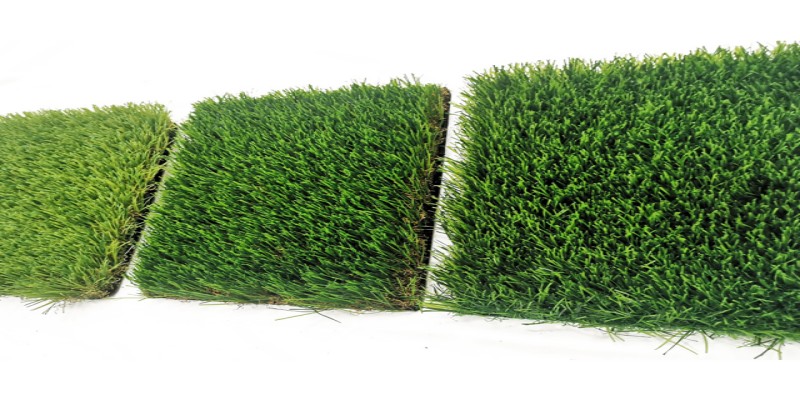
Start by naming the primary function of the area, not just its location. “Backyard” is too broad; “decorative front lawn,” “pet relief area,” “family play space,” or “commercial walkway” is much more useful. A decorative area usually prioritizes a natural look, while a pet-focused space needs to support easy cleanup and frequent rinsing. A play area may need a softer feel, and an entertainment zone has to handle chairs, foot traffic, and repeated use without looking worn too quickly. When readers skip this step, they often choose based on appearance first and only later realize the grass does not fit their routine.
Traffic level is one of the clearest indicators of what your fake grass will need to withstand over time. Instead of guessing, think about who uses the space, how often, and what kind of activity happens there.
Traffic Level | Typical Situation | What It Means for Selection |
Low | Decorative corners, rarely used side yards | Appearance matters more than heavy wear resistance |
Medium | Standard family lawns, patios, small gathering areas | Needs a balance of comfort, resilience, and easy upkeep |
High | Pet zones, children’s play areas, busy entertainment spaces | Must hold shape well under repeated daily use |
A helpful rule is to assess the space over a normal week: where do people walk repeatedly, where do pets run, and where does furniture get moved most often? Those patterns reveal whether you are shopping for visual appeal, performance, or both.
After defining use and traffic, set your priority. For some buyers, the top goal is a realistic look that blends naturally with the landscape. For others, softness matters most because the area is used barefoot or by children. In more demanding spaces, durability becomes the leading factor because the turf needs to recover from pressure and keep its shape over time. Ranking these priorities early prevents you from chasing every feature at once and creates a clear decision framework for the next stage.
High-quality fake grass is defined less by marketing claims and more by how its construction performs over time. To evaluate it well, readers need to look beneath the color and softness they notice first. Material composition affects strength and feel, pile height shapes both appearance and resilience, drainage influences cleanliness and longevity, and design details determine whether the surface looks realistic or obviously synthetic. When these elements work together, fake grass not only looks better on day one but also holds up better after weather exposure, cleaning, and repeated use.
The three most common fake grass materials are polyethylene, nylon, and polypropylene, and each behaves differently under pressure, heat, and long-term wear.
Material | Main Strengths | Main Limitations |
Polyethylene | Soft feel, realistic appearance, strong all-around performance | Not as tough as nylon under the most demanding wear |
Nylon | Excellent resilience, strong heat resistance, holds blade shape well | Higher cost and firmer feel |
Polypropylene | Lower cost, lightweight, suitable for basic decorative use | Lower durability and weaker heat resistance |
Polyethylene is often valued because it balances appearance and comfort without sacrificing too much durability. Nylon stands out for structural strength, especially where fiber memory matters and blades need to recover their shape consistently. Polypropylene is usually the entry-level choice, but its lower resilience means buyers should judge it carefully on overall build quality rather than price alone.
Pile height refers to blade length, and it affects more than visual style. Shorter fibers generally create a tidier surface and tend to resist flattening more effectively, while longer fibers create a fuller, softer appearance but can lose their upright form more easily if the product lacks enough density. Medium pile heights are often favored because they balance a natural look with more stable day-to-day performance.
Density, often reflected through face weight, is just as important as height. Two turf samples may have similar blade lengths but feel completely different if one contains more fiber per square yard. A denser product usually feels fuller underfoot, hides the backing better, and maintains its appearance longer. Low-density turf often looks acceptable in a small sample but appears thin once installed across a larger area, especially after brushing, weather exposure, or compression. That is why buyers should not judge quality by pile height alone; tall blades without enough fiber support may look plush initially but wear visually faster.
Drainage is one of the least glamorous but most important parts of fake grass construction. A strong drainage system allows water to move through the turf instead of collecting on the surface or lingering within the base. Poor drainage can contribute to odor retention, slow drying, trapped debris, and a generally shorter useful lifespan. Good products typically use either perforated backing or more fully permeable structures designed to move moisture away efficiently.
Backing deserves equal attention because it supports the entire turf structure. It anchors the fibers, influences dimensional stability, and affects how well the grass handles cleaning, temperature shifts, and long-term tension after installation. A weak backing can lead to separation, wrinkling, or reduced durability even when the visible grass blades seem acceptable. Buyers often focus on the yarn and ignore the base, but the backing is what holds the product together structurally over time.
Realistic fake grass depends on layered visual details rather than a single feature. Multi-tone green fibers create natural variation, while brown or beige thatch helps mimic the dry underlayer found in real lawns. This combination prevents the surface from looking flat or overly uniform. Blade shape also matters: curved or structured profiles often reflect light more naturally and help blades stay upright, which improves both realism and visual texture.
Gloss is another key factor. Turf with excessive sheen often creates the unmistakable “plastic lawn” effect, especially in direct sunlight. A more natural finish usually comes from de-lustered fibers, balanced color variation, and enough density to keep the backing hidden. When evaluating samples, buyers should check them outdoors rather than under showroom lighting, because sunlight quickly reveals whether the grass looks convincingly natural or artificially bright.
Once the core features of fake grass are clear, the next step is practical matching. Different spaces call for different turf profiles, and the best choice is usually the one that aligns most closely with the surface’s daily role. Rather than comparing every technical detail again, this section focuses on straightforward recommendations so readers can quickly narrow the field and move toward a more confident buying decision.
Application | Recommended Fake Grass Profile |
Landscaping and home lawns | Medium pile height, high density, polyethylene fibers |
Pet areas | Short pile, fast-draining backing, easy-clean surface |
Kids and play areas | Soft texture, cushioned feel, moderate durability |
High-traffic or commercial use | Nylon or very high-density turf built for repeated wear |
For landscaping and general home lawn use, the strongest all-around option is usually fake grass with a medium pile height, high density, and polyethylene fibers. This combination creates the most balanced result for homeowners who want a lawn that looks lush without becoming overly long or difficult to keep visually neat. Medium-height blades tend to provide a natural, full appearance, while the added density helps the surface look richer and more finished across a larger installation. Polyethylene is typically the preferred fiber here because it delivers a softer, more realistic visual effect than stiffer alternatives.
This type of recommendation fits readers who want fake grass to improve curb appeal, create a polished backyard, or replace a traditional lawn with something that still looks close to natural grass. If the visual goal is a comfortable, attractive landscape rather than a highly specialized performance surface, this profile is the safest starting point.
For pet zones, the most practical recommendation is short-pile fake grass with strong drainage and an easy-clean construction. A shorter blade height makes waste removal simpler and helps the surface stay more manageable after repeated rinsing. Fast drainage is essential because pet areas need moisture to move through the turf quickly rather than sitting on the surface or lingering in the backing. Products designed for easier cleanup often feel more functional than decorative, which is exactly the point in this category.
Readers looking for fake grass for dogs or multi-pet households should prioritize a turf profile that supports regular washing and day-to-day hygiene. In this setting, convenience usually matters more than a plush, extra-long lawn appearance. The right recommendation is one that keeps the area usable, cleaner-looking, and easier to maintain over time.
For children’s spaces, the best fake grass is usually a softer surface with a cushioned feel and moderate durability. This recommendation favors comfort underfoot and a gentler play experience, especially for spaces where kids sit, run, or play for extended periods. A turf that feels too stiff can make the area less inviting, while one with no sense of cushioning may not deliver the comfort families expect from a play-friendly surface.
The ideal recommendation here is not the hardest-wearing turf on the market, but a balanced one that feels pleasant and can still handle regular activity. For family-oriented outdoor spaces, this category benefits from a fake grass type that supports both movement and comfort without shifting too far toward a purely decorative finish.
For busy surfaces, the clearest recommendation is nylon turf or a very high-density fake grass built for repeated wear. These products are better suited to spaces where appearance alone is not enough and performance needs to remain consistent under constant pressure. Nylon is often the most reliable choice when the surface must hold its shape well and resist heavy compression. High-density turf can also be a strong option where a thick, resilient surface is needed for frequent use.
This recommendation works best for areas that need stronger structural performance and a longer-lasting visual finish under demanding conditions. In these cases, readers should look for fake grass designed to endure constant use rather than turf selected mainly for softness or a decorative first impression.
Buying fake grass is not just about finding a surface that looks good in photos. A smart purchase means understanding how price is built, knowing when installation quality matters more than product marketing, and comparing samples in a way that reveals real differences. This stage is where many buyers either protect their investment or create expensive problems later. A lower upfront cost can be appealing, but if the turf wears down quickly, drains poorly, or is installed on an unstable base, the long-term value drops fast.
Price Tier | Typical Material Cost | Typical Installed Cost | What Usually Drives the Cost |
Economy | $2–$4/sq. ft. | $10–$14/sq. ft. | Basic turf, lower density, simpler backing, easier site prep |
Mid-range | $4–$6/sq. ft. | $12–$19/sq. ft. | Better realism, stronger density, improved drainage, standard professional installation |
Premium | $6–$8+/sq. ft. | $18–$25+/sq. ft. | Higher-grade fibers, denser construction, premium backing, odor-control or cooling add-ons, more complex labor |
Price is usually shaped by material quality, fiber density, visual realism, drainage construction, and any specialized features built into the turf. Installation also changes the final budget significantly, especially when site preparation is extensive. Buyers should evaluate fake grass as a long-term surface investment rather than a purely price-per-square-foot purchase.
Installation quality has a direct impact on how fake grass looks, drains, and ages. Even a strong product can perform poorly if the base is uneven, compacted incorrectly, or finished with weak seams. DIY installation can work for small, simple spaces, but larger or more demanding projects often benefit from professional preparation and fitting. A well-installed surface usually looks smoother, feels more stable, and avoids visible problems that become obvious after regular use.
Common installation issues include uneven ground, poor drainage flow, visible seam lines, edge lifting, and premature wrinkling. These are not minor cosmetic flaws; they can shorten the useful life of the turf and reduce the value of the purchase.
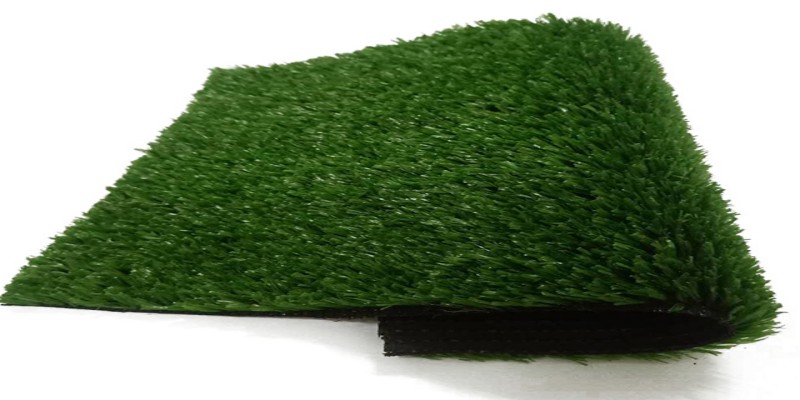
Before buying, compare real samples instead of relying only on online descriptions. Press the fibers down with your hand and see how quickly they recover. Check the color outdoors in direct sunlight, not just indoors under showroom lighting. Run your hand across the surface to evaluate texture, and look closely at whether the turf appears naturally varied or too glossy and artificial. Sample testing gives buyers a better sense of real performance than product names or promotional claims.
A common mistake is choosing fake grass based only on first appearance while ignoring functional details. Another is overlooking drainage, especially in spaces that will need frequent cleaning or fast water flow. Buyers also make costly errors when they select the wrong pile height for the project, ending up with a surface that looks appealing at first but does not perform well once installed.
Choosing the right fake grass means matching your needs, product features, and budget wisely. There is no single best option, only the best fit for your space. Testing samples helps you buy with confidence. Qingdao XiHY Artificial grass company offers durable, realistic products and dependable service that support long-term value.
A: Choose fake grass with high density, strong fiber recovery, and a shorter to medium pile height.
A: The best fake grass pile height depends on use: shorter for durability, medium for balance, longer for visual softness.
A: For commercial use, fake grass made from nylon or durable polyethylene usually offers the best wear resistance and stability.


