
WhatsApp

close
Choose Your Site
Global
Social Media
Author: Site Editor Publish Time: 2025-12-16 Origin: Site


The debate between artificial grass and natural grass is more relevant than ever. With growing concerns about water conservation, maintenance costs, and environmental impact, many are opting for artificial grass. But which is better for your specific needs?In this article, you will learn about the pros and cons of both options, helping you make an informed decision.
One of the key differences between artificial grass and natural grass is their water requirements. Natural grass needs a significant amount of water to stay healthy, especially in warmer climates. This can mean regular watering and significant water bills over time. For instance, maintaining a typical lawn might require anywhere from 25 to 50 gallons of water per square foot annually.
On the other hand, artificial grass eliminates the need for regular watering, making it an eco-friendly option for water conservation. By replacing natural grass with synthetic turf, you can save thousands of gallons of water each year, reducing your environmental footprint.
Natural grass plays a crucial role in supporting local ecosystems. Lawns often provide habitats for insects, birds, and other wildlife. However, the use of pesticides, fertilizers, and herbicides can negatively impact local biodiversity, leading to soil degradation and the destruction of beneficial insects.
Artificial grass, while low-maintenance, does not provide any ecological benefits. It doesn't support wildlife, and its synthetic nature can be harmful to local ecosystems in the long run, especially if the materials are not sustainably produced or disposed of properly.
The production of artificial grass involves the use of synthetic materials like polypropylene, nylon, or polyethylene, which are not biodegradable. Over time, artificial grass can contribute to plastic waste, especially when it needs to be replaced after about 10 to 15 years of use. Recycling options for synthetic grass are limited, which makes disposal a significant environmental concern.
Natural grass, in contrast, is biodegradable and contributes to soil health. However, the frequent use of fertilizers and pesticides, which are necessary for maintaining a lush green lawn, can contribute to soil and water pollution.
Natural grass requires regular care to maintain its health and appearance. Lawn mowing, weeding, and fertilizing are essential tasks to ensure that your lawn stays green and lush. Depending on your climate, you may need to mow your lawn once a week during the growing season, and keep up with seasonal changes by aerating, dethatching, and reseeding as needed.
Additionally, natural grass can be highly susceptible to pests and diseases, which may require chemical treatments to keep under control. All of these maintenance activities require time, effort, and money.
The maintenance of artificial grass is far less demanding compared to natural grass. It does not need mowing, watering, or fertilizing, making it a time-saving choice. However, it does require occasional cleaning to remove debris, leaves, and dirt. A periodic brushing can help maintain its appearance and prevent matting, especially in high-traffic areas.
Artificial grass is also more resistant to pests and diseases compared to natural grass. However, it is important to inspect the turf regularly for any wear and tear, especially in high-use areas.
There’s no denying the beauty of a natural grass lawn. It offers a rich green color, with seasonal variations that bring new life to your garden throughout the year. The texture of real grass also adds to its appeal, providing a soft, comfortable surface that enhances the overall aesthetic of your property.
Natural grass allows for customization in landscaping, including flower beds, shrubs, and trees that complement the lawn’s beauty. Seasonal color changes and the vibrant growth during spring and summer add to the charm of natural grass.
Technological advancements have made artificial grass look increasingly realistic. Modern synthetic turf mimics the color, texture, and feel of natural grass, offering a viable alternative to real lawns. It’s available in various shades of green, and the fibers are designed to replicate the natural variations found in real grass.
However, while the visual quality of artificial grass has improved, it still doesn’t quite match the authentic appeal of natural grass. Over time, artificial grass can show signs of wear, especially in high-traffic areas, and may lose some of its initial luster.

When it comes to the initial investment, artificial grass tends to be more expensive than natural grass. Installing synthetic turf involves a significant upfront cost for materials and professional installation. The price can vary depending on the quality of the turf and the size of the area to be covered.
In contrast, installing natural grass can be more affordable, especially if you’re seeding the lawn yourself. However, costs can increase if you need to buy high-quality sod or hire professionals for installation.
Maintaining natural grass comes with recurring costs. These include water bills, fertilizer, lawnmower maintenance, and potential pest control treatments. Depending on the size of your lawn and the climate, these ongoing expenses can add up quickly, especially if your lawn requires extra care to stay green and healthy.
While the initial cost of artificial grass can be high, it offers long-term savings in maintenance. You won’t have to worry about water bills, fertilizers, or lawnmower upkeep. However, there may be some ongoing costs, such as cleaning supplies and occasional repairs or replacement of worn-out sections.
Over a 10- to 15-year period, artificial grass can be a cost-effective option compared to natural grass.
Natural grass can exacerbate allergy symptoms during the pollen season. Grass pollen is a common allergen, leading to sneezing, itching, and other discomforts. If you suffer from allergies, natural grass might not be the ideal option for your lawn.
Artificial grass, however, does not produce pollen and is hypoallergenic. It provides a more comfortable environment for individuals sensitive to grass pollen, as it does not trigger seasonal allergies.
Natural grass often requires the use of pesticides and fertilizers to maintain its health, and these chemicals can be harmful to children and pets if not applied properly. Additionally, sharp objects or insects hidden in the grass could pose risks.
Artificial grass is typically made from non-toxic materials and provides a soft, even surface that’s safer for children and pets. It’s free from the risks associated with chemical treatments and offers a durable and non-abrasive surface for outdoor play.
Natural grass can suffer from extreme weather conditions. During droughts, it may turn brown, requiring intensive care to revive. In contrast, heavy rains can lead to muddy patches and erosion. Additionally, extreme cold can cause the grass to go dormant or even die.
Artificial grass is designed to withstand all weather conditions, including heavy rain, extreme heat, and cold temperatures. It doesn’t turn brown during droughts and remains lush and green year-round, making it ideal for climates with fluctuating weather conditions.
Natural grass has a limited lifespan, particularly in areas with heavy foot traffic. Lawns may wear down quickly and may require reseeding or patching over time. Additionally, grass may struggle to grow in shaded areas or poorly draining soil.
Artificial grass, however, can last up to 15 years or more with proper maintenance. It is highly durable and can withstand heavy foot traffic, making it an excellent choice for high-use areas like sports fields and playgrounds.
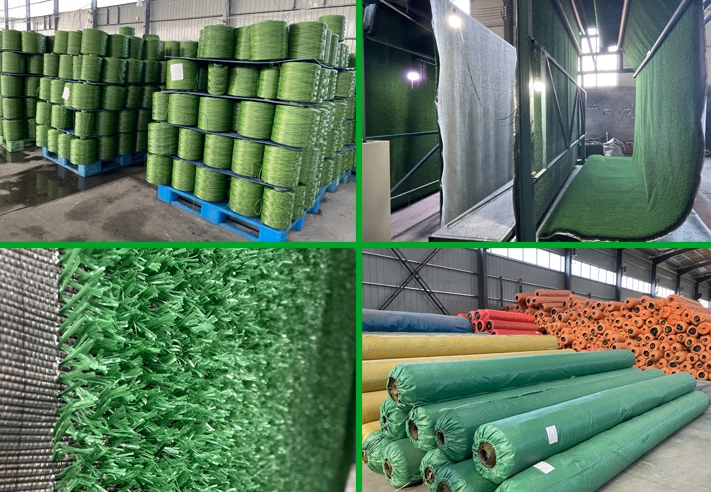
Both artificial grass and natural grass offer distinct advantages and drawbacks. If you prioritize low-maintenance landscaping, water conservation, and durability, artificial grass may be the right choice for you. However, if you value supporting local ecosystems and the natural aesthetic of a real lawn, natural grass might be more suitable. When making a decision, consider factors such as the local climate, long-term cost, maintenance requirements, and environmental impact. By weighing the pros and cons, you can choose the best option for your space and lifestyle. For those considering artificial grass, Qingdao XiHY Artificial Grass Company is a professional manufacturer in China with years of experience. With advanced artificial grass fiber production equipment and turf machines, they can design various types of artificial grass to meet the specific requirements of their customers.
A: Artificial grass is a synthetic surface made of plastic fibers designed to look like real grass. Unlike natural grass, it doesn't require watering, mowing, or fertilizing. Natural grass, on the other hand, is a living plant that needs regular care, including watering, mowing, and seasonal maintenance.
A: Yes, artificial grass is better for water conservation as it does not require watering, unlike natural grass, which needs significant amounts of water to stay healthy, especially in dry climates.
A: Artificial grass requires minimal maintenance, such as occasional cleaning and brushing, while natural grass needs regular mowing, fertilizing, and watering to stay healthy and lush.
A: Yes, artificial grass can be installed in almost any climate. Unlike natural grass, it doesn't suffer from drought or extreme weather, maintaining its appearance year-round.


