
WhatsApp

close
Choose Your Site
Global
Social Media
Author: Site Editor Publish Time: 2025-12-30 Origin: Site


Are you tired of muddy paws and constant lawn maintenance? Artificial grass offers a clean, durable solution for pet owners. In this article, we’ll explore the benefits of artificial grass for dogs, including its low upkeep and safety features. You’ll learn practical buying tips to help you choose the best option for your furry friend.
When it comes to artificial grass, there are several categories to consider. Each type has unique characteristics that can cater to different needs, especially for pet owners. Here’s an overview of the main categories:
Type | Key Features | Advantages |
Standard Grass | Basic uniform blade design | Budget-friendly, easy installation, fade-resistant |
Premium Grass | Natural-looking blades and enhanced realism | More durable, withstands heavy foot traffic |
Low-Pile Grass | Short blade height (15–25mm) | Easy maintenance, ideal for balconies and rooftops |
High-Pile Grass | Longer blades (30–40mm) for a lush appearance | Soft underfoot, visually appealing for gardens |
Each type serves a different purpose. For example, standard grass is great for budget-conscious buyers, while premium grass offers a more realistic look, making it perfect for high-traffic areas. Low-pile grass is ideal for confined spaces, while high-pile grass provides a luxurious feel, perfect for residential gardens.
Choosing the right type of artificial grass for your dog depends on their activity level and size. Here are some recommendations:
● For Active Dogs: If you have a larger or more energetic dog, consider premium or high-pile grass. These types can withstand vigorous play and provide comfort for your pet’s paws.
● For Smaller Breeds: Smaller dogs may do well with standard or low-pile grass. These options are easier to clean and maintain, making them suitable for indoor use or small outdoor spaces.
● Indoor vs. Outdoor Use: If you plan to use artificial grass indoors, low-pile options are often best. They don’t trap dirt and are easier to rinse off. For outdoor areas, consider models like the 15mm Economic Grass Roll for Garden Landscape, which balances durability and aesthetics.
Here are a few specific models that are highly recommended for dog-friendly spaces:
Model Name | Pile Height | Material Composition | Best For |
15mm Economic Grass Roll | 15mm | PE + PP Mix | Garden landscapes, patios |
Wholesale PP Economic Turf | 10mm | 100% PP | Temporary events, balconies |
China Factory Economic Turf Roll | 20mm | PE Monofilament + PP | Rooftop decks, light traffic areas |
Cheap Landscaping Artificial Grass | 10mm/15mm | PP + PE Mix | Backyards, exhibition areas |
These models offer a range of options to suit different needs and preferences. From durability to aesthetics, they provide great value for pet owners looking to enhance their outdoor or indoor spaces. Choosing the right type ensures your dog has a comfortable and safe area to play and relax.
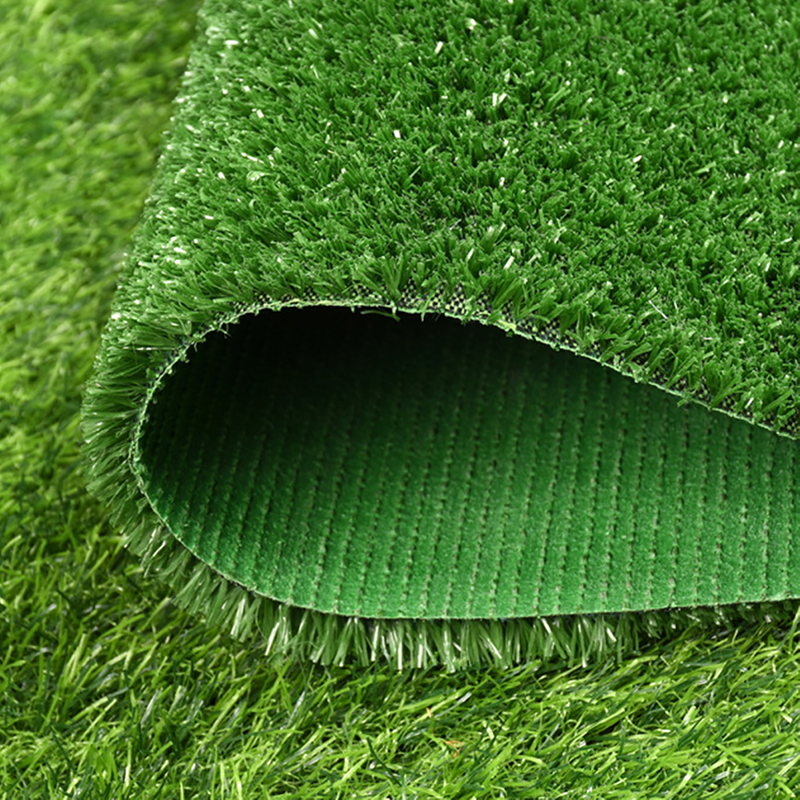
Pile height refers to the length of the grass blades in artificial turf. It significantly impacts both comfort and functionality. For dogs, the recommended pile height is typically between 10mm and 30mm.
● Why Does Pile Height Matter?
○ Shorter piles (around 10mm) are easier to clean and maintain, making them ideal for indoor areas or small spaces.
○ Taller piles (20mm to 30mm) provide more cushioning, which is great for outdoor play areas where dogs can run and jump.
In general, a balanced pile height ensures your dog has a comfortable surface to walk on while also being easy for you to care for.
The materials used in artificial grass play a crucial role in its performance and durability. Here are the most common materials:
Material | Description | Benefits |
PP (Polypropylene) | Budget-friendly option, lightweight. | Suitable for low-traffic areas, cost-effective. |
PE (Polyethylene) | More realistic look and feel. | Soft underfoot, great for high-traffic areas. |
Nylon | Extremely durable and resilient. | Best for heavy use, retains shape well. |
● Importance of UV-Resistance:
○ UV-resistant materials prevent fading and degradation from sunlight. This is essential for outdoor grass exposed to the elements, ensuring it remains vibrant and functional year-round.
● Fiber Quality (dtex):
○ Fiber quality is measured in dtex, which indicates the density and strength of the fibers. A higher dtex value means stronger fibers, making it resistant to wear and tear. For dog areas, look for fibers in the range of 6600 to 16800 dtex to ensure durability.
The backing of artificial grass is just as important as the blades themselves. Different types of backing offer various benefits:
Backing Type | Description | Advantages |
SBR Latex | A popular choice for its strong tuft lock. | Provides good drainage and stability. |
Non-Woven | Lightweight and breathable. | Excellent for drainage, preventing odors. |
● Importance of Drainage:
○ Proper drainage is critical for maintaining hygiene and preventing odors. Artificial grass should have a drainage rate of at least 300 inches per hour to effectively handle rain and pet waste.
● Keeping It Clean:
○ Good drainage helps keep the surface dry and reduces the risk of mold and unpleasant smells, making it a healthier environment for your dog.
When selecting artificial grass, considering these key features—pile height, material composition, and backing type—will help you find the best option for your furry friend. Your choice will impact comfort, durability, and ease of maintenance, ensuring a safe and enjoyable space for your pet.
When selecting artificial grass, durability is a crucial factor. You want a product that can withstand your dog’s playful antics. To evaluate durability, consider the following:
● dtex Values: The strength of artificial grass fibers is measured in dtex. For dog areas, look for a dtex value of 6600 to 16800. Higher values indicate stronger fibers that resist wear and tear, making them ideal for heavy use.
● Blade Resistance: It’s essential to choose grass that has good blade resistance to prevent paw burns. Some materials can heat up in direct sunlight, so opting for UV-resistant options helps maintain a safe temperature for your pet.
Here’s a quick comparison of dtex values and their suitability:
dtex Range | Suitability | Notes |
< 6600 | Low traffic areas | Not recommended for dogs |
6600 - 16800 | Moderate to heavy traffic | Ideal for dog play areas |
> 16800 | High durability | Excellent for commercial or heavy use |
Maintaining artificial grass is generally easier than caring for natural grass, but there are still some tips to keep it looking its best:
● Easy Cleaning Tips: Regularly remove debris like leaves and pet waste. Use a hose to rinse off the surface, and for tougher stains, a mild pet-safe detergent works wonders. A stiff-bristle broom can help fluff the grass and maintain its appearance.
● Non-Absorbent Backing: Look for grass with a non-absorbent backing. This feature helps control odors by allowing moisture to drain away quickly. A good drainage system prevents pooling and promotes hygiene, making it safer for your pets.
● Cost Savings: Over time, artificial grass can save you money compared to maintaining natural grass. You avoid costs related to mowing, watering, and fertilizing, which can add up significantly.
Safety should always be a priority when choosing artificial grass for your dog. Here are some important factors to consider:
● Toxic Materials and Certifications: Always check for toxic materials in artificial grass. Look for certifications such as GB/T 20394-2019 and EN71-3, which ensure the product meets safety standards for pets.
● Antimicrobial Properties: Grass with antimicrobial properties is particularly important in high-moisture areas. This feature helps prevent the growth of bacteria and fungi, keeping your pet's environment healthier.
● Pet-Safe Disinfectants: If the grass doesn’t have built-in antimicrobial features, consider using pet-safe disinfectants for cleaning. Look for products that are specifically designed for artificial grass to maintain its integrity and safety.
By keeping these practical buying tips in mind, you can select the best artificial grass for your dog’s needs, ensuring a safe, durable, and low-maintenance environment for play and relaxation.
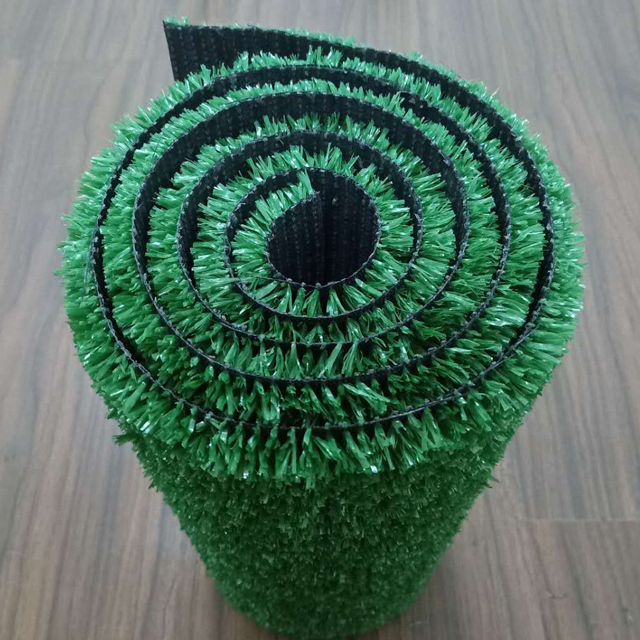
When it comes to installing artificial grass, you have two main options: DIY or hiring a professional. Each approach has its own advantages and disadvantages.
Installation Method | Pros | Cons |
DIY Installation | Cost-effective, flexible schedule, hands-on experience. | Requires tools and time, potential for mistakes. |
Professional Installation | Expertise ensures quality, saves time, guarantees proper installation. | Higher cost, less control over the process. |
If you choose to go the DIY route, be prepared to invest time and effort. You’ll need tools like a utility knife, turf cutter, and a compactor. On the other hand, hiring professionals can provide peace of mind, especially if you’re unsure about the installation process.
Regardless of which installation method you choose, ensuring your pet's safety is paramount. Here are some essential tips:
● Securing Seams and Edges: Properly securing seams and edges prevents your dog from pulling up the grass. Use strong adhesive or seam tape designed for artificial grass. This will help create a seamless look and keep the turf in place.
● Perimeter Anchoring: Anchoring the perimeter of the grass is crucial. It prevents your dog from digging underneath and escaping. Use landscape staples or stakes every 12 inches around the edges for added security.
● Stable Draining Bases: During installation, ensure you use a stable base that promotes drainage. A well-draining base helps avoid water pooling and keeps the grass dry. This is particularly important in areas where your dog frequently plays.
Here are some additional tips to help make your installation process smoother:
1. Choose the Right Time: Install on a dry day to avoid complications with wet soil.
2. Prepare the Ground: Clear the area of debris and level the ground to create a stable surface.
3. Incorporate Drainage Solutions: If possible, include a slight slope to facilitate drainage, especially in areas prone to heavy rainfall.
By considering these installation factors, you can create a safe and enjoyable environment for your dog. Whether you choose to tackle the project yourself or hire professionals, proper installation is key to ensuring your artificial grass lasts for years to come.
A: Artificial grass typically lasts 8 to 12 years with proper installation and maintenance. Factors affecting longevity include quality, usage, and environmental conditions.
A: Yes, artificial grass can be used indoors, providing a clean, low-maintenance surface for pets. It’s important to choose options with good drainage and non-absorbent backing.
A: While the initial investment in artificial grass can be higher than natural grass, it leads to long-term savings by eliminating costs for mowing, watering, and fertilizing.
A: When testing samples, consider the texture and comfort for dogs. Many manufacturers offer free samples, allowing you to assess quality before purchasing.
In summary, choosing artificial grass for dogs requires careful consideration. Key points include evaluating durability, maintenance needs, and safety features.
These practical buying tips help ensure a safe and enjoyable environment for your pet.
Artificial grass is a viable option for pet owners looking for low-maintenance solutions.
Consider requesting samples or consulting with experts for personalized recommendations to find the best fit for your needs.


