
WhatsApp

close
Choose Your Site
Global
Social Media


Are you tired of maintaining a natural lawn? Artificial grass offers a practical solution. It’s low-maintenance, durable, and eco-friendly.
In this article, we'll explore how to install artificial grass, highlighting its benefits over natural grass. You'll learn about preparation, installation steps, and maintenance tips for your new lawn.
Artificial grass has become a popular choice for various applications due to its impressive features. One of its standout characteristics is anti-UV performance, which helps maintain color and appearance under sunlight. This means your lawn will look vibrant for years, regardless of the weather.
Another essential feature is wear resistance. Artificial grass can withstand heavy foot traffic, making it ideal for sports fields and playgrounds. Safety is also a priority; many products are designed to be non-toxic and safe for children and pets. Additionally, artificial grass is environmentally friendly, requiring no watering, mowing, or pesticides.
● Elasticity: It offers a soft, cushioned feel underfoot, enhancing comfort during use.
● Low Post-Maintenance Costs: Once installed, it significantly reduces long-term maintenance expenses.
Feature | Description |
Anti-UV Performance | Protects against fading and maintains color |
Wear Resistance | Suitable for high-traffic areas |
Safety | Non-toxic materials ensure safety for users |
Environmental Friendliness | No need for watering or harmful chemicals |
When it comes to selecting artificial grass, understanding the various types available is crucial for making an informed decision. Each type of artificial grass is designed with specific features and purposes in mind, catering to different needs and preferences. For example, some types are engineered for high durability and performance in sports settings, while others focus on aesthetic appeal for landscaping. By recognizing the unique characteristics and applications of each type, you can choose the right artificial grass that best suits your project requirements, ensuring optimal functionality and satisfaction.
Sports grass is engineered specifically for athletic use. It finds applications in football fields, tennis courts, and multi-functional yards. This type of grass is designed to handle intense activity, providing a reliable surface for athletes. Its durability ensures minimal wear, even with frequent use, making it a smart investment for sports facilities.
On the other hand, landscaping grass is perfect for enhancing aesthetic appeal in various settings. It works wonderfully in gardens, courtyards, playgrounds, and hotels. This type of grass mimics the look of natural grass while offering all the benefits of artificial turf. Its lush appearance remains consistent throughout the seasons, providing a beautiful backdrop for outdoor spaces.
Type | Ideal Uses |
Sports Grass | Football fields, tennis courts, multi-functional yards |
Landscaping Grass | Gardens, courtyards, playgrounds, hotels |
Choosing the right type of artificial grass depends on your specific needs. Whether you require a robust surface for sports or a visually appealing option for landscaping, there's a suitable product available. This versatility makes artificial grass an excellent choice for many applications.
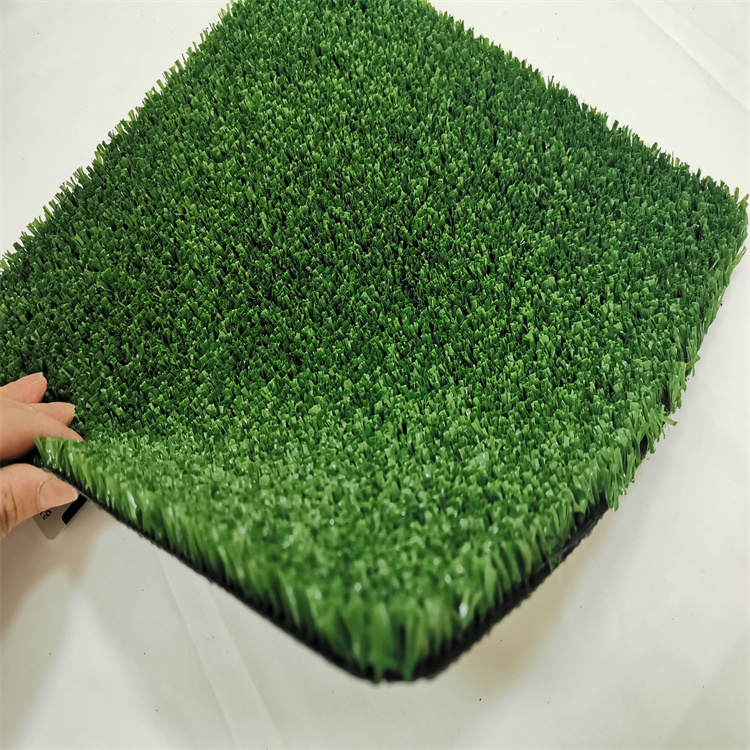
Before diving into the installation of artificial grass, it's essential to assess your space thoroughly. Start by measuring the area where you plan to install the grass. Consider the size and shape of the space, as this will influence the amount of material you need. Irregularly shaped areas may require more careful cutting and fitting, so take your time during this step.
It's equally important to evaluate the existing conditions of the installation site. Look for any obstacles like trees, rocks, or uneven terrain that may complicate the process. You should also check the drainage in the area. Proper drainage is vital to prevent water pooling, which can damage the grass over time.
A critical step often overlooked is checking for underground utilities. Before you start digging, use a utility locator service to identify any electric wires, water pipes, or gas lines. This precaution helps avoid costly damages and ensures safety during installation. Many local utility companies offer this service, and it’s worth the effort to protect both your project and your property.
Once you understand your space, the next step is selecting the right type of artificial grass. There are various types available, each designed for specific uses and environments.
1. Sports Grass: This type is engineered for athletic use, suitable for football fields, tennis courts, and other sports facilities. It is designed to withstand high foot traffic and provide excellent performance.
2. Landscaping Grass: Ideal for residential and commercial landscaping, this grass mimics the look of natural grass. It’s perfect for gardens, courtyards, and parks, offering aesthetic appeal along with durability.
When choosing artificial grass, consider these key factors:
● Pile Height: The height of the grass blades affects both appearance and feel. Taller piles offer a lush look but may require more maintenance.
● Material Composition: Different materials provide varying levels of durability and softness. Common options include polyethylene, polypropylene, and nylon.
● Intended Use: Think about how the space will be used. High-traffic areas need more durable grass, while decorative spaces can use softer, more realistic options.
Type of Grass | Best For | Key Features |
Sports Grass | Athletic fields | Durable, high-performance |
Landscaping Grass | Gardens, courtyards, parks | Aesthetic, soft, low-maintenance |
By understanding your space and carefully selecting the right type of artificial grass, you set the stage for a successful installation. This preparation ensures that your new lawn will look great and perform well for years to come.
To successfully install artificial grass, having the right tools is crucial. Here’s a list of essential tools you’ll need for the job:
● Wheelbarrow: This tool makes transporting materials like soil, gravel, and grass much easier. It helps you save time and energy during the installation process.
● Shovels: A standard shovel is essential for digging and moving soil. A flat shovel is great for edging and creating clean lines around your installation area.
● Grading Rake: This tool is ideal for leveling the ground. It helps ensure that your base is smooth and even, which is vital for a successful installation.
● Utility Knife: A sharp utility knife is necessary for cutting the artificial grass to fit your space perfectly. Make sure it’s sharp enough to make clean cuts without fraying the edges.
● Measuring Tape: Accurate measurements are key to a successful installation. A measuring tape helps you determine the size of the area and the amount of grass needed.
Each tool plays a specific role in the installation process. For instance, the wheelbarrow simplifies moving heavy materials, while the grading rake ensures a flat, stable base. The utility knife allows for precise cutting, and the measuring tape helps you avoid costly mistakes.
In addition to tools, you'll need various materials to complete the installation of artificial grass. Understanding these materials will help you prepare effectively.
There are several types of artificial grass available, each with unique specifications. When selecting grass, consider the following options:
● Sports Grass: Designed for high durability, it can withstand heavy foot traffic. Ideal for sports fields and recreational areas, it provides excellent performance.
● Landscaping Grass: This type is perfect for aesthetic purposes. It mimics the look of natural grass and is suitable for gardens, patios, and commercial spaces.
Type of Grass | Key Features | Best Uses |
Sports Grass | High durability, performance | Athletic fields, playgrounds |
Landscaping Grass | Realistic appearance, soft texture | Gardens, courtyards, hotels |
Besides the grass itself, you will require several other materials to ensure a successful installation:
● Geotextile Fabric: This material acts as a barrier, preventing weeds from growing through the grass. It also allows for proper drainage, ensuring longevity.
● Base Material: Typically crushed stone or gravel, this provides a stable foundation for the grass. It helps with drainage and prevents shifting over time.
● Nails or Staples: These are used to secure the grass in place. They ensure that the grass remains anchored and does not shift or curl at the edges.
● Infill: Adding infill, such as sand or rubber granules, enhances the grass's appearance and performance. It provides stability and helps the blades stand upright.
By gathering the right tools and materials, you set yourself up for a smooth and efficient installation process. Each item plays a vital role in ensuring your artificial grass looks great and lasts for years.
Installing artificial grass can seem daunting, but breaking it down into manageable steps makes it easier. Here’s a comprehensive guide to help you through the process.
Before you begin, it's essential to prepare the area properly. Start by clearing the space of any existing vegetation and debris. This includes removing weeds, rocks, and any old grass that might interfere with the installation. A clean area ensures better adhesion and a smoother finish.
Next, measure the installation space accurately. Use a measuring tape to determine the length and width of the area where you plan to install the artificial grass. This step is crucial, as it helps you calculate how much material you need. Consider marking the boundaries with stakes and string for precision.
A stable and well-draining base is vital for the longevity of your artificial grass. Start by removing any remaining vegetation and topsoil. After clearing, lay down geotextile fabric over the area. This fabric prevents weeds from growing through while allowing water to drain effectively.
Next, add and compact the base material. Typically, crushed stone or gravel works best. Spread a layer of this material evenly across the area, ensuring it’s about 2-4 inches thick. Use a plate compactor or a hand tamper to compact the base, providing a solid foundation for your grass.
Step | Action | Purpose |
Clear Area | Remove vegetation and debris | Ensures a clean installation site |
Lay Geotextile | Prevents weeds and allows drainage | Protects the grass from growth below |
Add Base Material | Spread and compact gravel | Provides stability and drainage |
Once your base is ready, it's time to lay the artificial grass. Acclimate the turf by allowing it to sit in the sun for a few hours. This helps it expand and become more pliable, making it easier to work with.
When laying the turf, roll it out over the prepared area. Make sure to cut the grass to fit the space perfectly, trimming edges as needed. Use a sharp utility knife for clean cuts. Secure the turf in place using nails or staples, ensuring it aligns correctly with the edges of your installation area.
If your installation requires multiple pieces of grass, you'll need to handle seams carefully. Align the edges of the grass pieces and use seam tape to bond them together. This tape helps create a seamless appearance, making the installation look professional.
To ensure a flawless finish, take your time adjusting the seams. Check for any visible gaps, and make necessary adjustments to achieve a uniform look.
Adding infill is an important final step in the installation process. Infill serves multiple purposes: it helps keep the grass blades upright, provides cushioning, and improves the grass's overall appearance.
When applying infill, use a spreader to distribute it evenly across the surface. The recommended amount typically depends on the pile height of your grass. For example, shorter piles may require less infill than taller ones.
Pile Height | Recommended Infill Amount |
Up to 1 inch | 1-2 pounds per square foot |
1-2 inches | 2-3 pounds per square foot |
Now that your grass is laid and filled, it’s time for the finishing touches. Brush the grass using a stiff broom to help the blades stand up and create a more natural look. Trim any excess grass along the edges for a neat finish.
Finally, clean up the installation area. Remove any leftover materials, tools, and debris to leave your space looking immaculate. Your new artificial grass lawn is now ready for use, providing a beautiful and low-maintenance outdoor area.
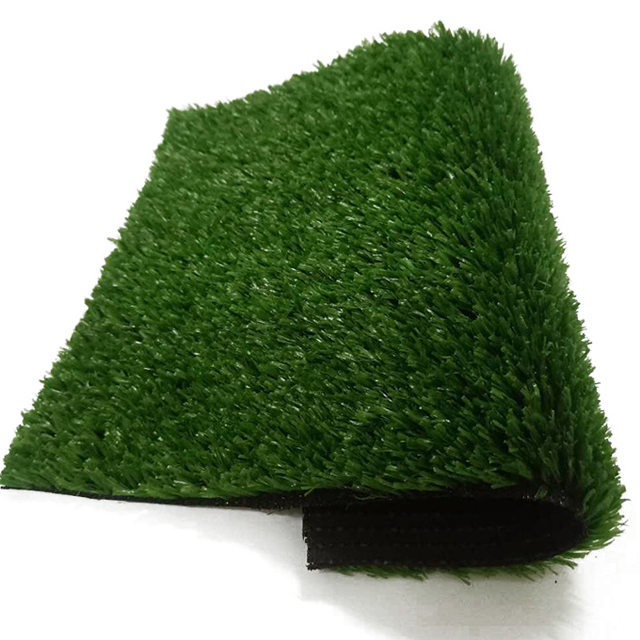
To keep your artificial grass looking vibrant and fresh for years, regular maintenance is essential. Here’s a guide on how to care for your lawn effectively.
Maintaining artificial grass is relatively simple, but it does require some routine practices. Start by brushing the grass regularly. Use a stiff-bristled broom or a specialized turf rake to lift the grass blades. Brushing helps prevent matting and keeps the grass looking lush. Aim to brush at least once a month, or more frequently in high-traffic areas.
In addition to brushing, it's important to clean debris from your artificial grass. Leaves, twigs, and other organic materials can accumulate and lead to mold or odors if left unattended. A leaf blower or a simple garden rake can help you keep the surface clean. For dirt or mud, a hose can be used to rinse the area, ensuring it stays pristine.
Regular inspections are crucial for identifying any signs of wear and tear. Look for areas where the grass may be thinning or where seams are coming apart. Catching these issues early can save you time and money in repairs later on. It’s a good practice to inspect your artificial grass at least twice a year, focusing on high-traffic zones and edges.
Even with regular maintenance, you may encounter some common issues with artificial grass. Stains from spills or pet accidents can happen. For minor stains, a mixture of mild soap and water can be used to clean the area. Simply apply the solution, scrub gently, and rinse thoroughly. For tougher stains, consider using a specialized turf cleaner.
Odors can also be a concern, especially if you have pets. Regular cleaning helps, but if odors persist, you might want to use an enzyme-based cleaner designed for artificial grass. These products break down organic materials, eliminating odors effectively.
Common Issue | Solution | When to Seek Help |
Stains | Mild soap and water, turf cleaner | If stains persist after cleaning |
Odors | Enzyme-based cleaner | If odors remain after cleaning |
Wear and Tear | Inspect and repair seams | If significant damage is visible |
If you notice persistent issues despite regular maintenance, it may be time to consider professional help. A professional cleaning service can deep clean your artificial grass, removing embedded dirt and odors. Additionally, if you find significant wear or damage, professionals can assess and repair any issues, ensuring your lawn remains in top condition.
By following these maintenance tips, you can enjoy a beautiful, functional artificial grass lawn for many years. Regular care not only enhances its appearance but also extends its lifespan, making it a worthwhile investment for your outdoor space.
A: Yes, artificial grass can be installed on slopes. Use a proper base to ensure drainage and prevent slipping. Secure the grass with adequate nails to maintain its position.
A: Installation typically takes 1 to 3 days, depending on the project size and complexity. Smaller areas can be completed quickly, while larger installations may require more time.
A: Yes, artificial grass is safe for pets and children. It is made from non-toxic materials and is designed to withstand wear and tear from play.
A: Costs include materials, labor, and maintenance. Prices vary based on grass type, installation area, and additional features like infill or drainage systems.
A: The lifespan of artificial grass typically ranges from 10 to 25 years, depending on usage, maintenance, and quality of the materials used.
A: Yes, many types of artificial grass can be recycled. Check with local recycling centers for options on disposing of old turf responsibly.
Installing artificial grass offers numerous benefits. It enhances your outdoor space, requires low maintenance, and is durable. The installation process involves preparation, laying the turf, and regular upkeep.
Consider artificial grass for your home or business. It provides a beautiful, functional solution for any area. For more information or assistance, feel free to reach out to us.


