
WhatsApp

close
Choose Your Site
Global
Social Media
Author: Site Editor Publish Time: 2025-12-18 Origin: Site


Have you ever wondered what makes a tennis grass court unique? The surface plays a crucial role in the game’s dynamics.
In this article, we’ll explore the definition and characteristics of tennis grass courts. We will also discuss their historical significance and how the surface impacts gameplay and player performance. You’ll learn about different types of tennis court surfaces and their advantages.
When it comes to tennis grass courts, several key features determine their quality and performance. Understanding these aspects can help players and facility managers make informed decisions about court construction and maintenance.
One of the primary considerations for a tennis grass court is its material composition. The most common materials used are polyethylene and polypropylene. These synthetic fibers are engineered for durability and resilience. They resist splitting under heavy foot traffic, ensuring the court remains functional and visually appealing.
Material | Characteristics | Benefits |
Polyethylene | Soft, flexible, and UV-resistant | Provides a comfortable playing surface |
Polypropylene | Stiffer and more durable | Excellent wear resistance and longevity |
These high-durability fibers not only enhance the playing experience but also reduce the frequency of replacements, making them a cost-effective choice over time. The right material can significantly impact how players interact with the surface.
The texture and design of a tennis grass court are crucial for gameplay. A uniform tuft gauge and density are essential for consistent ball bounce and speed. When the surface is uneven, it can lead to unpredictable ball behavior, affecting player performance.
● Importance of Uniformity: Consistent tuft density ensures that every part of the court behaves similarly. This uniformity helps players trust their shots, leading to better performance during matches.
The texture also impacts player movement. A well-designed surface allows for smooth transitions during play, enabling players to slide and pivot safely. The right texture can enhance grip without compromising speed, allowing for dynamic gameplay.
Infill plays a vital role in maintaining the integrity of a tennis grass court. Silica sand infill is commonly used to support the fibers, keeping them upright and providing stability. This infill helps to absorb shock, reducing the risk of injury and enhancing player comfort.
● Benefits of Silica Sand Infill:
○ Surface Integrity: It helps maintain the structure of the grass fibers, preventing them from flattening over time.
○ Safety: The infill provides a cushioning effect, which is crucial for protecting players' joints during intense matches.
In addition to these benefits, proper infill helps with drainage, allowing the court to dry quickly after rain. This feature ensures that games can resume promptly, regardless of weather conditions.
By focusing on these key features—material composition, surface texture, and infill compatibility—facility managers can create high-quality tennis grass courts that meet the needs of players and enhance their overall experience on the court.
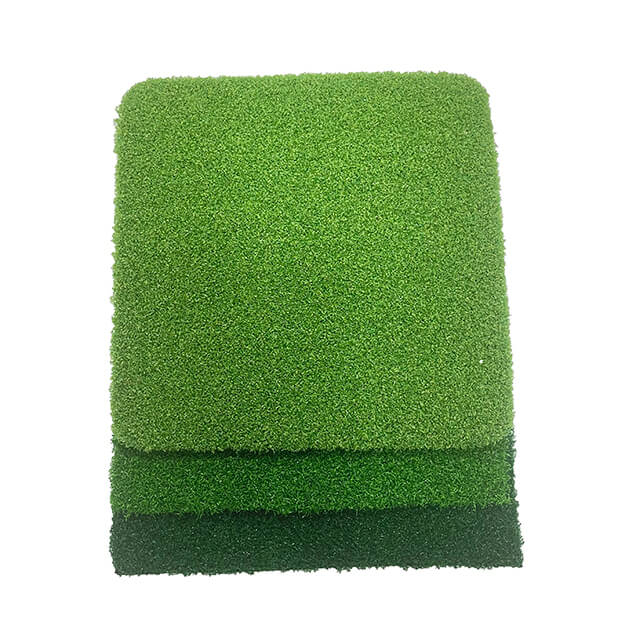
The surface of a tennis grass court significantly influences various performance factors, including ball dynamics, player movement, and overall safety. Understanding these elements can help players and coaches make better decisions about training and gameplay.
One of the most critical aspects of a tennis grass court is how the surface affects ball bounce and speed. The texture and material composition play a significant role in determining how consistently the ball behaves during play.
● Bounce Consistency: A well-maintained synthetic grass surface provides a more predictable bounce compared to natural grass. This predictability allows players to anticipate the ball's trajectory better, enhancing their performance.
● Speed Comparison: Synthetic grass courts typically offer a faster game speed than natural grass. The fibers are designed to promote quicker ball movement, which can benefit players who prefer a fast-paced game. Here's a quick comparison:
Surface Type | Ball Speed | Bounce Consistency |
Natural Grass | Moderate | Variable |
Synthetic Grass | Fast | High |
Customization is another vital factor in the performance of tennis grass courts. Players can choose fiber options tailored to their preferred game speed, ranging from medium-fast to fast.
● Customizable Fibers: These options allow players to create a surface that aligns with their playing style. For instance, a player who enjoys quick serves and volleys may benefit from a faster surface, while others may prefer a slower court for better control.
Desired Game Speed | Recommended Fiber Options | Performance Characteristics |
Medium-Fast | Standard Fibers | Balanced speed and control |
Fast | Low Pile Height | Quick ball movement |
The surface of the court also greatly impacts player movement and safety. A quality surface can enhance stability and reduce the risk of injuries.
● Stability and Joint Health: A well-designed tennis grass court provides excellent grip, allowing players to make quick turns and sudden stops without slipping. This stability is crucial for maintaining joint health, especially during intense matches.
● Importance of Grip and Elasticity: The right surface texture ensures players have enough grip to execute their moves while still allowing controlled sliding. This balance helps prevent injuries that often occur on less forgiving surfaces.
Synthetic grass surfaces excel in shock absorption, which is vital for player safety.
● Joint Injury Reduction: Unlike hard courts, which can be tough on the knees and ankles, synthetic fibers provide a cushioned feel. This cushioning effect minimizes the impact on joints, making it easier for players to perform at their best without worrying about injury.
Finally, the weather resistance of synthetic grass courts is a significant advantage.
● Withstanding Weather Conditions: Unlike natural grass, which can become muddy and unplayable after rain, synthetic surfaces are designed to drain quickly. This feature allows matches to continue even in less-than-ideal weather.
● Drainage Capabilities: Modern tennis grass courts often come equipped with advanced drainage systems, ensuring that water does not pool on the surface. This capability keeps the court playable and safe, regardless of the weather.
Weather Condition | Impact on Natural Grass | Impact on Synthetic Grass |
Heavy Rain | Becomes muddy and unplayable | Drains quickly, remains playable |
Hot Sun | Can dry out and crack | UV-resistant, maintains integrity |
Cold Weather | May freeze and become slippery | Remains stable and safe |
By focusing on these performance factors, players can better understand how the surface of a tennis grass court impacts their game. Choosing the right surface can enhance performance and safety, leading to a more enjoyable playing experience.
Maintaining a tennis grass court is crucial for ensuring optimal playing conditions. However, the maintenance requirements vary significantly between natural and synthetic grass surfaces. Understanding these differences can help facility managers make informed decisions.
Natural grass courts require regular upkeep to remain in peak condition. This includes frequent mowing, watering, and fertilizing. Each of these tasks is essential for promoting healthy grass growth and maintaining a playable surface.
● Mowing: Natural grass must be mowed regularly to keep it at the appropriate height for optimal play. This can involve mowing several times a week during peak growing seasons.
● Watering: Consistent watering is necessary, especially in dry climates. Natural grass requires about 1 to 1.5 inches of water weekly.
● Fertilizing: To promote healthy growth, natural grass courts need fertilization several times a year. This adds to the overall maintenance workload.
In contrast, synthetic grass courts offer a much simpler maintenance routine. Here’s a quick comparison of the two:
Maintenance Task | Natural Grass | Synthetic Grass |
Mowing | Required weekly | Not required |
Watering | Required regularly | Not required |
Fertilizing | Several times a year | Not required |
Overall Upkeep | High | Low |
One of the most significant advantages of synthetic grass is its low maintenance requirements. Unlike natural grass, synthetic surfaces do not need mowing, watering, or fertilizing, making them an attractive option for many facilities.
● Maintenance-Free Features: Synthetic grass is designed to withstand heavy use without the need for constant care. This durability means that facilities can focus on player experience rather than upkeep.
● Long-Term Cost Benefits: While the initial installation of synthetic grass may be higher, the long-term savings on maintenance costs can be substantial. Facilities save money on water bills, labor, and materials needed for upkeep.
Even though synthetic grass courts require less maintenance, it is essential to perform occasional upkeep to preserve their quality. Regular inspections can help identify any issues before they become significant problems.
● Eliminating Daily Care: Synthetic surfaces automatically maintain their appearance and functionality without daily care. This feature allows facilities to allocate resources elsewhere while still providing a high-quality playing surface.
● Preserving Surface Quality: Routine checks ensure that the court remains safe and playable. Addressing minor issues promptly can extend the lifespan of the surface, providing excellent value over time.
Maintenance Aspect | Natural Grass | Synthetic Grass |
Daily Care | Required for optimal play | Not required |
Long-Term Care | High commitment | Minimal commitment |
Surface Longevity | Variable, dependent on care | Long-lasting, low upkeep |
By understanding the maintenance considerations for tennis grass courts, facility managers can choose the appropriate surface type that aligns with their operational goals. Whether opting for natural or synthetic grass, proper maintenance ensures a safe and enjoyable playing experience for all athletes.
The customization and adaptability of tennis grass court surfaces play a crucial role in enhancing the overall player experience. By tailoring court surfaces to specific playing styles and environmental conditions, facilities can create optimal conditions for athletes.
Customization options for tennis grass courts are abundant, allowing facility managers to create surfaces that meet the needs of various players. Key aspects of customization include pile height and density.
● Pile Height: This refers to the length of the grass fibers. A shorter pile height may benefit players who prefer a faster game, while a taller pile can provide more control for those who like to play strategically.
● Density: The density of the grass affects how the ball bounces and interacts with the surface. Higher density can lead to a more consistent bounce, which is essential for competitive play.
Customization Feature | Impact on Gameplay | Ideal For |
Pile Height | Influences ball speed | Fast-paced players |
Density | Affects bounce consistency | Players requiring control |
These customization options not only enhance the player experience but also allow facilities to cater to different skill levels and playing styles.
For facilities looking for budget-friendly solutions, there are affordable options for temporary or basic coverage.
● Temporary Solutions: Some facilities may need a grass court for seasonal events or tournaments. In such cases, synthetic grass can provide a quick and economical solution without the commitment of permanent installation.
● Basic Coverage: Facilities can opt for lower-cost synthetic grass options that still offer durability and performance. These economical solutions can be particularly beneficial for community centers or schools with limited budgets.
Economic Option | Features | Best Use Case |
Temporary Synthetic Grass | Easy to install and remove | Seasonal events |
Basic Synthetic Grass | Cost-effective, decent performance | Community centers, schools |
By considering these economic options, facilities can provide quality playing surfaces without straining their budgets.
One of the standout features of synthetic grass is its adaptability to different climate conditions.
● Performance in Extreme Weather: Synthetic grass is designed to withstand harsh weather, including extreme heat and cold. Unlike natural grass, which can become muddy or dry out, synthetic surfaces maintain their playability regardless of the weather.
● Year-Round Usability: With synthetic grass, tennis courts can be used throughout the year. This feature is particularly advantageous for regions with unpredictable weather patterns, ensuring that players can enjoy their sport without interruption.
Climate Condition | Natural Grass Performance | Synthetic Grass Performance |
Extreme Heat | Can dry out and become unplayable | Maintains integrity and usability |
Heavy Rain | Becomes muddy and slippery | Drains quickly, remains playable |
Cold Weather | May freeze and become unsafe | Stable and safe for play |
By leveraging the customization and adaptability of tennis grass court surfaces, facilities can create environments that cater to diverse player needs and withstand varying weather conditions. This approach not only enhances player satisfaction but also maximizes the usability of the courts throughout the year.
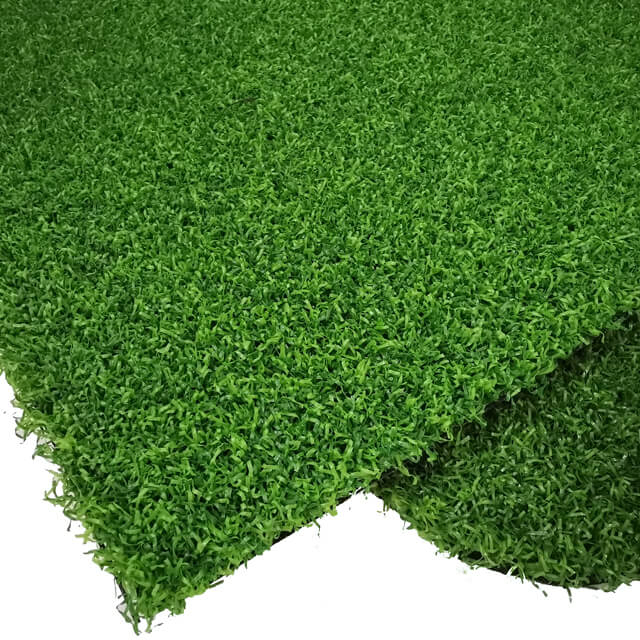
Examining real-world applications of tennis grass courts reveals their significant impact on players and communities. Successful installations, testimonials from athletes, and the global reach of these surfaces highlight their value in various settings.
Many renowned tennis facilities have successfully adopted synthetic grass, showcasing its benefits. For instance, the National Tennis Center in New York has integrated synthetic grass courts to enhance player experience and extend usage throughout the year.
● Example Facilities:
○ All England Club (home of Wimbledon) has experimented with synthetic grass for practice courts, emphasizing durability and performance.
○ Florida Tennis Center in Daytona Beach utilizes synthetic grass for its resilience against Florida's humid climate.
These installations demonstrate how synthetic grass can meet the demands of professional and recreational players alike.
Facility Name | Location | Surface Type | Key Benefits |
National Tennis Center | New York, USA | Synthetic Grass | Year-round playability |
All England Club | London, UK | Synthetic Grass (trial) | Enhanced durability and performance |
Florida Tennis Center | Daytona Beach, USA | Synthetic Grass | Weather resistance and low maintenance |
Feedback from players and coaches reinforces the advantages of synthetic grass courts. Many athletes appreciate the consistent bounce and speed provided by these surfaces, which can improve their overall performance.
● Player Insights:
○ “Playing on synthetic grass has changed my game. The ball response is predictable, allowing me to focus on my technique.” — A professional player.
● Coaches' Perspectives:
○ “We’ve seen fewer injuries since switching to synthetic grass. The surface provides better shock absorption, which is crucial for our young athletes.” — A youth coach.
These testimonials highlight how synthetic grass enhances not only performance but also player safety.
Tennis grass courts also play a vital role in community sports. Facilities that install synthetic grass often see increased participation in local tennis programs and events.
● Community Contribution:
○ Local clubs with synthetic grass courts can host tournaments, attracting players from surrounding areas and boosting community engagement.
● Event Hosting:
○ Synthetic surfaces allow for the organization of various events, from junior tournaments to adult leagues, providing a versatile playing environment.
Community Impact | Benefit | Example Events |
Increased Participation | More players engage in tennis | Local leagues and community tournaments |
Hosting Tournaments | Attracts players and spectators | Junior championships, adult leagues |
The global presence of synthetic grass is expanding, with companies like XiHY exporting their products to various markets worldwide.
● Overview of XiHY’s Global Presence:
○ XiHY has established itself in multiple countries, providing high-quality synthetic grass solutions tailored to local needs.
● Export Markets:
○ Regions such as Europe, North America, and Asia have embraced synthetic grass for tennis courts, highlighting its versatility and appeal across different climates.
Region | Market Presence | Key Features of Synthetic Grass |
Europe | Strong demand for durable surfaces | Weather-resistant, low maintenance |
North America | Popular for both recreational and professional use | Consistent performance, injury reduction |
Asia | Growing interest in community sports | Adaptable to various climates |
These case studies and real-world applications illustrate the vital role of tennis grass courts in enhancing player experiences, supporting community engagement, and achieving global reach. As more facilities adopt these surfaces, the benefits will continue to resonate within the tennis community.
The surface of tennis grass courts plays a vital role in performance and player experience. Key points include the benefits of customization, low maintenance, and adaptability to various conditions.
Looking ahead, innovations in surface technology promise even better performance. The growing trend of synthetic grass usage in tennis indicates a bright future for the sport. Facilities can enhance player satisfaction while promoting community engagement through these advancements.
A: Natural grass requires regular maintenance, while synthetic grass offers low upkeep and consistent performance.
A: Consider factors like player preferences, climate, and maintenance costs when selecting a surface.
A: Synthetic grass provides durability, year-round usability, and reduced injury risk due to better shock absorption.
A: Yes, synthetic grass is versatile and can be used for sports like soccer, field hockey, and more.
A: A well-maintained synthetic grass court can last 10 to 15 years or more.
A: Customization includes pile height, density, and color to suit different playing styles and preferences.


