
WhatsApp

close
Choose Your Site
Global
Social Media
Author: Site Editor Publish Time: 2025-10-28 Origin: Site


Are you tired of maintaining a natural lawn? Artificial grass offers a low-maintenance alternative that’s gaining popularity. But, it's not without challenges. In this post, you’ll learn about the top 11 common problems with artificial grass and how to solve them effectively.
Selecting the right artificial grass is crucial. Different types suit different needs. Sports turf, for example, needs to withstand heavy use and impacts. Landscape turf focuses more on appearance and comfort. Pet turf requires durability and odor control. Knowing these distinctions helps avoid costly mistakes.
Artificial grass comes in many varieties. Each type varies in:
● Pile height: Taller fibers look lush but may be less durable.
● Fiber texture: Some feel softer; others are tougher.
● Color: Shades vary from bright green to natural hues.
● Backing: Some have permeable backing for drainage; others do not.
For sports fields, choose turf designed to absorb impacts and resist wear. For gardens or patios, softer, more natural-feeling turf works well. Pet-friendly turf often includes antimicrobial properties to reduce odors.
Several factors influence your choice:
● Usage: Will kids play, or will pets roam? Heavy foot traffic needs tougher turf.
● Location: Shady areas may require turf that resists mold or mildew.
● Maintenance: Some turf types need more upkeep than others.
● Budget: Higher quality turf usually costs more but lasts longer.
● Drainage: Proper drainage backing prevents water pooling.
Measure your area accurately to avoid buying too little or too much. Also, consider local climate and sunlight exposure, which affect turf performance.
Before buying, request samples from suppliers. Feeling the texture and seeing the color in your environment helps decision-making. Consulting experts can clarify which turf suits your project best. Many reputable suppliers offer free samples and professional advice.
Samples also help check for batch consistency, ensuring color matches across rolls. This prevents noticeable differences after installation.
Color differences in artificial grass often come from batch inconsistencies. Even if the same product series, rolls made at different times may show slight shade variations. This happens because raw materials and dye mixes can vary slightly between production runs. Also, how the grass fibers reflect light affects color perception. Fibers standing upright reflect light differently than those lying flat, causing some areas to appear lighter or darker.
Another cause is uneven fiber orientation during manufacturing. If some fibers lay in different directions, the surface may look striped or blotchy. Improper mixing of colorants during production can also cause uneven coloring, creating visible streaks or patches.
Wrinkles in artificial grass usually result from improper storage or installation. During shipping, turf rolls get compressed and folded, causing creases. Installing the grass immediately without preparation can lock in these wrinkles.
To prevent wrinkles:
● Buy all the turf needed in one order to ensure batch consistency.
● When the rolls arrive, unroll the turf and lay it flat in direct sunlight for several hours. The warmth relaxes fibers and backing, allowing wrinkles to smooth out naturally.
● Use weights or gentle foot traffic to help the turf settle evenly.
● Ensure the base beneath the turf is level and compacted. Uneven surfaces cause the grass to crease or bubble.
● When installing, stretch the turf tightly and secure seams and edges properly to avoid folds.
If wrinkles appear after installation, sunlight exposure and gentle stretching usually help. For stubborn wrinkles, carefully lifting the turf and re-laying it on a properly prepared base may be necessary.
Batch consistency is critical for a uniform appearance. Purchasing all turf at once reduces the risk of color mismatch. If multiple batches are used, differences in dye lots or fiber materials can create noticeable color breaks. This is especially important for large areas where seams between rolls are visible.
Requesting samples before purchase helps verify color match. Suppliers often recommend ordering a little extra turf from the same batch to allow for cutting errors or future repairs. Keeping batch numbers handy ensures replacements or additions match perfectly.
A smooth lawn surface is essential for both the appearance and safety of your artificial grass. Uneven surfaces cause the turf to look bumpy and unnatural. They also create trip hazards, especially for children and elderly people. Proper installation prevents puddles from forming after rain, which can lead to drainage problems and damage over time. The key to a flawless lawn is ensuring the base is well-prepared and compacted before laying the grass.
Compacting the base is one of the most critical steps in installation. The base typically consists of crushed stone or aggregate, which must be evenly spread and firmly compacted to create a solid foundation. Use a vibrating plate compactor to compress the base thoroughly. This machine vibrates and presses down the material, eliminating air pockets and preventing future settling that causes bumps.
Steps for effective base compaction:
● Excavate the area to the required depth.
● Lay down a layer of crushed stone or aggregate.
● Spread the material evenly using a rake.
● Compact the base with a vibrating plate compactor.
● Check for levelness and add or remove material as needed.
● Repeat compaction until the base is firm and flat.
A well-compacted base supports the turf evenly, preventing wrinkles and bumps.
Even with a smooth base, poorly secured seams and edges can cause unevenness. Seams are where two pieces of turf meet, and edges are the borders of your lawn. If these are loose, the grass can shift or lift, creating visible ridges or gaps.
Tips for securing seams and edges:
● Use turf nails or staples every 1 to 2 feet along seams and edges.
● Stretch the turf tightly before fixing to avoid slack.
● Apply adhesive tape or glue designed for artificial grass on seams for a seamless look.
● Trim edges carefully to fit your lawn shape precisely.
● Press edges firmly against borders or edging materials.
Properly secured seams and edges keep the turf flat and stable, enhancing durability and aesthetics.
Visible seams can spoil the natural look of artificial grass, drawing unwanted attention to the joints where turf pieces meet. Properly joining seams is essential for a seamless, professional finish that enhances your lawn's appearance and longevity.
Hiring experienced installers is the safest way to avoid visible seams. Professionals have the right tools, materials, and know-how to join turf flawlessly. They understand how to align fibers, apply adhesives, and secure seams tightly.
If you prefer a DIY approach, be prepared to invest time learning proper techniques and obtaining quality materials. Poorly joined seams can cause turf edges to lift, gaps to appear, or unsightly lines to show, which may require costly repairs later.
Whether hiring pros or doing it yourself, follow these key steps for seamless joints:
1. Prepare the edges: Remove any manufacturing edge strips or extra backing next to the stitching. This reduces bulk and allows turf pieces to butt closely together.
2. Position seaming tape: Use self-adhesive seaming tape beneath the joint area, sticky side down. The tape should run along the entire seam length.
3. Align the turf pieces: Butt the turf edges tightly together over the tape. Ensure the grass fibers from both sides blend naturally without overlapping or gaps.
4. Press down firmly: Starting at one end, slowly press the turf edges onto the tape, smoothing as you go. Avoid damaging or burying grass tufts.
5. Secure edges: Use turf nails or staples every 12-24 inches along the seam for extra hold.
6. Trim excess fibers: If needed, carefully trim fibers at the seam edges to blend the joint invisibly.
To complete the job well, gather these essentials:
● Self-adhesive seaming tape: Designed specifically for artificial grass seams.
● Turf adhesive or glue: For added bonding strength on seams.
● Utility knife: Sharp blade for trimming edges cleanly.
● Turf nails or staples: To secure seams and edges firmly.
● Seam roller or heavy roller: Helps press turf into adhesive and tape evenly.
● Measuring tape and chalk line: For precise alignment and straight seams.
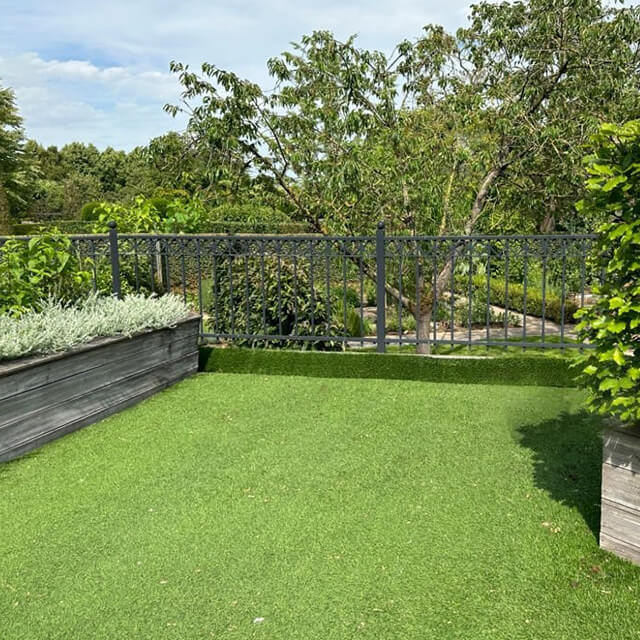
Weeds poking through artificial grass can be frustrating. Although artificial turf is designed to reduce weed problems, some weeds still manage to grow through drainage holes or along edges. Managing weed growth effectively keeps your lawn looking pristine and reduces maintenance time.
One of the best defenses against weeds is installing a weed barrier membrane beneath the artificial grass during installation. This membrane acts as a physical barrier, blocking weed roots from growing up through the soil and turf.
● Choose a high-quality membrane: Look for membranes made from durable, permeable materials that allow water to drain while preventing weed penetration.
● Proper installation: Lay the membrane flat and overlap seams by at least 6 inches to ensure complete coverage.
● Secure the membrane: Use landscaping staples or pins to hold it firmly in place before laying the base and turf.
This step greatly reduces the chance of weeds sprouting and saves you time on future weed control.
Even with a weed barrier, some weeds may appear along edges or in spots where the membrane is damaged or absent. Follow these maintenance tips:
● Regular inspection: Check edges, seams, and drainage holes for any weed growth.
● Remove weeds promptly: Pull weeds by hand or use a weed killer safe for artificial grass. Avoid harsh chemicals that could damage the turf.
● Keep the turf clean: Remove leaves, debris, and organic matter that can create a fertile environment for weeds.
● Edge treatment: Apply weed control treatments around borders where soil is exposed.
Routine maintenance helps keep your artificial lawn weed-free and looking great.
If weeds persist despite preventive measures, consider these solutions:
● Reapply weed barrier: If the membrane is damaged or worn, lift the turf and replace or patch the barrier.
● Use natural weed control: Vinegar-based sprays or boiling water can kill weeds without harming the turf.
● Improve base compaction: A tightly compacted base reduces spaces where weed seeds can settle and germinate.
● Consult professionals: For severe infestations, professional landscaping services can provide targeted treatments and advice.
Addressing weed issues early prevents them from spreading and keeps your artificial grass lawn in top condition.
Artificial grass is a fantastic solution for pet owners, but pet odors can be a common concern. Urine left on the turf too long causes unpleasant smells and can lead to bacteria buildup. Fortunately, several steps help manage and eliminate these odors effectively.
Prompt cleanup is key to controlling pet odors on artificial grass:
● Remove solid waste quickly: Scoop or pick up pet poop immediately to prevent staining and odor.
● Rinse urine areas: Use a hose to flush urine from the turf regularly. Water dilutes urine and washes away odor-causing compounds.
● Use mild cleaning solutions: Mix equal parts white vinegar and water in a spray bottle. Spray urine spots, let sit 15 minutes, then rinse. Vinegar neutralizes ammonia odors naturally.
● Avoid harsh chemicals: Strong cleaners can damage turf fibers or backing and may be harmful to pets.
● Regular brushing: Use a stiff broom or brush to lift fibers and improve airflow, helping odors dissipate.
● Disinfect occasionally: Use pet-safe disinfectants designed for artificial turf to reduce bacteria.
Frequent maintenance keeps your lawn fresh and prevents odors from becoming a problem.
Some artificial grass products are specifically designed for pets, offering enhanced odor control features:
● Antimicrobial fibers: These contain agents that inhibit bacteria and mold growth, reducing odor sources.
● Permeable backing: Allows urine to drain quickly through the turf, preventing pooling and lingering smells.
● Durable fibers: Pet turf is tougher and resists damage from scratching or digging.
● Odor-resistant infill: Some pet turfs use infill materials treated to neutralize odors.
Choosing pet-specific turf helps minimize odor and extends the life of your lawn.
If you already have artificial grass and face odor issues, try these easy home remedies:
● Baking soda: Sprinkle baking soda over urine spots, let sit for 30 minutes, then rinse. Baking soda absorbs odors effectively.
● Enzyme cleaners: Pet enzyme cleaners break down urine molecules and neutralize smells. Use as directed, ensuring compatibility with artificial turf.
● Sunlight exposure: UV rays help kill bacteria and reduce odors naturally. Let your turf get direct sunlight when possible.
● Improve drainage: Check that your turf drains well. Poor drainage traps urine and worsens odors. Adjust base layers or add drainage holes if needed.
These simple steps make your artificial lawn more pleasant for pets and family.
Tip: For pet owners, choose artificial grass with antimicrobial fibers and a permeable backing, and maintain regular cleaning using mild vinegar solutions to effectively control pet odors and keep your lawn fresh.
Artificial grass is typically made from polyethylene (PE) or polypropylene (PP) fibers, materials that absorb and retain heat when exposed to sunlight. This can cause the surface temperature of synthetic turf to rise significantly, sometimes reaching levels uncomfortable to walk on barefoot, especially during hot summer days. Unlike natural grass, which cools itself through transpiration, artificial grass lacks this natural cooling process, making heat buildup a common concern.
Several factors influence heat absorption:
● Fiber color: Darker shades absorb more heat than lighter or variegated colors.
● Pile density and height: Denser turf can trap more heat.
● Backing material: Some backings retain heat more than others.
● Sun exposure: Direct, strong sunlight increases surface temperature.
Understanding these factors helps in choosing and managing artificial grass to reduce heat discomfort.
Several practical methods reduce heat buildup on artificial lawns:
● Water cooling: Spraying water on the turf temporarily lowers surface temperature. This is simple but requires regular application during hot spells.
● Shade structures: Installing pergolas, umbrellas, or trees provides shade, reducing direct sunlight on the turf.
● Cooling infills: Some infill materials, like coated sand or organic infills, reflect sunlight better and reduce heat retention.
● Misting systems: Automated misting sprays lower temperature continuously, ideal for commercial or large residential lawns.
● Reflective coatings: Certain products apply a reflective layer on the turf fibers to reduce heat absorption.
● Regular brushing: Fluffing the fibers improves air circulation, which can help dissipate heat.
These techniques vary in cost and effectiveness but can significantly improve comfort on hot days.
Selecting artificial grass designed for heat resistance is a proactive way to mitigate heat problems:
● UV inhibitors: High-quality turf includes UV stabilizers that prevent fiber degradation and reduce heat absorption.
● Light-colored fibers: Grass with lighter or mixed green shades reflects more sunlight, keeping temperatures down.
● Specialized product lines: Some manufacturers offer "cool grass" series engineered for lower heat retention using advanced fiber technology and materials.
● Permeable backing: Allows heat and moisture to escape, improving cooling.
● Fiber texture: Some fibers have a matte finish that reflects less heat compared to shiny fibers.
When purchasing, ask suppliers about heat-resistant features and request samples to test surface temperature in your local climate.
Artificial grass faces common issues like color differences, heat absorption, and pet odors. Proper installation and maintenance, such as securing seams, using weed barriers, and choosing heat-resistant options, solve these problems. Long-term benefits include a pristine lawn with reduced upkeep and enhanced durability. Prospective owners are encouraged to consider artificial grass for its value and convenience. Qingdao XiHY Artificial grass offers high-quality products with unique features, ensuring a beautiful, hassle-free lawn experience.
A: Artificial grass comes in various types tailored for specific needs, such as sports turf for durability, landscape turf for aesthetics, and pet turf with odor control features.
A: To prevent color differences, purchase all turf at once from the same batch, and lay it flat in the sun before installation to ensure uniformity.
A: Proper base compaction ensures a smooth surface, preventing bumps and wrinkles, while enhancing the appearance and safety of your artificial grass lawn.
A: Install a high-quality weed barrier membrane beneath the turf and regularly inspect edges for weeds, removing them promptly to maintain a pristine lawn.
A: Choose pet-specific turf with antimicrobial fibers and permeable backing, and clean regularly using mild solutions like vinegar to control odors effectively.


