
WhatsApp

close
Choose Your Site
Global
Social Media
Author: Site Editor Publish Time: 2026-02-13 Origin: Site


Have you ever wondered how to keep your backyard beautiful while saving water? With increasing droughts and water shortages, conserving water in landscaping is more important than ever.
In this article, we’ll explore seven innovative water-wise ideas for your backyard landscaping. By implementing these strategies, you can create a stunning outdoor space that thrives sustainably. Join us as we uncover practical tips to enhance your garden while protecting our precious water resources.
Backyard landscaping involves designing and enhancing outdoor spaces to create functional and aesthetically pleasing environments. It’s not just about planting grass and flowers; it’s about crafting a space that reflects personal style while serving practical purposes.
Key aspects of backyard landscaping include:
● Design Elements: These can range from plant selection to hardscaping features like patios and walkways.
● Functional Areas: Consideration of spaces for relaxation, entertainment, or gardening.
● Aesthetic Appeal: The visual harmony of colors, textures, and shapes that complement the home.
Different styles of backyard landscaping cater to various tastes. Some popular approaches include:
● Traditional: Characterized by symmetry, classic plant choices, and structured layouts.
● Modern: Focuses on clean lines, minimalism, and often incorporates sustainable materials.
● Naturalistic: Emphasizes native plants and a more organic look, blending seamlessly with the surrounding environment.
Water scarcity is a pressing issue affecting many regions worldwide. As populations grow and climates change, the demand for water increases, putting pressure on our natural resources. This is where water-wise landscaping plays a crucial role.
Impact of Water Scarcity on Landscaping:
● Increased Costs: Higher water bills can strain household budgets.
● Plant Health: Insufficient water can lead to stressed plants, making them more susceptible to pests and diseases.
● Environmental Stress: Overuse of water can deplete local water sources, leading to ecological imbalances.
Benefits of Water-Wise Landscaping:
Implementing water-wise practices in backyard landscaping offers numerous advantages:
● Cost Savings: Reduced water usage leads to lower utility bills.
● Sustainability: Using drought-tolerant plants and efficient irrigation systems conserves water.
● Enhanced Property Value: Well-designed landscapes are appealing to buyers, increasing property value.
Here are some effective strategies to incorporate water conservation into your backyard landscaping:
● Choose Native Plants: Native species require less water and are better adapted to local conditions.
● Install Efficient Irrigation Systems: Drip irrigation delivers water directly to plant roots, minimizing waste.
● Use Mulch: Applying mulch helps retain soil moisture and reduces the need for frequent watering.
Water-Wise Strategies | Benefits |
Native Plants | Low water requirements |
Drip Irrigation | Targeted watering |
Mulching | Moisture retention |
By focusing on these water-wise landscaping techniques, you not only enhance the beauty of your backyard but also contribute to environmental sustainability. Companies like XiHY offer high-quality artificial grass products that can further reduce water usage while maintaining a lush, green appearance year-round. This approach not only beautifies your space but also aligns with the growing need for responsible water management.
Incorporating these ideas into your backyard landscaping can lead to a more sustainable and enjoyable outdoor space.
Hydrozoning is a strategic landscaping technique that involves grouping plants according to their water requirements. This method not only conserves water but also promotes healthier plant growth by ensuring that each group receives the appropriate moisture level.
Benefits of hydrozoning include:
● Reduced Water Usage: By watering plants with similar needs together, you minimize waste and enhance irrigation efficiency.
● Improved Plant Health: Plants thrive when they receive the right amount of water, reducing stress and susceptibility to diseases and pests.
● Simplified Maintenance: Managing irrigation schedules becomes easier when plants are grouped by their needs, saving time and effort.
Tips for selecting plants:
● Research Local Flora: Identify plants that naturally grow in your area and have similar moisture needs. Local nurseries often provide helpful insights.
● Consider Sun Exposure: Group plants by their sunlight requirements to ensure optimal growth conditions. For example, sun-loving plants should be placed in areas with full sun, while shade-tolerant plants thrive in protected spots.
● Soil Type Matters: Match plants with similar soil preferences to enhance their health. Some plants prefer sandy soil, while others thrive in clay or loamy conditions.
Example plant combinations:
● Low-water zone: Lavender, succulents, and ornamental grasses are excellent choices for arid conditions, providing color and texture without heavy irrigation.
● Moderate-water zone: Daylilies, salvia, and coreopsis thrive with regular watering but are still relatively drought-tolerant, making them versatile options.
Incorporating native species into your backyard landscaping is a sustainable practice that offers numerous benefits. Native plants are adapted to local climates and require less water, making them ideal for water-wise landscaping.
Why prioritize native plants?
● Lower Maintenance Needs: Native plants typically require less care, leading to reduced labor and costs. They are well-suited to local conditions and often thrive without additional fertilizers or pesticides.
● Support Local Ecosystems: Native plants provide habitats for local wildlife, including pollinators like bees and butterflies, which are essential for a healthy ecosystem.
● Resilience: Native plants are naturally resistant to local pests and diseases, reducing the need for chemical treatments and promoting biodiversity.
Popular native and drought-tolerant plants:
● Western US: California poppy, sagebrush, and manzanita are stunning options that thrive in dry conditions.
● Eastern US: Black-eyed Susan, butterfly weed, and purple coneflower are vibrant choices that attract pollinators and require minimal water.
● Southern US: Bluebonnet, yucca, and lantana provide color and texture while being well-adapted to heat and drought.
Drip irrigation is a highly efficient method of watering that delivers water directly to the roots of plants. This targeted approach minimizes evaporation and runoff, ensuring that your plants receive the moisture they need without waste.
How it works:
● A network of tubing and emitters distributes water directly to the soil surface, allowing for precise watering.
● Systems can be automated to adjust watering schedules based on weather conditions, ensuring optimal moisture levels.
Benefits of drip irrigation:
● Water Efficiency: Typically uses 30-50% less water than traditional sprinkler systems, making it an eco-friendly choice.
● Promotes Healthy Root Systems: Provides consistent moisture, encouraging deep root growth and reducing the risk of overwatering.
Step-by-step guide to setting up:
1. Plan Your Layout: Draw a map of your garden to determine where plants are located and how much water they need. This will help you design a system that meets your garden's specific requirements.
2. Install the Main Line: Lay down the main tubing along your garden beds, ensuring it reaches all areas that need watering.
3. Connect Emitters: Attach emitters to the tubing, placing them near the base of each plant to deliver water directly to the roots.
4. Test the System: Run the system to check for leaks and ensure even water distribution. Adjust emitter flow rates as needed to match plant requirements.
Hardscaping involves incorporating non-plant elements into your landscape design, such as patios, pathways, and stone features. This approach can significantly reduce the lawn area, which in turn lowers overall water needs and maintenance.
Ideas for hardscaping:
● Create Functional Pathways: Use gravel, pavers, or flagstone to create attractive and functional walking paths. These can guide visitors through your garden while reducing muddy areas.
● Add Decorative Stone Features: Incorporate boulders or decorative rocks to enhance visual interest and create focal points in your landscape.
● Build Raised Beds: Use stone or wood to create raised garden beds that improve drainage and reduce water usage. Raised beds can also make gardening easier and more accessible.
Benefits of hardscaping:
● Reduces Lawn Maintenance: Less grass means less mowing, watering, and fertilizing, freeing up your time for other activities.
● Enhances Visual Appeal: Hardscaping adds structure and beauty to your landscape, making it more inviting and enjoyable for outdoor activities.
Mulch is an essential tool for conserving soil moisture and improving the health of your garden. It acts as a barrier, reducing evaporation and keeping soil temperatures stable.
Types of mulch:
● Organic Mulch: Includes wood chips, straw, and grass clippings, which decompose over time and enrich the soil with nutrients.
● Inorganic Mulch: Options like gravel or landscape fabric provide long-lasting coverage without breaking down, helping to suppress weeds.
Tips for applying mulch:
● Apply a Layer: Aim for a thickness of 2-4 inches around plants to effectively retain moisture. This layer helps insulate the soil and maintains a consistent temperature.
● Keep Away from Stems: Avoid piling mulch against plant stems to prevent rot and fungal diseases.
● Replenish Regularly: Organic mulch will break down over time, so refresh it annually to maintain its effectiveness.
Smart irrigation controllers are an innovative solution for efficient watering. These devices adjust watering schedules based on real-time weather data, ensuring plants receive optimal moisture without overwatering.
Benefits of smart controllers:
● Optimize Water Usage: Automatically adjusts to rainfall and temperature changes, saving water and reducing utility costs.
● Reduce Overwatering Risks: Helps prevent plant stress and promotes healthier growth by delivering the right amount of water at the right time.
Recommendations for popular systems:
● Rachio Smart Sprinkler Controller: Offers customizable schedules and weather-based adjustments, compatible with various home automation systems.
● RainMachine Touch HD: Features a user-friendly interface and Wi-Fi connectivity for remote control, allowing you to manage your irrigation from anywhere.
● Orbit B-hyve Smart WiFi Sprinkler Timer: An affordable option with app integration for easy management, making it accessible for all homeowners.
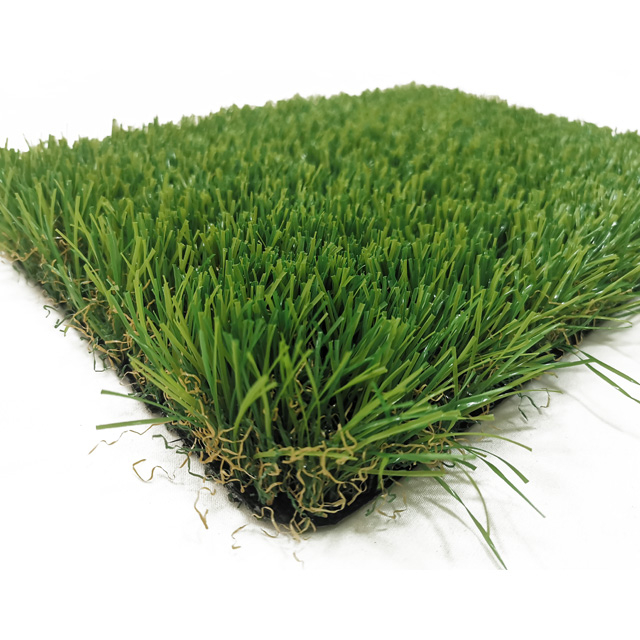
Artificial grass, such as XiHY's Economic Artificial Grass Roll, provides a lush, green appearance without the need for watering or mowing. This option is perfect for areas where natural grass struggles to thrive due to poor soil or lack of sunlight.
Benefits of artificial grass:
● Drastically Reduces Water Usage: Requires no irrigation, making it an eco-friendly choice that conserves water resources.
● Minimal Maintenance: No need for mowing, fertilizing, or pest control, saving time and money while keeping your yard looking pristine.
Comparison with natural grass:
Feature | Artificial Grass | Natural Grass |
Water Usage | None | Requires regular irrigation |
Maintenance | Low | High |
Lifespan | 15-25 years | 1-10 years |
Appearance | Consistent and lush | Seasonal variations |
Tips for installation:
● Prepare the Ground: Remove existing grass and debris to create a smooth surface for installation.
● Lay Down a Weed Barrier: This prevents weeds from growing through the artificial grass, ensuring a clean look.
● Secure Edges and Seams: Ensure a polished look by properly securing all edges, using adhesive or landscape staples as needed.
By integrating these seven water-wise ideas into your backyard landscaping, you can create a beautiful, sustainable outdoor space that conserves water and enhances your property’s value. Each of these strategies contributes to a greener environment while allowing you to enjoy a vibrant landscape that thrives throughout the seasons.
In summary, the seven water-wise ideas for backyard landscaping include hydrozoning, prioritizing native plants, installing drip irrigation, embracing hardscaping, using mulch, upgrading to smart irrigation controllers, and considering artificial grass.
By adopting these sustainable practices, you can create a beautiful and eco-friendly outdoor space. Start implementing these ideas in your own backyard today for a greener future!
A: Native and drought-tolerant plants, such as lavender, succulents, and black-eyed Susans, are ideal.
A: Implement hydrozoning, use mulch, and install a drip irrigation system to minimize water waste.
A: Costs vary, but a basic system typically ranges from $500 to $2,000, depending on the size.
A: Yes, artificial grass is suitable for various climates and requires no watering.
A: Watering frequency depends on plant types and climate, but generally, once a week is sufficient.


