
WhatsApp

close
Choose Your Site
Global
Social Media
Author: Site Editor Publish Time: 2026-06-23 Origin: Site


Every homeowner desires a perfectly green, lush yard. Yet, achieving this perfection often feels impossible against rising water bills and exhausting weekend chores. The constant cycle of mowing, watering, and fertilizing drains both your time and your wallet. You might consider synthetic alternatives to reclaim your weekends. However, the high upfront price tags and conflicting online opinions often cause serious hesitation. It becomes difficult to separate genuine long-term value from aggressive marketing claims.
This article provides an objective, data-backed financial analysis to guide your landscaping decisions. We exclude the typical sales pitch and focus on real-world outcomes. You will explore installation costs, maintenance realities, and common implementation risks. We will help you determine if this property upgrade aligns with your budget and lifestyle. Remember, synthetic turf is not a universal solution for every property. It serves as a highly strategic landscaping asset for specific use cases.
Upfront installation costs are high, but the financial breakeven point typically occurs between 4 to 7 years through reduced utility and maintenance bills.
Modern synthetic turf requires low maintenance, not zero maintenance (routine brushing and rinsing are still necessary).
The primary risks of dissatisfaction stem from improper sub-base drainage and trapped pet odors, both preventable during installation.
Strategic placement (e.g., front yards, deep shade, high-traffic dog runs) yields a higher return on investment than whole-property replacement.
Evaluating artificial grass for home lawns requires a close look at your long-term budget. Many homeowners experience sticker shock during the initial quoting phase. However, analyzing the true return on investment changes the perspective. You must weigh the upfront capital expenditure against drastic reductions in future operating costs.
Professional installation typically ranges between $8 and $15 per square foot. Many buyers mistakenly believe they are just paying for the plastic grass. In reality, the synthetic fibers represent only a fraction of your invoice. Ground preparation accounts for 50% or more of the total project cost. Installation crews must excavate three to four inches of native soil. They install heavy-duty weed barriers and compact layers of crushed rock to build a permeable sub-base. Cutting corners on this foundation guarantees premature lawn failure. You must budget for comprehensive earthwork to ensure a successful project.
Once installed, the financial dynamic shifts entirely. You eliminate costly monthly expenses associated with natural grass. Your water usage drops significantly, especially during peak summer months. You no longer need to purchase gas or electricity for lawnmowers and trimmers. Seasonal expenses for fertilizers, pesticides, and core aeration vanish. If you currently pay professional landscaping crews for weekly maintenance, keeping that money in your pocket accelerates your savings rapidly.
We can establish a realistic mathematical framework to measure your investment. For most suburban properties, cumulative savings surpass the initial installation cost within four to seven years. If you live in an area with high water tariffs, your breakeven point arrives much sooner. Once you cross this threshold, your lawn generates thousands of dollars in positive financial return over its 15 to 20-year lifespan.
The Annual Operating Costs Comparison illustrates the dramatic shift in yearly expenditures for an average 1,000-square-foot lawn.
Expense Category | Natural Grass (Annual) | Synthetic Turf (Annual) |
|---|---|---|
Water Usage | $400 - $800 | $10 - $20 (Occasional rinsing) |
Fertilizer & Chemicals | $150 - $300 | $0 |
Mowing & Edging (DIY Fuel/Equipment) | $100 - $250 | $0 |
Professional Landscaping Fees | $1,200 - $2,400 | $0 |
Infill Top-up & Brushing | $0 | $50 - $100 |
Drought-resistant landscaping strongly influences curb appeal and potential resale value. In water-restricted regions, buyers actively seek homes with sustainable yards. They value the immediate utility savings and predictable aesthetic. In traditional markets with abundant rainfall, the impact remains positive but less pronounced. The pristine, year-round green facade creates a strong first impression for potential buyers regardless of the regional climate.
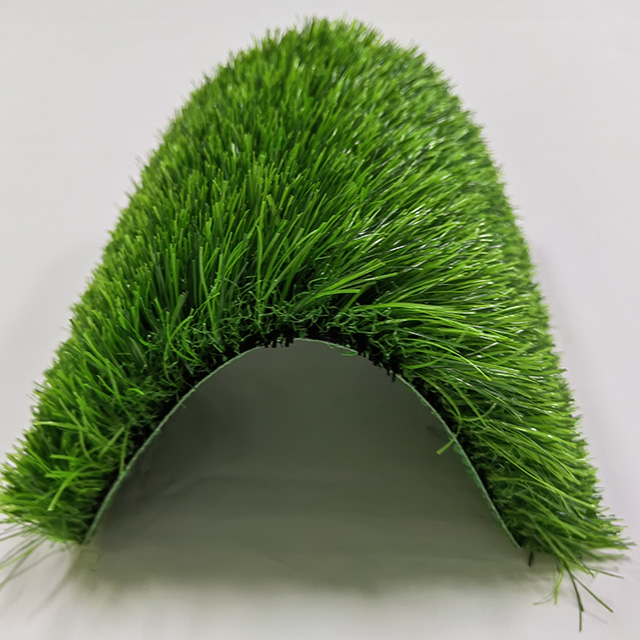
Making an informed decision requires looking past the glossy brochures. Artificial lawn landscaping presents distinct outcome-focused advantages, but it also carries undeniable environmental and practical limitations. We must examine both sides to set accurate expectations.
The immediate aesthetic benefits stand out clearly. You gain year-round consistency regardless of weather patterns or municipal watering restrictions. The grass stays vividly green during scorching August droughts and freezing January mornings.
Furthermore, synthetic lawns eliminate toxic yard chemicals. You no longer need to spread synthetic fertilizers, herbicides, or pesticides near your children and pets. This creates a safer, more predictable outdoor play environment. You also eradicate mud tracking into your house. Wet seasons usually turn high-traffic areas into muddy swamps, but synthetic surfaces drain cleanly. Your floors stay clean, and your dog's paws remain mud-free.
Despite the functional benefits, we must acknowledge the physical limitations of plastic materials. Thermal retention poses the biggest challenge. Synthetic fibers absorb heat efficiently. In direct summer sun, the surface will feel significantly hotter to the touch than natural grass. You cannot walk barefoot on sun-baked turf without discomfort during peak afternoon hours.
You must also weigh the environmental trade-offs. You drastically reduce water consumption and chemical runoff, which benefits local ecosystems. However, the manufacturing process relies on petroleum-based plastics. Installing an impermeable or semi-permeable plastic layer also causes a localized reduction in soil biodiversity beneath the yard.
Finally, end-of-life disposal presents a logistical challenge. High-quality installations last 15 to 20 years. Once the fibers degrade, recycling the heavy polyurethane backing remains difficult. Most old turf currently ends up in local landfills. Industry recycling programs are improving, but they remain limited in availability.
Many contractors sell the dream of a completely effortless yard. This aggressive marketing creates unrealistic homeowner expectations. We must bust the "zero maintenance" myth immediately. If you want a truly low maintenance artificial lawn, you still need to perform periodic upkeep. Neglected synthetic turf accumulates organic debris, grows weeds in the infill, and flattens out under heavy foot traffic.
Protecting your investment requires a simple but consistent routine. Following a structured schedule ensures the fibers remain upright and the drainage system stays clear.
Weekly to Bi-weekly (Debris Removal): Leaves, twigs, and pollen constantly fall onto your yard. You must remove this organic debris using a leaf blower or a plastic landscape rake. If you let organic matter decompose on the surface, it turns into compost. Airborne weed seeds will then germinate directly inside the infill layer.
Monthly (Cross-Brushing): High-traffic areas naturally flatten over time. Walking paths and play zones compress the plastic blades. You should use a stiff-bristled push broom (never metal) to brush the fibers against the grain. This action lifts the blades upright and redistributes the sand infill evenly.
As Needed (Pet Sanitation): Dogs use the yard daily, and rain alone cannot wash away the concentrated urine. You need to rinse common potty spots with a garden hose weekly. We also recommend applying enzymatic turf cleaners monthly. These specialized cleaners break down uric acid crystals to prevent bacterial buildup and lingering odors.
The majority of dissatisfied homeowners experience problems due to faulty installation rather than the product itself. Hiring unqualified labor or selecting the wrong materials leads to expensive failures. Understanding these implementation risks helps you ask your contractor the right questions before signing a contract.
Cutting corners on the aggregate base guarantees disaster. Some cheap installers skip proper excavation and lay turf directly over dirt or a thin layer of sand. This approach prevents water from draining properly. Standing water pools on the surface, breeding mosquitoes and toxic mold. A reliable contractor always installs a minimum of three inches of Class II permeable rock base, grading it precisely to move water away from your home's foundation.
Dog owners face unique challenges. Standard silica sand infill absorbs and traps pet urine odors tightly. Once the urine crystallizes inside the sand, the smell becomes unbearable during hot weather. If you have dogs, you must demand specialized antimicrobial acrylic infills. Furthermore, standard turf backings use polyurethane with punched drainage holes spaced inches apart. Pet owners should upgrade to fully permeable, edge-to-edge drainage backings to ensure urine washes through instantly.
Installing dark, non-reflective turf in unshaded, south-facing yards often leads to regret. The surface temperature becomes too hot for midday use. You can mitigate this risk by utilizing evaporative cooling infills. These ceramic-coated sands absorb moisture from morning dew or brief hose rinses. As the sun beats down, the moisture evaporates, lowering the surface temperature by up to 40 degrees.
Hiring unspecialized general contractors frequently results in poor finishing work. Turf comes in large 15-foot rolls that must be seamed together invisibly. Unskilled laborers often use cheap tapes or fail to stretch the material tight enough. As temperatures fluctuate throughout the year, the plastic expands and contracts. Improperly secured lawns will develop severe wrinkles and dangerous tripping hazards along the ruptured seams.
You do not need to replace your entire property to reap the benefits of synthetic grass. Strategic placement often yields the highest return on investment. You must evaluate your specific pain points before committing to a full-scale renovation.
A partial installation targets the most difficult or visible areas of your property while preserving your budget.
Front Yard Curb Appeal: Installing front yard artificial turf guarantees a pristine, welcoming facade for your home. You eliminate the pressure of maintaining a perfect street view. Meanwhile, you can keep natural grass in the backyard where family activities primarily occur, balancing costs perfectly.
Targeting Problem Areas: Natural grass struggles in challenging micro-climates. Deep tree shade prevents sunlight from nourishing real lawns. Narrow side-yard dog runs turn to mud instantly under heavy paws. Areas under large trampolines or play structures usually die off quickly. Synthetic inserts solve these isolated landscaping failures beautifully.
Whole-property replacement makes sense under specific environmental or personal constraints. If you live in a region enforcing severe drought mandates with high tier-based water tariffs, maintaining any natural grass becomes financially irresponsible. Similarly, homeowners suffering from severe grass or pollen allergies find massive relief in replacing their entire yard. It drastically reduces ambient allergens around the home.
Score your priorities to finalize your decision. If aesthetic perfection and minimizing physical labor rank highest, synthetic grass wins easily. If your environmental philosophy strictly opposes the use of petroleum plastics, or if your upfront budget remains tight, natural grass might still serve you best. Weighing aesthetics, budget, philosophy, and labor tolerance ensures you make a choice you will respect for decades.
Artificial grass represents a highly worthwhile investment for homeowners prioritizing long-term utility savings, exceptional durability for pets, and flawless aesthetics. The financial breakeven point proves favorable, usually occurring within four to seven years. However, this success relies entirely on budgeting for high-quality materials and professional, specialized installation. Cutting corners on drainage or infill directly leads to homeowner regret.
To move forward confidently, take actionable steps. Request physical samples from local suppliers to test the texture and heat retention. Thoroughly check contractor warranties, ensuring they cover both the product fading and the installation workmanship. Finally, schedule an on-site drainage assessment with a certified landscape architect. Proper planning guarantees your new lawn remains a stress-free asset for decades to come.
A: Professionally installed, premium synthetic turf generally lasts between 15 and 20 years. Its lifespan heavily depends on the amount of daily foot traffic and your commitment to routine brushing. UV-stabilized fibers resist fading, while durable polyurethane backings prevent the blades from shedding prematurely.
A: Yes, modern synthetic grass is manufactured without toxic chemicals and provides a hypoallergenic play surface. It eliminates the need for harmful pesticides and fertilizers. However, you must monitor surface temperatures during extreme summer heat, as the plastic fibers can become too hot for bare skin or paws.
A: High-quality installations feature a heavy-duty commercial weed barrier beneath the aggregate base, preventing weeds from pushing up from the soil. However, airborne weed seeds can occasionally land and germinate in the top layer of sand infill. You can easily remove these shallow weeds by hand or with a leaf blower.
A: Yes, energy-efficient windows can act like magnifying glasses, reflecting intensely concentrated sunlight onto your yard. This phenomenon, known as solar glare, can reach temperatures high enough to melt synthetic fibers. You can prevent this by installing protective anti-glare window films or using non-reflective turf materials.


