
WhatsApp

close
Choose Your Site
Global
Social Media
Author: Site Editor Publish Time: 2026-06-15 Origin: Site


Upgrading your facility with a new playing surface represents a massive, high-stakes investment. Transitioning to synthetic turf for sports fields involves complex capital expenditure, long-term maintenance commitments, and strict safety liabilities. Facility administrators often face immense pressure to get this critical decision right the first time. The primary problem arises when buyers rely solely on flashy marketing brochures. We must move past these superficial claims. You need a reliable framework to evaluate systems based on objective playability standards and site-specific environmental realities. Ignoring fundamental metrics often leads to premature field failure or serious player safety risks down the road. This comprehensive guide will show you exactly how to navigate the procurement process. We will explore advanced fiber technologies, rigorous impact testing protocols, and practical vendor selection strategies. You will learn how to match your facility's unique demands to the right materials, ensuring lasting performance and maximum safety for your athletes.
Aligning turf specifications (pile height, face weight, infill) with the primary sport dictates both performance and lifespan.
Upfront cost is only 40-50% of the financial picture; base construction, drainage, and periodic infill replacement drive TCO.
Safety compliance (G-max ratings, head injury criteria, thermal management) requires independent, verifiable lab testing, not just manufacturer assurances.
Selecting the right installation partner and thoroughly auditing warranty exclusions is as critical as the turf product itself.
You must establish strict baseline criteria before reviewing any product samples. The most critical metric is your anticipated usage volume. Natural grass simply cannot survive relentless schedules. It typically begins to fail after 300 to 400 hours of aggressive play per year. Soil compaction chokes the roots, and surface shear tears the blades away. When your facility's usage hours exceed 800 hours annually, you reach a definitive crossover point. At this stage, introducing artificial sports turf becomes an operational necessity. It handles back-to-back tournaments without turning into a dangerous mud pit.
Next, you must define the primary application. Does your facility serve a single anchor sport, or must it accommodate multiple disciplines? This decision directly dictates your performance priorities:
Dedicated Soccer: Demands shorter pile heights for fast, predictable ball roll and specific rotational traction to protect knee joints.
American Football: Requires longer fibers and deeper infill to maximize shock absorption during violent tackles.
Multi-Sport Venues: Force a calculated compromise. You must balance adequate field speed for field hockey with sufficient impact attenuation for lacrosse or football.
Finally, face your budgeting realities honestly. Administrators frequently confuse surface replacement costs with full-site construction. Replacing an existing carpet is relatively straightforward. A completely new installation requires deep excavation. You must build a highly engineered stone sub-base. The project will also require complex drainage infrastructure and concrete perimeter curbing. Plan your capital appropriately based on your existing site conditions.
Modern synthetic fields are complex engineered systems. You must understand the individual components to make an informed procurement decision. The visible surface relies heavily on advanced yarn and fiber technology.
Manufacturers typically extrude monofilament fibers as single strands. They mimic the appearance of natural grass blades. This style offers excellent aesthetics and highly predictable ball roll. It suits soccer and multipurpose areas beautifully. Slit-film fibers take a different approach. Factories cut these from a single flat sheet of durable polymer. The structural design creates a canopy effect over the field. This canopy traps infill securely during aggressive play. Heavy-contact sports rely heavily on this structural integrity. Alternatively, you can select dual-fiber blends. This hybrid approach creates superior custom synthetic turf profiles. It balances the pristine aesthetics of monofilament with the rugged durability of slit-film.
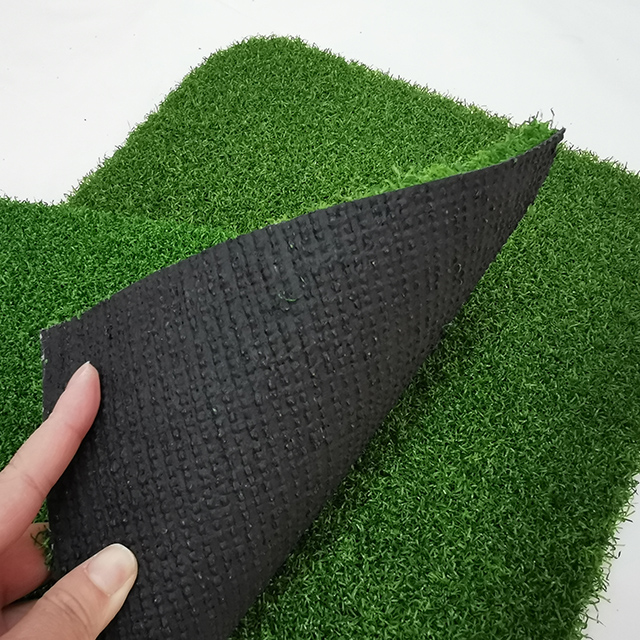
The backing system locks these fibers in place. We measure this locking strength using a metric called tuft bind. Testing laboratories record the exact force required to pull a single fiber out of the backing. They measure this force in pounds. A premium system should demonstrate a tuft bind exceeding eight pounds. This metric directly correlates to long-term durability. When athletes perform aggressive pivot movements, their cleats grip the fibers tightly. Weak tuft bind leads to rapid fiber pullout. You will quickly notice bare spots in high-traffic zones over a ten-year lifecycle.
Infill provides the essential shock absorption and weight for the field. You must evaluate various materials carefully.
Material Type | Shock Absorption | Heat Retention | Environmental Profile |
|---|---|---|---|
SBR (Crumb Rubber) | Excellent durability and impact attenuation. | Extremely high. Absorbs and radiates solar heat. | Recycled tires. Faces increasing regulatory scrutiny. |
TPE (Virgin Polymer) | Very good. Resilient and highly elastic. | Moderate. Often manufactured in lighter, reflective colors. | Non-toxic, heavy-metal free, and fully recyclable. |
EPDM Rubber | Excellent. Retains elasticity in harsh climates. | Moderate. Resists severe temperature fluctuations. | Virgin material. More stable than recycled SBR. |
Organic (Cork/Wood) | Good, but requires frequent moisture management. | Very low. Stays remarkably cool in direct sunlight. | Highly sustainable and naturally biodegradable. |
Player safety relies heavily on proper impact attenuation. Two critical metrics dominate this space: G-Max and the Head Injury Criterion (HIC). G-Max measures the overall shock-absorbing properties of the surface. A hard field produces a high G-Max number, which increases skeletal stress. HIC evaluates the specific likelihood of concussions during falls. You must hire an independent laboratory to establish testing baselines immediately upon installation. Furthermore, annual testing ensures the field remains compliant as the infill compacts over time. Ignoring these annual tests exposes your facility to severe legal liability.
Thermal management presents another major safety challenge. Synthetic fields get dangerously hot in direct sunlight. Surface temperatures frequently exceed 150 degrees Fahrenheit during summer months. Passive ventilation strategies simply fail to dissipate this intense heat. You should implement evidence-based cooling technologies. Hydro-chill systems use advanced evaporative cooling principles to drop surface temperatures dramatically. Lighter-colored, engineered infills also reflect ultraviolet rays much more effectively than traditional black crumb rubber.
Finally, stakeholders frequently worry about chemical toxicity and material safety. Address this skepticism directly and transparently. Require verified PFAS-free certifications from your manufacturer. Demand comprehensive heavy metal testing results before signing any contracts. Ensure your selected systems comply strictly with EPA guidelines or European REACH standards. Documenting this compliance builds crucial trust with parents, players, and community leaders.
Vendors often aggressively market sports grass as a zero-maintenance miracle. This is a dangerous myth. It is simply low-maintenance compared to natural grass. Complete neglect will destroy the playing characteristics rapidly and void your warranty. You must establish a rigorous maintenance protocol from day one.
Routine upkeep requires specialized equipment. Sweepers remove surface debris like leaves, trash, and pine needles. If you ignore organic material, it breaks down into a fine soil. This soil clogs the microscopic drainage pores in the carpet backing, causing severe flooding. Groomers use stiff brushes to keep the fibers standing upright. This regular brushing prevents permanent matting. Remedial maintenance addresses deeper structural issues. Over time, heavy foot traffic compacts the infill. Deep decompaction tractors pull metal tines through the turf. This breaks up hard spots and restores proper shock absorption. You must also level the infill frequently in high-wear areas like goal mouths and penalty spots. Weekly seam inspections prevent minor tears from becoming major tripping hazards.
You also need a solid end-of-life plan. Fields typically last eight to twelve years. You must plan for the eventual removal process during the initial procurement phase. Removing an old field requires specialized machinery. Contractors must extract thousands of pounds of compacted infill and roll up heavy, degraded carpet strips. You must factor in the logistical costs of disposal and material recycling fees. Evaluate your base reclamation needs early, as the stone sub-base usually requires laser-leveling before the next carpet installation.
Selecting the right installation partner is just as critical as choosing the turf itself. Do not trust internal company testing blindly. You need independent validation. The industry relies on established governing bodies for objective metrics. Require systems tested to FIFA Quality Pro standards for elite soccer pitches. Demand FIH standards for field hockey applications. World Rugby guidelines are absolutely non-negotiable for rugby pitches. These badges guarantee objective performance baselines.
Evaluate vendor track records critically. A vendor's logo on a professional stadium is impressive, but it tells you very little. Professional stadium fields experience remarkably low usage and receive pristine, daily maintenance. You need documented performance in your specific climate. Ask for references from high schools or municipal parks. These venues share your heavy usage profiles and limited maintenance resources.
Finally, scrutinize the fine print of every eight-year warranty. Look for hidden red flags that shift liability back to your facility. Common warranty traps include:
Prorated Payouts: These clauses severely reduce the vendor's financial responsibility in the later years of the warranty. You might only receive pennies on the dollar if the field fails in year seven.
Unreasonable Maintenance Logging: Vendors often require exhaustive, daily maintenance logs. If you miss a single entry, they use it as an excuse to void the entire agreement.
Specific UV Degradation Clauses: Some contracts quietly exclude damage caused by excessive sunlight. This renders the warranty useless in hot, sunny climates.
Successful procurement bridges technical specifications with operational realities. You cannot separate the turf product from its foundational engineering. Choosing the right surface requires an objective analysis of fiber technology, safety metrics, and maintenance obligations. Flashy sales pitches will not protect your athletes or your investment.
Take decisive action before signing any agreements. First, commission an independent site survey immediately to test your existing sub-base for drainage capacity. Next, build a specific usage model based on your facility's peak scheduling demands. Finally, request physical system samples from multiple vendors, paired directly with certified laboratory data. This methodical approach guarantees a safe, durable, and highly playable field for years to come.
A: Most premium systems provide an eight to ten-year functional lifespan. The exact duration depends heavily on UV exposure levels and annual usage hours. Aggressive maintenance routines can extend this period slightly. Eventually, relentless UV degradation weakens the polymer yarn. Severe fiber loss and backing failure ultimately dictate a mandatory surface replacement.
A: Yes, a shock pad provides critical safety benefits. It drastically improves impact attenuation metrics like HIC. High-quality shock pads often outlast the initial carpet. You can usually reuse them during the second installation cycle. This reuse offsets future capital requirements while maintaining elite player protection standards.
A: Yes, but you must make calculated compromises. Soccer requires shorter pile heights for fast ball roll. Football demands longer fibers and denser infill to absorb heavy tackling impacts. A multi-sport surface typically blends a medium pile height with a dual-fiber system. This configuration balances these conflicting playability demands effectively.
A: Costs vary wildly based on your existing site infrastructure. Replacing just the turf carpet on an intact base ranges from $4 to $6 per square foot. A complete new build requires deep excavation, stone drainage infrastructure, and perimeter curbing. These comprehensive site constructions typically run between $9 and $14 per square foot.


