
WhatsApp

close
Choose Your Site
Global
Social Media
Author: Site Editor Publish Time: 2026-03-06 Origin: Site


Is your artificial grass looking less than perfect? Wrinkles can ruin its appearance and functionality. As artificial grass becomes more popular for homes and businesses, understanding how to maintain its pristine look is essential.
In this article, we’ll explore the common issues related to wrinkles in artificial grass and their impact on aesthetics. You’ll learn effective strategies to prevent these unsightly creases, ensuring your turf remains beautiful and functional for years to come.
Wrinkles in artificial grass can be a significant concern for both homeowners and businesses. These creases not only detract from the visual appeal but can also affect the turf's usability. When artificial grass develops wrinkles, it may not lay flat, leading to uneven surfaces that can be hazardous for activities like sports or play.
What are Wrinkles in Artificial Grass?
● Wrinkles occur when the turf's fibers bunch up or fold over each other.
● They can form during installation or develop over time due to environmental factors.
● Visible wrinkles can make the lawn look unkempt and poorly maintained.
Impact of Wrinkles on Appearance and Usability
● Aesthetic Appeal: Wrinkles can make artificial grass appear old and worn out, reducing its attractiveness.
● Safety Concerns: Uneven surfaces can lead to trips and falls, especially in high-traffic areas.
● Long-Term Durability: Persistent wrinkles may cause wear and tear, shortening the lifespan of the turf.
Understanding the causes of wrinkles is crucial for preventing them. Here are some common factors that contribute to this issue:
Effects of High Temperatures During Storage and Transportation
● Artificial grass is often exposed to extreme heat during shipping and storage.
● High temperatures can cause the backing material to become pliable, leading to deformation.
● When the turf is rolled tightly for storage, it may retain a shape that results in wrinkles once unrolled.
Improper Handling During Installation
● Installation techniques play a pivotal role in the final appearance of artificial grass.
● If the turf is not unrolled and allowed to acclimate properly, it can develop memory creases.
● Rushing the installation process without proper stretching can lead to uneven surfaces.
Instability of the Base Leading to Wrinkles
● A solid foundation is essential for artificial grass. If the base is unstable, the turf can shift and wrinkle over time.
● Organic materials in the base can decompose and create voids, causing the turf to sag.
● Proper excavation and compaction of the base are vital to prevent these issues.
To maintain the integrity of your artificial grass, consider the following preventive measures:
● Unroll and Acclimate: Always allow the turf to acclimate in the sun for at least one to two hours before installation. This helps relax the backing material.
● Handle with Care: Use proper techniques during installation to ensure the turf is stretched tightly and secured.
● Prepare the Base: Ensure the installation area is free of organic debris and compacted to prevent future instability.
Preventive Measure | Description |
Unroll and Acclimate | Let the turf warm in the sun to relax its fibers. |
Handle with Care | Use proper installation techniques to avoid creases. |
Prepare the Base | Excavate and compact the area to create a stable foundation. |
By understanding these causes and implementing effective strategies, you can keep your artificial grass looking its best. Remember, a little preparation goes a long way in achieving a beautiful, wrinkle-free lawn.
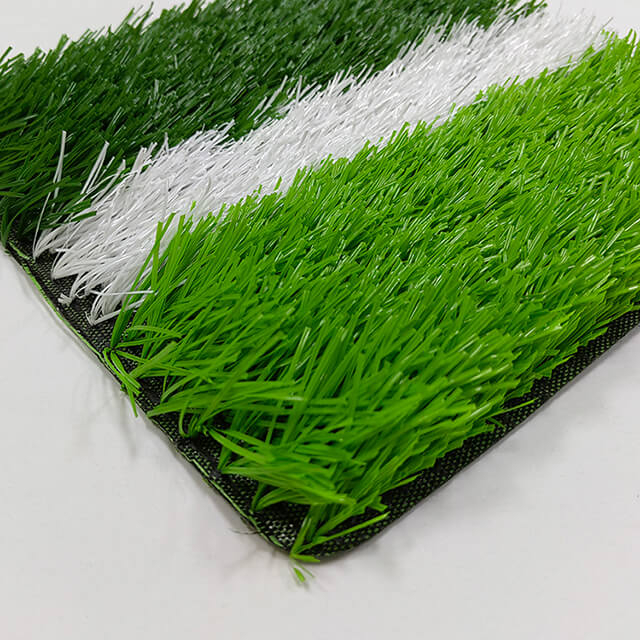
Before laying down artificial grass, it's crucial to prepare the installation area properly. A clean, clear surface sets the foundation for a successful installation.
Importance of Removing Organic Debris and Soil
● Organic materials like leaves, roots, and grass can decompose, leading to uneven surfaces.
● They can also attract pests, which may damage the turf over time.
● Removing these materials ensures proper drainage and prevents future complications.
How to Effectively Excavate Soil and Organic Matter
● Start by marking the area where the artificial grass will be installed.
● Use a shovel or a sod cutter to remove the top layer of soil and organic debris.
● Aim for a depth of at least 3 inches to ensure a solid base.
● After excavation, rake the area to level it out and remove any remaining debris.
A stable base is essential for preventing wrinkles in artificial grass. If the base shifts or settles unevenly, it can lead to creases and an unsightly appearance.
Using Non-Expansive Base Mixtures
● Select appropriate base materials like Class 2 Roadbase or Crushed Miscellaneous Base.
● These materials provide good drainage and stability, preventing future issues.
● Avoid expansive materials, as they can expand and contract with moisture changes, leading to instability.
Best Practices for Compacting the Base
● Achieving proper compaction is vital. Aim for 95-98% compaction for optimal stability.
● Use a plate compactor to evenly compact the base material.
● Compact in layers, adding about 2-3 inches of material at a time to ensure thorough packing.
● Check the level frequently to maintain an even surface.
Preparation Step | Description |
Clear the Area | Remove organic debris and excavate to 3 inches. |
Choose Base Material | Use non-expansive mixtures for durability. |
Compact the Base | Achieve 95-98% compaction for stability. |
By following these preparation steps, you set the stage for a successful installation of artificial grass. A well-prepared area not only enhances the appearance but also extends the life of your turf.
Getting the installation right starts with how you handle the turf. Properly unrolling and heating the artificial grass can make a significant difference in preventing wrinkles.
How to Correctly Unroll Artificial Grass to Relax the Material
● Begin by laying the roll flat in the sun for about an hour. This helps the fibers relax.
● Unroll the turf slowly, allowing it to naturally settle into place. Avoid pulling it too tight, as this can create tension.
● As you unroll, ensure the grass lies flat on the ground without kinks or folds.
Importance and Methods of Heating the Turf Before Installation
● Heating the turf can help soften the backing material, making it easier to work with.
● Use a heat gun or warm water to gently warm the surface if necessary. Be cautious not to overheat, which can damage the turf.
● Ensure the turf is warm enough to be pliable but not hot to the touch.
Using the right tools can enhance the installation process and ensure a wrinkle-free finish. Professional-grade equipment makes a noticeable difference.
Tips for Using a Carpet Kicker for Proper Stretching
● A carpet kicker is vital for stretching the turf properly. Position it about 6 inches from the edge of the grass.
● Use your body weight to push the kicker forward, ensuring the turf stretches evenly.
● Work in sections to maintain control and avoid creating tension points.
Best Practices During Installation to Ensure a Tight Fit
● Always check for alignment as you lay down the turf. Misalignment can lead to wrinkles later.
● Use a straight edge to guide your cuts and ensure clean lines.
● Regularly step back to assess the overall look, making adjustments as needed.
A well-secured perimeter is crucial for maintaining the integrity of the installation. It prevents shifting and keeps the turf in place.
The Importance of Perimeter Reinforcement
● Reinforcing the edges helps prevent the turf from lifting or curling over time.
● A secure perimeter also contributes to the overall aesthetics, keeping everything neat and tidy.
Techniques for Using Non-Galvanized Nails and Perimeter Boards
● Use non-galvanized nails to secure the turf along the edges, placing them every 6 to 12 inches.
● Consider installing perimeter boards for additional support. These can be made of wood or composite materials.
● Ensure the nails are driven in flush with the surface to avoid any tripping hazards.
Technique | Description |
Unroll and Heat | Lay turf flat in the sun and warm it for pliability. |
Use Carpet Kicker | Stretch turf evenly using a carpet kicker tool. |
Secure Perimeter | Reinforce edges with non-galvanized nails and boards. |
By following these techniques during installation, you can significantly reduce the risk of wrinkles in your artificial grass. A little extra care during this phase can lead to a beautifully finished product that lasts.
Once your artificial grass is installed, maintaining its appearance is key to preventing wrinkles. Regular inspections can help catch minor issues before they escalate.
How to Identify and Address Minor Wrinkles
● Inspect the turf regularly for any signs of wrinkles or unevenness.
● Gently pull on the affected area to see if it can be smoothed out. If it doesn’t return to its original shape, further action is needed.
● For minor wrinkles, you can use a heat gun to warm the area slightly. This can relax the fibers, allowing you to smooth them out.
Best Practices for Maintaining the Turf’s Appearance
● Regularly brush the turf to keep the fibers upright and prevent matting. Use a stiff-bristled broom for optimal results.
● Remove debris, such as leaves and dirt, promptly to prevent organic matter from decomposing and causing instability.
● Rinse the turf occasionally to remove dust and allergens, keeping it looking fresh and clean.
Infill is an essential component of artificial grass systems. It plays a significant role in maintaining stability and preventing wrinkles.
Impact of Infill on the Stability of Artificial Grass
● Infill helps support the grass fibers, keeping them upright and reducing the risk of matting.
● Proper infill levels can absorb impact, making the surface safer for activities.
● It also aids in drainage, preventing water accumulation that could lead to shifting or wrinkles.
How to Choose the Right Infill Material and the Recommended Amount
● Select an infill material suitable for your specific type of artificial grass. Common options include silica sand, rubber, and organic materials.
● The recommended amount of infill is typically between 2-3 lbs per square foot. This ensures adequate support without overloading the turf.
● Always consult the manufacturer’s guidelines for the best recommendations tailored to your specific product.
Maintenance Task | Description |
Regular Inspection | Check for wrinkles and smooth them out as needed. |
Brush the Turf | Use a stiff broom to keep fibers upright. |
Infill Application | Apply 2-3 lbs per square foot for stability. |
By incorporating these maintenance practices, you can keep your artificial grass looking pristine and free from wrinkles. Regular care not only enhances aesthetics but also extends the life of your turf, ensuring it remains a valuable asset for years.
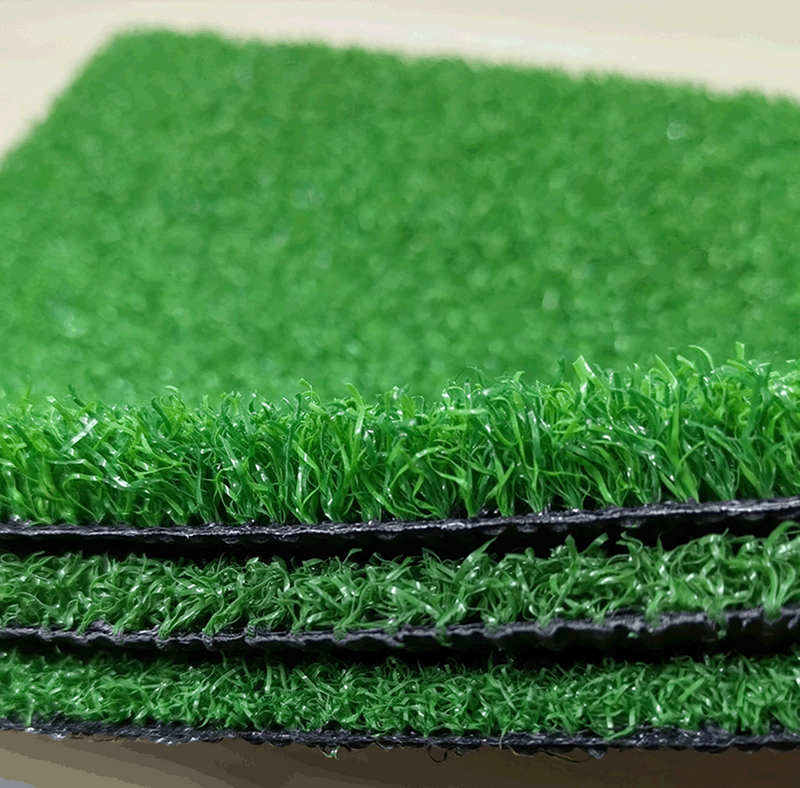
XiHY has established itself as a leading supplier of high-quality artificial grass and yarn products. Their extensive range is designed not only for durability but also for maintaining an attractive appearance, helping to prevent wrinkles in various applications.
Introduction to XiHY as a Leading Supplier
● XiHY specializes in providing top-notch artificial turf solutions tailored for different needs.
● Their commitment to quality ensures that customers receive products that withstand wear and tear while maintaining aesthetics.
Highlight Specific Products That Help Prevent Wrinkles
● Indoor Football Turf: This product features a specially designed fiber structure that resists matting and maintains its shape, making it ideal for indoor sports facilities.
● Durable Artificial Football Grass: Engineered for high-performance, this turf is resilient against heavy foot traffic, reducing the likelihood of wrinkles forming over time.
● Landscaping Grass for Various Applications: XiHY offers a range of landscaping options suitable for gardens, parks, and commercial spaces. These products are designed to lay flat and resist shifting, ensuring a smooth appearance.
Proper installation is crucial for the long-term performance of artificial grass. XiHY provides essential supporting products that enhance stability and reduce the risk of wrinkles.
Importance of Using XiHY’s Turf Adhesive Glue and Geotechnical Cloth
● Turf Adhesive Glue: This high-strength adhesive ensures a secure bond between the turf and the base. It helps prevent movement that can lead to wrinkles.
● Geotechnical Cloth: Using this cloth during installation creates a stable foundation. It allows for proper drainage while preventing the growth of weeds, which can disrupt the turf's surface.
How These Products Contribute to a Stable Installation
● By using XiHY’s adhesive and geotechnical cloth, installers can achieve a more secure and level surface.
● These products work together to minimize the chances of shifting, ensuring the turf remains flat and visually appealing over time.
Product | Benefits |
Indoor Football Turf | Resists matting and maintains shape. |
Durable Artificial Football Grass | Withstands heavy traffic, reducing wrinkles. |
Landscaping Grass | Designed to lay flat, preventing shifting. |
Turf Adhesive Glue | Provides strong bonding to prevent movement. |
Geotechnical Cloth | Stabilizes foundation and allows for drainage. |
With XiHY's range of products, you can ensure that your artificial grass installation remains wrinkle-free and visually appealing. Their commitment to quality and innovation makes them a trusted partner for all your turf needs.
Preventing wrinkles in artificial grass involves several key steps.
Start with proper preparation before installation.
Use appropriate techniques during installation to maintain a flat surface.
Regular maintenance is essential for keeping the turf looking great.
By taking proactive measures, you can ensure the longevity and beauty of your artificial grass.
Investing time in these practices will pay off in the long run.


