
WhatsApp

close
Choose Your Site
Global
Social Media
Author: Site Editor Publish Time: 2026-02-06 Origin: Site


Are you considering artificial turf for your home or sports field? With its growing popularity, many people are opting for this durable and low-maintenance solution. However, comparing estimates can be challenging and crucial for making the right choice.
In this article, we’ll explore how to effectively compare competing artificial turf estimates. You’ll learn about key factors to consider, such as material specifications, installation methods, and warranty options. By the end, you'll be equipped to make an informed decision that meets your needs.
Artificial turf is a synthetic surface designed to mimic natural grass. It’s composed of various materials, primarily plastic fibers, which are tufted into a backing. This innovation provides a durable, low-maintenance alternative to traditional grass.
Key Components:
● Fibers: Usually made from polyethylene or polypropylene, these fibers provide the look and feel of real grass.
● Backing: A sturdy layer that holds the fibers in place, often made from a combination of materials for added durability.
● Infill: A mixture of materials like sand and rubber granules, which helps support the fibers and provide cushioning.
Differences from Natural Grass:
● Maintenance: Artificial turf requires no mowing, watering, or fertilizing, making it cost-effective over time.
● Durability: It withstands heavy foot traffic and adverse weather conditions better than natural grass.
● Aesthetics: Artificial turf stays green year-round, providing consistent visual appeal.
Artificial turf comes in various types, each tailored for specific applications. Here’s a closer look at the main categories:
Sports turf is designed for high-performance athletic fields. It’s commonly used in:
● Football Fields: Engineered to handle intense play and reduce injuries.
● Tennis Courts: Provides a consistent playing surface for all weather conditions.
● Running Tracks: Offers excellent shock absorption for athletes.
Example: Qingdao XiHY’s high-performance sports turf is known for its durability and safety features, making it a popular choice among professional sports teams.
Landscape turf is perfect for creating beautiful outdoor spaces without the hassle of maintenance. It’s ideal for:
● Gardens and Courtyards: Enhances the aesthetic appeal of residential properties.
● Playgrounds: Provides a safe, soft surface for children.
● Parks and Hotels: Creates inviting green spaces for relaxation.
Example: XiHY’s pet-friendly landscaping grass is designed to resist wear and tear, making it suitable for high-traffic areas while ensuring safety for pets.
This type of turf is tailored for golf courses and practice greens. It mimics the performance of natural grass, allowing for a realistic playing experience.
● Practice Greens: Designed for putting, it offers a smooth surface for golfers.
● Small-Scale Courses: Ideal for backyard setups or community courses.
Example: XiHY’s synthetic golf green turf replicates natural grass performance, making it a favorite among golf enthusiasts.
Type | Ideal Use | Key Features |
Sports Turf | Football, tennis, running | High durability, safety features |
Landscape Turf | Gardens, playgrounds, parks | Pet-friendly, low maintenance |
Golf Turf | Practice greens, small courses | Mimics natural grass, realistic performance |
Understanding these basics will help you make informed decisions when comparing estimates for artificial turf. Each type serves a unique purpose, so knowing what you need is essential. Whether it’s for sports, landscaping, or golfing, there’s a perfect artificial turf option for every application.
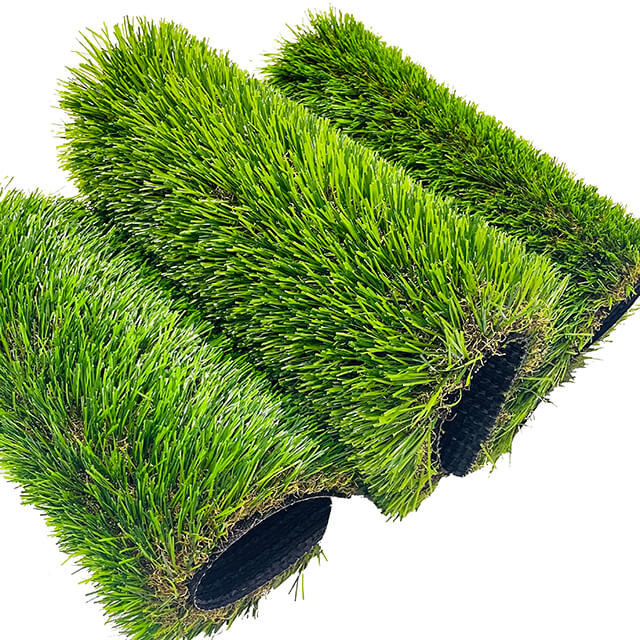
When considering artificial turf, several key factors influence its pricing. Understanding these elements can help you make informed decisions when comparing estimates and ultimately selecting the best option for your needs. Let's explore the critical components that affect the cost of artificial turf.
The materials used in artificial turf are fundamental in determining both performance and pricing. Here are some essential specifications to consider:
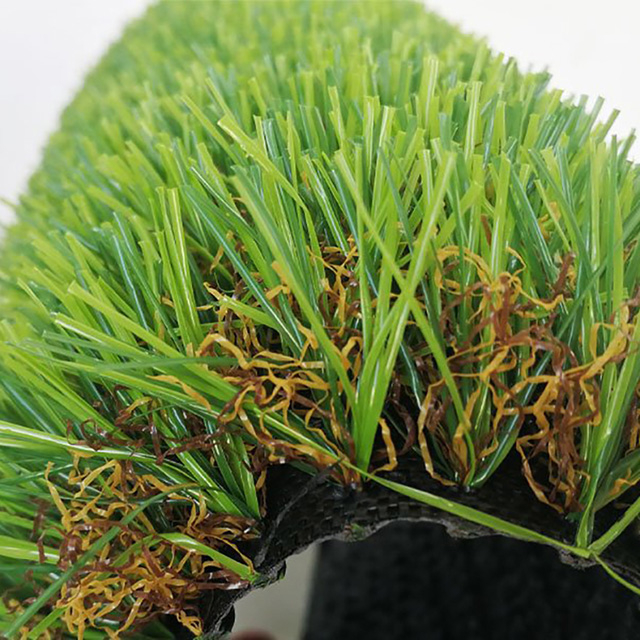
● Face Weight: This refers to the weight of the turf fibers per square yard, typically measured in ounces. A higher face weight generally indicates better durability and a more luxurious feel. For example, turf with a face weight of 60 ounces is often more resilient than one with a 40-ounce face weight.
● Pile Height: The height of the grass blades can vary significantly, typically ranging from 1 inch to over 2 inches. Taller piles provide a more natural appearance but may also lead to increased costs. For instance, high-pile turf is often preferred for residential lawns, while shorter piles are more common in sports applications for better performance.
● Density: This measures the number of fibers per square yard. Higher density turf is generally more resilient and provides a better experience underfoot. Turf with a density of 100 stitches per square inch is often more durable than lower-density options.
Material Options:
● Polyethylene (PE): Known for its softness and durability, PE is commonly used for residential lawns and sports fields due to its realistic look and feel. It also resists fading, making it a popular choice for outdoor applications.
● Polypropylene (PP): This is a more affordable option, often used in low-traffic areas or for decorative purposes. While it’s cost-effective, it’s less durable than PE and may not hold up well in high-traffic environments.
● Nylon: Offers exceptional durability and resilience, making it ideal for heavy-use applications like sports fields. However, nylon turf tends to be more expensive, which can impact your budget.
Example: XiHY’s innovative blend of polypropylene and polyethylene combines the advantages of both materials, providing enhanced durability, UV resistance, and a natural appearance. This blend is particularly effective for various applications, from residential lawns to commercial sports fields.
The installation process is a critical factor that can significantly affect the overall cost of artificial turf. Here’s a breakdown of the basic steps involved in installation:
1. Site Preparation: This initial step involves clearing the area of existing grass, debris, and rocks. Proper leveling ensures a smooth surface for the turf.
2. Base Installation: A stable base is essential for the longevity of the turf. Typically, this involves laying down a layer of crushed stone or gravel to facilitate drainage and provide support.
3. Turf Laying: Once the base is prepared, the turf is unrolled and positioned. Proper alignment is crucial to avoid seams and ensure a seamless appearance.
4. Infill Application: After the turf is laid, infill materials are added to support the grass fibers and enhance performance. This step is vital for achieving the desired look and feel.
Comparison of Installation Methods:
● DIY Installation: This option can save money but requires time, effort, and some level of expertise. It’s suitable for smaller projects where you have the skills to manage the installation.
● Professional Installation: While more expensive, hiring professionals ensures that the turf is installed correctly, which can save you money on repairs and replacements in the long run. Professionals can also navigate potential challenges during installation.
Base preparation is a crucial aspect of installing artificial turf, directly impacting its stability and drainage capabilities. A well-prepared base prevents issues such as uneven surfaces and water pooling, which can lead to costly repairs.
● Importance of Base Depth: Generally, a depth of 3 to 4 inches is recommended for optimal drainage and support. This depth allows for adequate water runoff and prevents the turf from becoming soggy.
● Types of Bases:
○ Crushed Stone: This material provides excellent drainage and stability, making it a preferred choice for many installations. It allows water to flow through easily, reducing the risk of pooling.
○ Concrete: While more expensive, a concrete base offers a solid, long-lasting foundation. It’s particularly useful in high-traffic areas where additional support is needed.
Infill materials play a crucial role in supporting the turf fibers and enhancing performance. The type of infill you choose can significantly influence both the initial cost and long-term maintenance of your artificial turf.
Types of Infill:
● Rubber Granules: Commonly used in sports fields, rubber infill provides excellent shock absorption, making it safer for athletes. It also helps the turf fibers stand upright, enhancing the overall look.
● Sand: Often used in residential applications, sand is a cost-effective infill option. While it provides some support, it lacks the cushioning benefits of rubber.
● Organic Options: Made from natural materials, these infills are environmentally friendly but may require more frequent maintenance. They can decompose over time, necessitating replacement.
Cost Implications:
● Higher-quality infills may increase initial costs but can reduce long-term maintenance expenses. Investing in better infill can lead to lower replacement costs and improved performance over time.
Factor | Description | Impact on Pricing |
Material Specifications | Face weight, pile height, density | Higher quality = higher cost |
Installation Method | DIY vs. Professional | Professional = higher initial cost |
Base Preparation | Depth and type of base | Better preparation = better longevity |
Choice of Infill | Types and quality of infill | Quality infill = lower maintenance |
Understanding these factors will help you navigate the pricing landscape of artificial turf. Each element contributes to the overall value and longevity of your investment, so consider them carefully when comparing estimates.
When you’re in the market for artificial turf, effectively comparing estimates from different suppliers is essential. This process ensures you get the best value for your investment. Here’s how to navigate this comparison efficiently.
To start, gather estimates from various suppliers. This step gives you a broad view of the market and helps you identify competitive pricing.
● How to Obtain Estimates:
○ Reach out to multiple suppliers, either online or through direct contact.
○ Provide them with specific details about your project, including dimensions, desired turf type, and any special requirements.
● Key Questions to Ask:
○ What materials are included in the estimate?
○ What is the estimated timeline for installation?
○ Are there any additional costs not included in the initial quote?
These questions ensure you receive comprehensive estimates that cover all aspects of the project.
Clear technical specifications are crucial when comparing artificial turf estimates. They help you understand what you’re getting and ensure you’re making an informed decision.
● Importance of Clear Specifications:
○ Look for details like material ratios, pile height, and density. For example, knowing the face weight can help you gauge durability.
○ Ensure that suppliers provide information on UV resistance, warranty terms, and maintenance requirements.
● Identifying Vague Estimates:
○ Be cautious of estimates that lack detailed descriptions. If a quote doesn’t specify the type of turf or its components, it may be a red flag.
○ Ask suppliers to clarify any ambiguous terms or figures. A reputable supplier will be happy to provide more information.
Understanding the cost breakdown of each estimate is vital. It helps you see where your money is going and allows for easier comparisons.
● Analyzing Costs:
○ Look at the various components included in the estimate, such as:
■ Materials: The cost of the turf itself.
■ Installation: Labor costs associated with laying the turf.
■ Accessories: Additional items like infill, base materials, and seams.
● Tips for Avoiding Hidden Fees:
○ Always ask for a detailed breakdown of costs. This way, you can spot any potential hidden fees.
○ Inquire about potential extra charges for site preparation or disposal of old materials. Knowing these upfront can save you surprises later.
Warranties can vary significantly among suppliers, so it’s essential to compare them carefully. A good warranty can provide peace of mind and protect your investment.
● Comparison of Warranty Policies:
○ Check the duration of the warranty. Most turf products come with warranties ranging from 8 to 15 years.
○ Understand what the warranty covers. Does it include fading, wear, and tear? Knowing the specifics can help you gauge long-term value.
● Evaluating Effectiveness and Coverage:
○ Read reviews or ask for references to see how suppliers handle warranty claims.
○ A supplier with a strong track record of honoring warranties can be a better choice, even if their initial price is slightly higher.
Factor | Description | Importance |
Collecting Estimates | Reach out to multiple suppliers | Ensures competitive pricing |
Transparency of Specifications | Clear details on materials and features | Informed decision-making |
Cost Breakdown Analysis | Detailed breakdown of costs | Helps identify hidden fees |
Warranty Comparison | Evaluate duration and coverage | Protects long-term investment |
By focusing on these areas, you can effectively compare artificial turf estimates and make a well-informed decision. Each aspect plays a role in ensuring you choose the right product and supplier for your needs.
A: Artificial turf reduces water usage, eliminates the need for pesticides and fertilizers, and minimizes lawn maintenance emissions.
A: Maintenance involves regular brushing, occasional rinsing, and infill replenishment to maintain its appearance and performance.
A: With proper installation and care, artificial turf can last 10 to 15 years, depending on usage and material quality.
A: Ensure quality by checking material specifications, warranty details, and supplier reputation before making a purchase.
A: Yes, high-quality artificial turf is designed to be non-toxic and safe for children and pets, often featuring materials that resist wear and provide cushioning to prevent injuries.
Comparing artificial turf estimates is essential for making the best choice.
Taking the time to evaluate different options ensures you find quality turf at a fair price.
Use the guidelines provided to ask the right questions and analyze estimates effectively.
This approach will help you make informed decisions that meet your needs and budget.


