
WhatsApp

close
Choose Your Site
Global
Social Media
Author: Site Editor Publish Time: 2025-10-27 Origin: Site


Imagine a lawn that stays lush and green year-round without mowing or watering. Artificial grass offers this convenience and more. But why choose it over natural grass? It’s low maintenance, durable, and water-efficient. Selecting the right artificial grass company is crucial for quality and satisfaction. In this post, you’ll learn how to choose the best company for your needs.
Artificial grass comes in various types designed for different uses. The main categories include:
● Landscape Grass: Designed for gardens, playgrounds, and decorative purposes. It mimics natural grass in appearance and texture.
● Sports Turf: Made for sports fields like football, hockey, and rugby. It must meet strict performance and safety standards.
● Multi-Purpose Turf: Suitable for both landscaping and sports, combining durability with a natural look.
Each type varies in fiber length, density, and texture to suit its intended use. For example, sports turf often has shorter, denser fibers for durability and better ball roll, while landscape grass tends to have longer, softer fibers for comfort and aesthetics.
Artificial grass fibers mainly consist of:
● Polyethylene (PE): Soft, flexible, and commonly used for the green blades. It offers a natural look and feel, making it ideal for landscape and sports turf.
● Polypropylene (PP): Stiffer and used for the brown thatch layer, which adds realism and support.
● Nylon: Strong and heat-resistant but less common due to its stiffness. Used mainly in high-traffic sports fields.
Backing materials also matter; they provide stability and drainage. Most backing includes a polyurethane or latex layer with perforations to allow water to pass through, preventing puddles.
Artificial grass offers many advantages over natural grass:
● Low Maintenance: No mowing, watering, or fertilizing needed, saving time and money.
● Year-Round Green: Stays lush and green regardless of weather or seasons.
● Durability: Resistant to heavy use, pet activity, and harsh weather conditions.
● Hygienic: Synthetic fibers reduce allergens and do not harbor pests or mold.
● Water Efficient: Eliminates the need for irrigation, conserving water.
● Versatile: Can be installed on various surfaces, including soil, concrete, and rooftops.
These benefits make artificial grass a practical choice for homes, sports facilities, commercial spaces, and recreational areas.
Some companies excel across multiple sectors, offering artificial grass solutions for sports, landscaping, and leisure. These leaders combine broad product ranges, advanced technology, and global reach to serve diverse client needs. For example:
● CCGrass (China): Operates the world’s largest synthetic turf factory. It produces sports turf, landscape turf, and artificial plants. CCGrass holds FIFA, FIH, and World Rugby Preferred Producer status, with over 500 FIFA-certified fields worldwide. Their turf systems are durable, customizable, and backed by strong R&D and sustainability efforts.
● FieldTurf (USA): A top brand under Tarkett, FieldTurf serves NFL stadiums, college fields, and residential/commercial landscaping. Also a FIFA, FIH, and World Rugby Preferred Producer, it offers reliable, durable turf with over 25 years of innovation.
These companies are trusted for consistent quality, performance, and innovation across applications.
Some firms focus mainly on sports facilities, delivering high-performance turf for stadiums, clubs, and sports complexes. Their expertise ensures surfaces meet strict athlete safety and playability standards:
● GreenFields (Netherlands): Part of TenCate Grass, recognized for durable, sustainable surfaces for football, hockey, rugby, and multi-sports. It holds Preferred Producer status from FIFA, FIH, and World Rugby.
● Polytan (Germany): Founded in 1969, Polytan specializes in synthetic turf for football, hockey, athletics, and multi-sport venues. It is a preferred partner for FIFA, FIH, World Rugby, and World Athletics. Polytan offers full production, installation, and recycling services, emphasizing sustainability and athlete protection.
These specialists excel in delivering turf systems optimized for competitive sports environments.
Other companies target gardens, playgrounds, and decorative uses, focusing on aesthetics, comfort, and safety:
● SYNLawn (USA): A leading North American manufacturer with over 20 years of experience. It offers landscaping solutions for residential, commercial, putting greens, playgrounds, and pet areas. Known for eco-friendly, durable, and visually appealing turf.
● Easigrass (UK): The UK's top artificial grass supplier with 30+ years of experience. It specializes in child- and pet-friendly playgrounds and decorative installations. Multi-award-winning for quality design, it also creates unique Easi-Animals sculptures.
These experts prioritize natural appearance, user comfort, and safety for leisure settings.
When selecting an artificial grass company, several crucial factors determine the quality of your investment. Whether you’re a contractor, retailer, or homeowner, these points affect your satisfaction, durability, and overall project success.
Quality is the foundation. The best companies control the entire manufacturing process, from yarn extrusion to tufting and backing. This control ensures consistent fiber strength, colorfastness, and resilience.
Look for companies that:
● Use in-house yarn production and tufting to monitor every step.
● Employ shaped yarns, which improve fiber resilience and longevity.
● Conduct strict factory audits by independent bodies like BSCI or WFSGI.
● Offer turf that passes UV resistance tests (e.g., UVA 5000 hours) and health safety certifications like REACH or ASTM.
Durability means the grass withstands heavy foot traffic, weather changes, and pet activity without flattening or fading.
Certifications from reputable organizations validate a company’s expertise and product standards.
● Sports Turf: FIFA, FIH, World Rugby, and World Athletics Preferred Producer status shows compliance with elite standards.
● Landscape Turf: Though lacking unified global standards, reputable companies apply the same quality controls as sports turf. UV and safety tests ensure longevity and safety for families.
Choosing a certified company reduces risks and guarantees turf performance.
Performance means the turf feels natural underfoot and functions well for its purpose.
● Sports turf should offer consistent ball roll, shock absorption, and player safety.
● Landscape turf needs realistic textures, varied blade shapes, and natural color blends.
Top companies customize turf designs to local climates and client preferences, ensuring both beauty and functionality.
A good company supports you beyond sale.
● Check warranty length (6 to 15 years) as a sign of confidence.
● Expect expert technical advice on installation and maintenance.
● Reliable logistics ensure on-time delivery.
● Responsive customer service handles questions quickly.
● Some offer marketing help for resellers or contractors.
Strong support ensures your project runs smoothly and turf lasts longer.
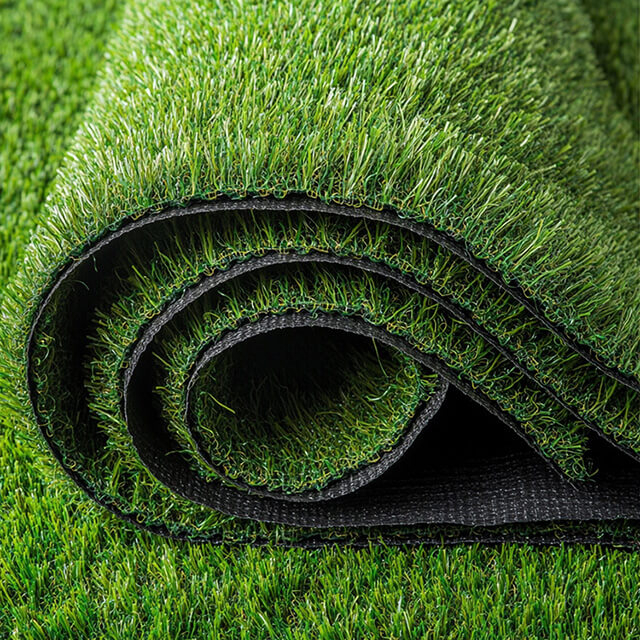
The quality of artificial grass largely depends on the yarn and how it's tufted. Yarn refers to the fibers that make up the blades and thatch of the turf. The best companies use shaped yarns, which have profiles designed to increase resilience. These shaped yarns can spring back up to 60% better than regular fibers, keeping the grass looking fresh even after heavy use.
Tufting is the process of stitching these fibers into the backing. Modern tufting machines can stitch fibers closer together, producing a denser pile that feels more natural and looks fuller. The stitch rate, stitch gauge, and fiber thickness (Dtex) all affect how soft, durable, and realistic the turf feels. For example, a higher stitch rate and dense tufting create a lush lawn ideal for gardens, while shorter, tighter tufting suits sports fields needing durability.
Top artificial grass companies maintain strict quality control by conducting regular factory audits. These audits are often performed by independent organizations like BSCI (Business Social Compliance Initiative) or WFSGI (World Federation of the Sporting Goods Industry). Passing these audits proves the company meets high standards in production, labor practices, and product consistency.
Quality control teams monitor every production stage—from yarn extrusion to tufting and backing application. This ensures fibers maintain consistent color, strength, and UV resistance. For example, UV aging tests like UVA 5000 hours confirm the grass won’t fade quickly outdoors. Health and safety certifications such as REACH or ASTM ensure no harmful substances exist in the turf.
Strong research and development (R&D) capabilities distinguish industry leaders. Companies investing in R&D develop new fiber technologies, eco-friendly materials, and improved backing systems. Innovation leads to turf that lasts longer, drains better, and feels more natural.
For instance, some firms create custom fiber blends tailored to different climates or uses. Others develop recyclable turf components to reduce environmental impact. R&D also drives advancements in tufting machines and yarn extrusion, enhancing durability and appearance.
A solid base forms the foundation of any successful artificial grass installation. Without it, the turf can shift, sink, or develop uneven spots over time. Typically, the base consists of a compacted layer of crushed stone or aggregate, which provides stability and excellent drainage. Sand alone isn’t enough; it only smooths the surface but doesn’t support the turf properly.
Proper base preparation includes:
● Removing existing grass and topsoil.
● Installing a sub-base of crushed stone at least 50mm deep.
● Compacting the base firmly to prevent settling.
● Ensuring a slight slope or drainage plan to avoid water pooling.
A well-prepared base extends the lifespan of your artificial grass and keeps it looking flawless.
Installing artificial grass requires precision and care to achieve a natural, seamless look. The main steps include:
1. Site Preparation: Clear the area, remove debris, and level the ground.
2. Base Installation: Lay and compact the crushed stone sub-base.
3. Weed Barrier: Place a geotextile membrane to prevent weeds growing through.
4. Laying the Turf: Roll out the artificial grass, allowing it to acclimate.
5. Cutting and Joining: Trim edges and join turf sections with strong adhesive and joining tape.
6. Securing the Turf: Fix the grass edges with stakes or nails, ensuring a tight fit.
7. Infill Application: Spread sand or rubber granules to weigh down fibers and improve resilience.
8. Brushing: Use a stiff brush to lift fibers and create a natural appearance.
Experienced installers follow these steps meticulously to avoid wrinkles, visible seams, or uneven areas.
Artificial grass is low maintenance but still needs care to stay pristine. Key tips include:
● Regular Brushing: Prevents matting and keeps fibers upright, especially in high-traffic zones.
● Remove Debris: Clear leaves, twigs, and dirt to avoid buildup.
● Rinse Occasionally: Use water to wash away dust, pollen, or pet urine.
● Spot Clean Stains: Mild detergent and water work well for spills or pet messes.
● Check Infill Levels: Top up infill if areas become compressed.
● Inspect Joins and Edges: Repair any loose seams or edges promptly to prevent damage.
Following these simple steps helps maintain the turf's appearance and performance for many years.
One common myth is that polyethene backing is much better for pets than rubber backing. In reality, both backings react similarly to pet urine. The key factor is how well the system allows urine to drain through the grass and into the base below. Good drainage prevents odors and keeps the turf hygienic. In regions with regular rainfall, like the UK, rainwater naturally flushes the urine through the turf system. Polyethene backing may absorb slightly less liquid, so it can help urine pass through a bit faster, but this difference is minimal. Overall, both backing types are pet-safe if installed correctly.
Some claim nylon yarn is the "wonder fiber" for artificial grass. Nylon is indeed strong and heat-resistant, with a higher melting point than polyethylene. It was popular in older sports turf, especially hockey pitches, due to its durability. However, nylon fibers tend to be stiffer and less soft underfoot, making them less comfortable for landscapes or leisure areas. Nylon's benefits show mainly in very hot climates where temperatures exceed 40°C regularly. Most modern artificial grasses use polyethylene or polypropylene fibers, offering better softness and resilience. Nylon is less common today because it requires specialized tufting equipment and can be more expensive.
Another myth concerns fire safety. Some think artificial grass easily catches fire or melts dangerously. Quality artificial turf uses fibers with high fire resistance, meeting strict safety standards. These fibers resist ignition and self-extinguish quickly if exposed to flames. This makes artificial grass safe for areas near barbecues or outdoor heaters. Always check if the turf has fire-retardant certification, especially for commercial or public spaces. Proper installation and maintenance also reduce fire risks by avoiding debris buildup.
Tip: When choosing artificial grass, focus on proper drainage systems and certified fire-resistant fibers rather than backing type or fiber myths—these factors ensure safety, hygiene, and durability.
Choosing the best artificial grass company involves evaluating quality, durability, and support. Consider fiber types, certifications, and installation services. Look for companies with strong R&D and quality control, ensuring long-lasting turf. Qingdao XiHY Artificial grass offers innovative products with superior drainage and fire resistance, providing excellent value for various applications. Their commitment to quality and customer satisfaction makes them a reliable choice for your artificial grass needs.
A: Artificial grass is primarily made of polyethylene, polypropylene, and nylon fibers, with a backing of polyurethane or latex for stability and drainage.
A: Consider factors like quality control, certifications, performance, and customer support. Top companies often produce yarn in-house and have strong R&D capabilities.
A: Artificial grass offers low maintenance, year-round greenery, durability, and water efficiency, making it a practical choice for various applications.
A: Costs vary based on quality, type, and installation. Generally, landscape grass is less expensive than sports turf due to different material needs.