
WhatsApp

close
Choose Your Site
Global
Social Media
Author: Site Editor Publish Time: 2026-05-20 Origin: Site


The landscape of modern sports infrastructure has undergone a massive transformation over the past decade, driven largely by advancements in synthetic surface technologies. At the forefront of this revolution is high-performance synthetic turf, engineered specifically to meet the rigorous demands of the world's most popular sport. Whether you are managing a professional stadium, a community sports complex, or a school training ground, the quality of your playing surface directly dictates the quality of play and the safety of the athletes. As we move deeper into 2026, the standards for these surfaces have never been higher, with governing bodies implementing strict testing criteria to ensure optimal playability.
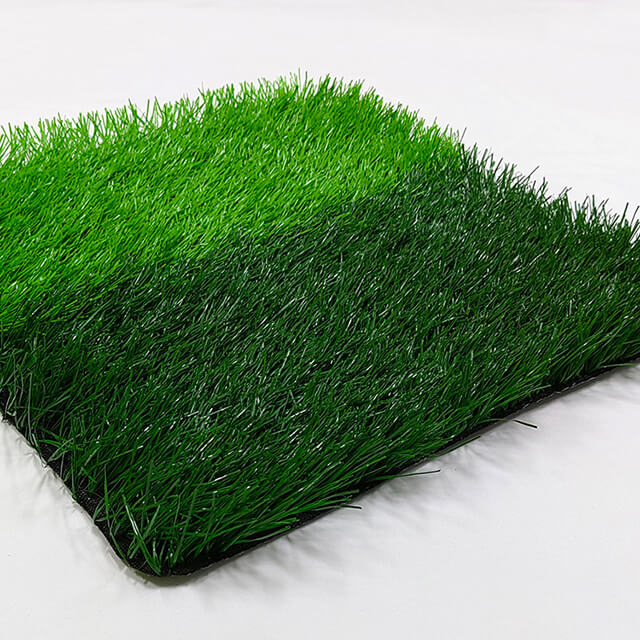
Understanding the complex ecosystem of synthetic sports surfaces requires a deep dive into material science, biomechanics, and civil engineering. The days of abrasive, carpet-like pitches are long gone. Today's systems are highly sophisticated, multi-layered structures designed to provide shock absorption, energy restitution, and precise ball-surface interaction. This guide will break down every component of these advanced systems, empowering you to navigate the market with confidence and precision.
The journey of synthetic sports surfaces from their inception to the current state-of-the-art systems is a testament to continuous engineering and innovation. Early generations of turf were notorious for causing friction burns, altering ball bounce unpredictably, and contributing to joint fatigue. However, the modern iteration of football artificial grass, often referred to as third-generation (3G) or fourth-generation (4G) turf, has completely mitigated these issues. By utilizing advanced polyethylene yarns, resilient backing materials, and specialized infill systems, today's turf provides a playing experience that rivals, and in many aspects exceeds, natural grass.
One of the most significant advantages of installing a synthetic pitch is its absolute resilience against adverse weather conditions. Natural grass fields are highly susceptible to heavy rainfall, which can turn a pristine pitch into a muddy, unplayable hazard, leading to postponed matches and lost revenue. Conversely, premium football artificial grass is engineered with highly efficient, perforated backing systems that facilitate rapid water drainage. This ensures that the pitch remains playable immediately after, or even during, heavy downpours. Furthermore, these surfaces are treated with advanced UV stabilizers, preventing the vibrant green color from fading under intense sunlight and preventing the plastic yarns from becoming brittle in freezing temperatures.
The primary concern for any sports facility is the health and safety of its athletes. Modern football artificial grass systems are meticulously designed to absorb impact and reduce the strain on players' joints, ligaments, and muscles. This is achieved through the integration of shock pads beneath the turf and the precise calibration of performance infills like SBR rubber, EPDM, TPE, or organic alternatives like cork. These components work in harmony to provide appropriate energy restitution, ensuring that players can sprint, pivot, and tackle without an increased risk of injury. The rotational resistance of the turf is also carefully calibrated to allow cleats to release from the surface smoothly, preventing severe knee and ankle injuries.
To truly appreciate the value of a high-quality synthetic pitch, one must understand the anatomy of the turf itself. A complete system is not just the green plastic blades you see on the surface; it is a complex assembly of several distinct layers, each playing a crucial role in the overall performance and longevity of the field.
The visible part of the turf, the yarn, is typically manufactured from high-grade polyethylene (PE). PE is chosen for its softness, durability, and non-abrasive qualities, making it ideal for sliding tackles and falls. There are two primary types of yarn used in football artificial grass: monofilament and fibrillated. Monofilament yarns are extruded as individual, distinct blades, often engineered with specific cross-sectional profiles (such as diamond, C-shape, or S-shape) to enhance their resilience and ability to stand upright. Fibrillated yarns, on the other hand, start as a wider tape that is slit to create a honeycomb-like structure. This structure is excellent for encapsulating infill materials, preventing them from migrating across the pitch. Many elite systems now utilize a dual-yarn approach, combining both monofilament and fibrillated fibers to harness the benefits of both.
The backing of the turf is the foundation that holds the entire system together. It consists of a primary backing, usually made of woven polypropylene fabrics, into which the yarns are tufted. This is followed by a secondary backing, which is a liquid coating applied to lock the tufts securely in place. The secondary coating is typically made of either styrene-butadiene rubber (SBR) latex or polyurethane (PU). While latex is a traditional and cost-effective option, PU is increasingly preferred for top-tier football artificial grass because it offers superior dimensional stability, does not absorb moisture, and provides a stronger tuft bind, significantly extending the lifespan of the pitch.
When selecting a turf system, subjective feel is not enough. The industry relies on rigorous, standardized testing protocols, most notably those established by FIFA (the FIFA Quality and FIFA Quality Pro marks), to quantify the performance of a pitch. These metrics ensure that the game is played fairly and safely.
How the ball behaves on the surface is paramount. Two key metrics dictate this: ball rebound and ball roll. Ball rebound measures how high the ball bounces when dropped from a specific height. On high-quality football artificial grass, the bounce must mimic that of natural soil and grass, not a hard concrete floor. Ball roll measures the distance a ball travels when released down a ramp. If the turf is too dense or the infill is incorrect, the ball will drag and stop prematurely; if the turf is too sparse, the ball will roll unnaturally fast. Achieving the perfect balance requires precise engineering of the pile height, density, and infill ratios.
Equally important is how the surface interacts with the players. Shock absorption is tested using an artificial athlete device that drops a weight onto the turf to measure how much impact energy is absorbed by the surface rather than returning to the player's body. Vertical deformation measures how much the surface compresses under a player's foot, which affects stability and fatigue. Rotational resistance, as mentioned earlier, tests the torque required to rotate a studded boot trapped in the turf. A premium football artificial grass system will score within strict parameters for all these tests, ensuring a surface that is fast, safe, and comfortable.
The quality of your pitch is intrinsically linked to the expertise and manufacturing capabilities of your supplier. Not all turf is created equal, and the market is flooded with varying grades of products. Partnering with a reputable Synthetic Football Turf Manufacturer is the most critical step in your project. A world-class manufacturer controls the entire production process, from the extrusion of the raw polyethylene pellets into yarn, to the tufting process, and the final coating of the backing.
When evaluating a manufacturer, inquire about their quality control protocols. Do they conduct in-house testing for UV resistance, tensile strength, and tuft bind? Are their products certified by independent sports laboratories? A leading manufacturer of football artificial grass will provide comprehensive technical data sheets and offer substantial warranties that cover premature wear, UV degradation, and structural failure. Furthermore, they will offer consultative services to help you choose the exact specifications required for your specific climate, usage levels, and budget.
The specific requirements of your facility will dictate the type of turf system you should install. The industry generally categorizes these systems based on their infill requirements and pile heights. Selecting the correct Football Artificial Grass involves understanding the nuances of these different systems.
The vast majority of professional and community soccer pitches utilize an infilled system. These systems typically feature a pile height of 40mm to 60mm. The space between the blades is filled with a layer of silica sand (for stability and ballast) and a layer of performance infill (like rubber or cork for shock absorption). This combination provides the most authentic playing experience. However, recent innovations have led to the development of non-infilled (or 4G) football artificial grass. These systems rely on an extremely dense pile and a specialized texturized root zone yarn to provide cushioning and blade support without the need for performance infill. While still evolving, non-infilled systems are gaining popularity due to lower maintenance requirements and the elimination of infill migration issues.
Every sports facility has unique spatial constraints, branding requirements, and multi-sport needs. Off-the-shelf solutions rarely fit perfectly. This is where the ability to design a Custom astro turf football field becomes invaluable. Customization goes far beyond simply cutting the turf to size.
Customization involves selecting the specific yarn colors to match club branding, integrating permanent line markings for multiple sports (e.g., soccer, rugby, and lacrosse) using different colored tufted yarns rather than paint, and even incorporating large, intricate club logos directly into the center circle. Furthermore, the technical specifications of the football artificial grass can be customized. If the field will host high-impact sports like rugby alongside soccer, the shock pad thickness and infill ratios can be adjusted to meet the safety standards of both sports simultaneously. This level of bespoke engineering ensures that the facility maximizes its utility and aesthetic appeal.
Even the highest quality turf will fail if it is installed poorly. The installation process is a major civil engineering undertaking that requires precision, heavy machinery, and specialized expertise. A flawless installation is the foundation of a long-lasting pitch.
The installation begins long before the green turf is rolled out. The existing topsoil must be excavated to a specific depth. A robust drainage system, typically a herringbone network of perforated pipes, is installed to carry water away from the pitch. Above this, a sub-base is constructed using multiple layers of crushed stone and aggregate. This base must be perfectly leveled, compacted to strict tolerances, and engineered to be porous, allowing water to pass through freely. The integrity of the sub-base dictates the lifespan of the football artificial grass above it; any settling or unevenness in the base will mirror on the playing surface, creating puddles and trip hazards.
Once the base (and optional shock pad) is prepared, the rolls of turf are carefully positioned. The edges are trimmed, and the rolls are joined together using specialized seaming tape and high-strength polyurethane adhesive. These seams must be practically invisible and immensely strong to withstand the sheer forces of players stopping and turning. After the adhesive cures, the infill process begins. Silica sand is first brushed into the football artificial grass to weigh it down and support the base of the fibers. This is followed by the performance infill. Specialized machinery is used to distribute the infill evenly and brush it deep into the pile, ensuring the grass blades stand upright and the surface provides uniform shock absorption across the entire field.
Transitioning from natural grass to a synthetic pitch represents a significant capital expenditure. However, when analyzed over a 10-to-15-year lifecycle, the financial logic becomes compelling. Facility managers must look beyond the initial installation price and consider the total cost of ownership.
The initial cost encompasses excavation, sub-base construction, the turf system itself, and labor. While high, this is offset by drastic reductions in ongoing maintenance. Natural grass requires constant watering, mowing, fertilizing, aerating, and line painting. It also requires significant downtime for recovery after heavy use or bad weather. In contrast, football artificial grass requires no water, no chemicals, and minimal labor (primarily brushing and occasional infill top-ups). Most importantly, a synthetic pitch can be rented out for 40-50 hours a week, year-round, compared to the 10-15 hours a week a natural pitch can sustain. This massive increase in usable hours leads to a rapid return on investment through increased rental revenue and tournament hosting capabilities.
The synthetic turf industry is not static; it is driven by continuous research and development aimed at improving performance and environmental sustainability. As we look toward the future, several key trends are shaping the next generation of pitches.
Environmental concerns are driving the industry toward more sustainable practices. Traditional SBR rubber infill (derived from recycled car tires) is facing scrutiny in some regions. As a result, there is a massive surge in the development of organic and eco-friendly infills for football artificial grass. Materials like granulated cork, walnut shells, and engineered wood particles are becoming popular as they offer excellent performance while being biodegradable and cooler underfoot. Additionally, manufacturers are developing fully recyclable turf systems, where the yarn and backing are made from the same polymer family, allowing the entire pitch to be melted down and repurposed at the end of its lifecycle, rather than ending up in a landfill.
| Feature | Natural Grass | Football Artificial Grass |
|---|---|---|
| Usage Capacity | 10-15 hours/week | 40-60+ hours/week |
| Weather Dependency | High (Mud, flooding, freezing) | Low (All-weather playability) |
| Maintenance Costs | High (Water, fertilizer, mowing) | Low (Brushing, infill leveling) |
| Surface Consistency | Variable (Divots, bare patches) | Perfectly uniform year-round |
| Lifespan | Requires annual renovation | 8-15 years depending on usage |
A: No. Extensive studies by sports medicine bodies and FIFA have shown that the overall injury rates on high-quality, properly maintained football artificial grass are statistically similar to those on natural grass. Modern shock pads and performance infills are specifically engineered to absorb impact and reduce joint stress. Injuries generally occur when a pitch is poorly maintained, compacted, or installed without proper shock absorption.
A: Synthetic turf can absorb heat and become significantly warmer than natural grass under direct, intense sunlight. However, this can be mitigated. Using lighter-colored infills, organic infills like cork (which do not retain heat like black rubber), and applying specialized cooling technologies or light irrigation before a match can significantly reduce the surface temperature of the football artificial grass.
A: A premium football artificial grass pitch, installed correctly over a solid sub-base and maintained according to manufacturer guidelines, will typically last between 8 to 12 years. Factors influencing lifespan include the intensity of use, the type of footwear worn by players, and the strict adherence to regular brushing and decompaction routines.
A: It is generally highly discouraged to use long, metal screw-in studs on synthetic surfaces. These can damage the turf fibers and the backing, and they create too much rotational traction, which can lead to knee and ankle injuries. Players should use footwear specifically designed for artificial ground (AG), which features numerous shorter, conical studs that distribute weight evenly and allow for safe pivoting on the football artificial grass.
A: Routine maintenance involves using a specialized tractor-towed drag brush to keep the fibers upright and ensure the infill is evenly distributed. Leaves, debris, and trash should be removed regularly to prevent organic matter from decomposing into the turf, which can cause moss and weed growth. Deep cleaning and decompaction of the infill should be performed professionally once or twice a year to maintain the drainage and shock absorption properties of the football artificial grass.
Investing in a synthetic sports surface is a transformative step for any club, school, or municipality. By moving away from the limitations of natural grass, facilities unlock the potential for year-round play, consistent performance, and significant long-term financial savings. The technology behind football artificial grass has reached a point where the biomechanical response, ball roll, and aesthetic appeal are virtually indistinguishable from a pristine natural pitch, without the associated headaches of weather dependency and constant upkeep.
When you choose our advanced turf solutions, you are investing in the pinnacle of sports surface engineering. Our products stand out in the market due to several distinct advantages:
Elevate your game, protect your athletes, and maximize your facility's potential with our industry-leading synthetic turf solutions.


