
WhatsApp

close
Choose Your Site
Global
Social Media
Author: Site Editor Publish Time: 2026-02-26 Origin: Site


Are you tired of your lawn suffering from your pet's antics? Many pet owners face the challenge of maintaining a beautiful lawn while keeping their furry friends happy. Creating a pet-friendly environment is essential for both pets and homeowners.
In this article, we’ll explore six great ways to improve lawns for pet owners. You’ll learn practical strategies to maintain a lush, durable lawn that can withstand your pet's playful nature. Plus, discover how Qingdao XiHY Artificial Grass Company can help with high-quality artificial turf solutions designed specifically for pets.
Lawns serve as crucial spaces for pets, offering them a safe area to play and explore. A well-maintained lawn provides numerous benefits for both pets and their owners. Here are some key reasons why lawns matter:
● Safe Play Area: Lawns allow pets to run, play fetch, and engage in natural behaviors without the dangers of streets or hard surfaces.
● Aesthetic Appeal: A lush, green lawn enhances the overall look of your property. It creates a welcoming atmosphere for both pets and guests.
● Recreational Space: Lawns provide a space for family activities, from barbecues to games, ensuring pets can be part of the fun.
A healthy lawn contributes to a happier and more active pet life. It encourages physical activity, which is essential for maintaining a pet's health.
While lawns offer many advantages, they also come with challenges, especially for pet owners. Here are some common issues:
● Damage from Pet Waste: Pet urine and feces can lead to brown spots and deterioration of the lawn. The nitrogen in urine can burn grass, creating unsightly patches.
● Wear and Tear: Pets can cause significant wear on lawns through trampling and digging. This not only affects the grass but can also lead to soil compaction, making it harder for grass to grow.
Challenge | Impact on Lawns |
Pet Urine | Causes brown spots due to nitrogen burn |
Pet Feces | Leads to bacterial contamination |
Trampling | Compacts soil, hindering grass growth |
Digging | Displaces grass and damages roots |
The impact of these challenges can be significant. For instance, areas where dogs frequently dig may develop bald patches, while urine spots can make lawns look unkempt.
To combat these issues, pet owners must adopt effective strategies. Regularly cleaning up pet waste is essential. It not only helps maintain lawn health but also prevents unpleasant odors and potential health hazards.
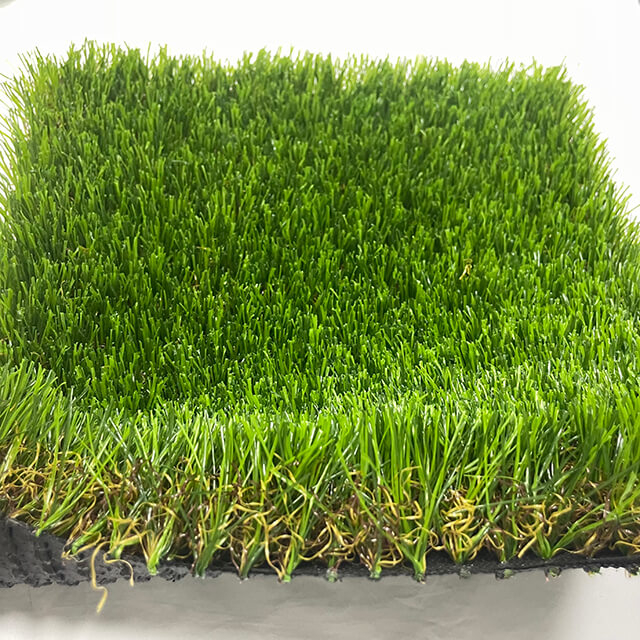
Additionally, choosing the right type of grass is crucial. For example, Qingdao XiHY Artificial Grass Company offers durable artificial turf solutions designed specifically for pet owners. Their products are resistant to wear and tear, making them ideal for active pets.
By understanding the needs of both pets and lawns, owners can create a harmonious environment. This balance ensures pets have a safe place to play while maintaining a beautiful lawn.
Incorporating these insights into lawn care practices will help pet owners enjoy the best of both worlds: a thriving lawn and happy pets.
Creating a comfortable and safe space for your pets is essential for their well-being. Shelters not only provide shade but also protect pets from harsh weather conditions, ensuring they remain safe and happy. Here are some effective options to consider:
● Doghouses: These are a great choice for providing a cozy retreat. Look for doghouses made from durable materials like wood or insulated plastic that can withstand rain, snow, and sun. Ensure the size is appropriate; your pet should be able to stand, turn around, and lie down comfortably.
● Shaded Areas: If a doghouse isn’t feasible, consider using tarps or canopies to create shaded spots in your yard. This can help keep pets cool during hot summer days while offering them a safe space to relax.
● Placement Tips: Position shelters away from direct wind and heavy rain. A sheltered area can be enhanced with soft bedding to make it inviting for your pets.
Hydration is crucial for your pets, especially during outdoor play. Accessible water sources not only keep them healthy but also help prevent overheating. Here are some creative ideas for providing fresh water:
● Doggie Fountains: These provide a continuous flow of fresh water, encouraging pets to drink more. Many models are designed to filter out impurities, ensuring clean water at all times.
● Hoses with Spray Nozzles: Setting up a hose with a spray nozzle not only provides quick access to water but can also be a fun way for pets to cool off during hot days.
● Water Stations: Consider installing multiple water bowls or stations around your yard. This ensures that no matter where your pet is playing, they have access to hydration.
Regularly check and clean these water sources to prevent stagnation and ensure your pets are always drinking fresh water. This practice also contributes to maintaining a clean lawn, as pets are less likely to relieve themselves in areas where they drink.
Establishing a specific area for pets to relieve themselves can significantly reduce lawn damage. Here’s how to create an effective potty zone:
● Artificial Turf from XiHY: This type of turf is designed for easy cleanup and drainage, making it an ideal choice for a potty area. It can withstand the wear and tear of frequent use without turning brown.
● Training Tips: To encourage your pets to use this designated spot, take them there regularly, especially after meals or playtime. Use positive reinforcement, like treats or praise, to reward them when they use the area.
● Maintenance: Regularly clean the potty area to prevent odors and keep it hygienic. A simple rinse with water can help keep the turf fresh and odor-free.
By minimizing the impact of pet waste on your lawn, you can maintain a healthier and more attractive yard.
Understanding your dog’s natural patrol routes can help maintain lawn health while allowing them to explore. Dogs often have specific paths they like to follow. Here’s how to enhance these routes:
● Durable Grass Types: Installing grass varieties that can withstand heavy foot traffic is crucial. Options like those offered by XiHY are designed for durability and can maintain their appearance even under frequent use.
● Landscaping Suggestions: Design your lawn layout to accommodate these paths. Consider using mulch or gravel along the patrol routes to reduce wear on the grass and provide a distinct path for your pets.
● Encourage Exploration: Adding elements like small bushes or flower beds along these paths can stimulate your pet’s curiosity and make their outdoor experience more enjoyable.
By recognizing and enhancing these patrol paths, you can create a lawn that looks good while allowing pets to enjoy their natural instincts.
Keeping pets active is vital for their physical and mental health. Incorporating exercise-friendly spaces into your lawn design can greatly enhance their outdoor experience. Here are some suggestions:
● Agility Equipment: Consider setting up agility equipment like tunnels, jumps, and weave poles. These not only encourage physical activity but also provide mental stimulation through training exercises.
● Play Structures: Adding platforms, ramps, or even small hills can create fun challenges for your pets. This encourages exploration and interaction, making the yard a dynamic play area.
● Open Spaces for Play: Ensure there are open areas for games like fetch or frisbee. This promotes exercise and strengthens the bond between you and your pet.
Designing your lawn layout to promote interaction and exercise not only benefits your pets but also creates a lively atmosphere for family gatherings.
A secure fence is essential for protecting both your pets and your lawn from external threats. Here’s what to consider when choosing fencing:
● Types of Fencing: Select fencing that blends with your landscaping while being functional. Options include wood, vinyl, or decorative metal that complements your home’s aesthetic.
● Effectiveness Against Digging: Ensure the fence is buried at least a few inches underground to prevent pets from digging underneath. This is especially important for breeds known for their digging habits.
● Height and Security: The fence should be tall enough to prevent jumping. Adding features like lattice tops can enhance security while maintaining an attractive appearance.
By investing in a well-designed fence, you can keep your pets safe while allowing them to enjoy the outdoors without worry. This investment not only protects your pets but also helps maintain the integrity of your lawn.
Implementing these strategies can create a pet-friendly lawn that remains beautiful and functional. Your pets will appreciate the effort, and you’ll enjoy a thriving outdoor space.
Cleaning up after pets is essential for maintaining a healthy lawn. Prompt waste removal prevents damage and keeps your yard looking its best. Here are some best practices:
● Daily Cleanup: Make it a habit to check your lawn daily for pet waste. The sooner you remove it, the less likely it will harm your grass.
● Rinsing Areas: After cleaning, rinse the areas where pets relieve themselves. This helps dilute any remaining nitrogen from urine, reducing the risk of brown spots.
● Designated Cleanup Tools: Use dedicated tools, like pooper scoopers and biodegradable bags, to make the process easier and more efficient.
By following these steps, you can minimize the impact of pet waste on your lawn, ensuring it remains lush and healthy.
Selecting the right grass type is crucial for a durable lawn that can withstand pet activity. Here are some options to consider:
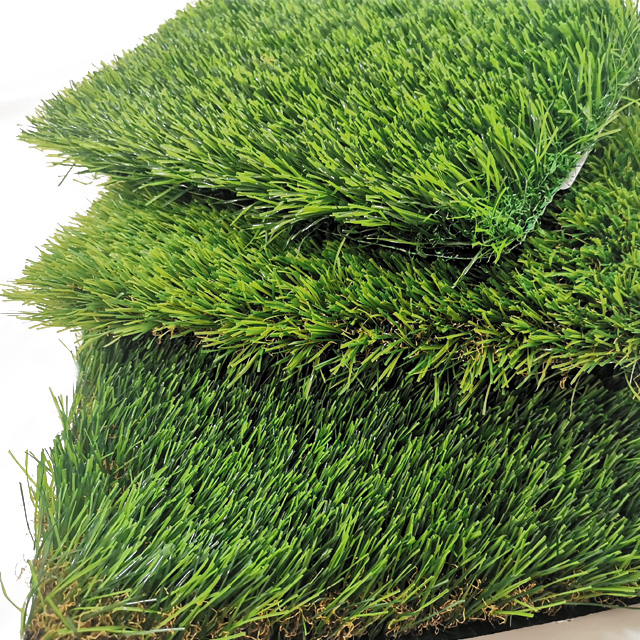
● XiHY Artificial Grass: This type of turf is highly durable and designed specifically for pets. It resists wear and tear, making it ideal for active play.
● Natural Grass Varieties: If you prefer natural grass, consider options like Kentucky Bluegrass or Bermuda Grass. These are known for their resilience and ability to recover quickly from damage.
Grass Type | Durability | Maintenance |
XiHY Artificial Grass | High | Low |
Kentucky Bluegrass | Moderate | Moderate to High |
Bermuda Grass | High | Low to Moderate |
Choosing the right grass type ensures your lawn can handle the rigors of pet play while maintaining its appearance.
When caring for your lawn, it's essential to avoid harmful chemicals that can endanger your pets. Here’s what to consider:
● Organic Products: Opt for organic fertilizers and pest control solutions. These are effective and safe for pets, reducing the risk of exposure to harmful substances.
● Pet-Safe Herbicides: If weeds are a problem, look for herbicides labeled as pet-friendly. These can help maintain your lawn without compromising your pets' safety.
● Natural Pest Control: Consider using natural remedies, like diatomaceous earth or neem oil, to keep pests at bay. These options are less toxic and environmentally friendly.
Using safe lawn care products protects your pets while ensuring your lawn remains healthy and vibrant.
Regularly inspecting your lawn for hazards is vital for your pets' safety. Here are common issues to watch for:
● Sharp Objects: Check for broken glass, metal pieces, or sharp stones that could injure your pets. Regularly clean up any debris.
● Toxic Plants: Some common garden plants can be harmful to pets. Familiarize yourself with toxic species, such as azaleas, lilies, and oleander, and remove them from your yard.
● Chemical Residues: After applying any lawn care products, ensure that your pets stay off the lawn until it's safe. Always read labels for specific re-entry times.
By keeping an eye on these potential hazards, you create a safer environment for your pets, allowing them to enjoy your lawn without worry.
Implementing these additional lawn care tips can significantly enhance your lawn's health and safety for your pets. A little effort goes a long way in creating a beautiful and functional outdoor space.
In this article, we discussed six effective strategies for improving lawns for pets.
These include providing shelter, a fresh water supply, and a designated potty area.
Pet owners are encouraged to take proactive steps for lawn improvement and maintenance.
Finding a balance between a beautiful lawn and a safe space for pets is essential.
Qingdao XiHY Artificial Grass Company offers durable solutions tailored for pet owners, ensuring a thriving lawn.
A: Yes, you can mitigate damage by rinsing areas after your pet urinates and using durable grass types.
A: Pet-friendly options include Kentucky Bluegrass, Bermuda Grass, and XiHY's artificial grass for durability.
A: Repair brown spots by reseeding the affected areas and ensuring regular watering to promote growth.
A: Avoid toxic plants like azaleas, lilies, and oleander to keep your pets safe.
A: Clean your lawn daily to maintain cleanliness and prevent damage to the grass.


