
WhatsApp

close
Choose Your Site
Global
Social Media


Are you tired of constant lawn maintenance? Artificial grass might be the solution you need. Synthetic turf offers numerous benefits that make it a smart choice for homeowners and businesses alike. In this post, you'll learn about its low maintenance, environmental advantages, durability, aesthetic appeal, safety, cost-effectiveness, and versatility. Discover why considering synthetic turf could transform your outdoor space.
Synthetic turf stands out for its remarkable ability to perform well in almost any weather. Unlike natural grass, which can become muddy, patchy, or even unusable after heavy rain or snow, synthetic turf remains consistently playable. Its built-in drainage systems allow water to pass through quickly, preventing puddles and soggy spots. This means no delays or cancellations due to wet conditions. During hot, dry spells, synthetic turf does not brown or die out, maintaining a lush green look without watering.
In snowy or icy weather, while synthetic turf may get covered, it does not suffer the same damage natural grass does. It can be cleared and used sooner after snowfall compared to natural fields. Additionally, synthetic turf does not develop bald patches or muddy areas from overuse during wet seasons, making it ideal for locations with unpredictable climates.
For sports clubs, schools, and recreational facilities, synthetic turf offers a reliable playing surface year-round. Athletes benefit from consistent footing and surface firmness, which natural grass often fails to provide after rain or frost. This consistency helps reduce the risk of injuries caused by uneven or slippery ground.
Synthetic turf also supports intensive use. Natural grass fields need time to recover after games or training sessions, especially during bad weather, often leading to scheduling conflicts or field closures. Synthetic turf fields can handle back-to-back games and heavy training without deteriorating, increasing usage capacity and revenue for sports organizations.
Moreover, synthetic turf allows multi-sport adaptability. Facilities can host football, rugby, hockey, and other sports on the same surface without worrying about turf damage. This versatility maximizes the utility of outdoor spaces, making synthetic turf a smart investment for sports venues.
One major advantage of synthetic turf is how little upkeep it demands. Forget about mowing, watering, or fertilizing your lawn every week. Synthetic turf stays green and neat without any of this work. It eliminates the hassle of regular lawn care chores, freeing up your time for other activities. You won't need to worry about brown patches or uneven growth, as synthetic turf maintains a consistent look year-round.
Since it doesn't grow like natural grass, synthetic turf never needs mowing. This means no noisy lawnmowers or scheduling lawn care around your busy day. Plus, it doesn’t require watering, which is a huge benefit in areas with water restrictions or drought conditions. By skipping irrigation, you save water and reduce your utility bills significantly.
Synthetic turf can also cut down on lawn care expenses. Without mowing, watering, or fertilizing, you eliminate costs for equipment, fuel, water, and lawn chemicals. You also avoid paying for professional lawn care services. Over time, these savings add up, making synthetic turf a cost-effective choice.
Maintenance mainly involves occasional cleaning and brushing to keep the turf fibers upright and remove debris. These tasks are simple and infrequent compared to natural lawn care. Synthetic turf’s durability means it won’t need frequent replacement, reducing long-term expenses.
For sports facilities, schools, and commercial spaces, synthetic turf reduces labor and maintenance costs while providing a reliable, attractive surface. This allows more budget flexibility for other priorities.
Synthetic turf is crafted from high-quality materials designed to endure heavy use and harsh conditions. Most artificial grass fibers are made from polyethylene, a plastic known for its softness and natural appearance. Polyethylene also offers excellent wear resistance, making it ideal for sports fields and residential lawns alike. Some turfs include nylon fibers for added strength, especially in areas with intense foot traffic.
Backing materials play a crucial role in durability too. They are typically made from sturdy, weather-resistant fabrics that support the turf fibers and allow for proper drainage. Advanced backing systems prevent tearing and help the turf maintain its shape over time.
UV inhibitors are embedded in the fibers to protect against sun damage. These additives prevent fading and brittleness, ensuring the turf stays vibrant and resilient even under strong sunlight. This is especially important for outdoor installations exposed to long hours of direct sun.
Manufacturers continuously improve synthetic turf technology, incorporating antimicrobial properties to reduce bacteria and mold growth. This enhances the turf’s lifespan and keeps it safe for children and pets.
Most synthetic turf products come with warranties ranging from 8 to 15 years, depending on the brand and product quality. For example, premium sports turf brands often offer warranties of 12 to 15 years, reflecting confidence in their product's durability under heavy use.
The actual lifespan of synthetic turf can exceed the warranty period if properly installed and maintained. Factors like climate, usage intensity, and cleaning routines influence how long the turf lasts. On average, homeowners can expect 10 to 20 years of use, while commercial or sports turf might last 8 to 15 years before needing replacement.
Proper installation is key to maximizing lifespan. A well-prepared base, good drainage, and professional laying techniques prevent premature wear and damage. Routine maintenance, such as brushing fibers upright and removing debris, also extends turf life.
Durability makes synthetic turf a cost-effective long-term investment. It withstands intense use, weather extremes, and heavy foot traffic without losing its look or performance. This reliability benefits sports clubs, schools, commercial properties, and homeowners alike.
Synthetic turf stays green and vibrant all year long, no matter the season. Unlike natural grass, it doesn't go dormant or turn brown during cold winters or dry summers. This consistency comes from advanced UV protection built into the turf fibers. UV inhibitors shield the grass from sun damage, preventing fading and brittleness over time.
Even under intense sunlight, synthetic turf maintains its lush color and soft texture. This makes it ideal for sunny climates or areas exposed to strong UV rays. The color stability ensures your lawn or sports field looks fresh and inviting throughout the year, without the need for reseeding or patch repairs.
A year-round green lawn enhances any landscape's beauty and curb appeal. Synthetic turf creates a clean, uniform look that stays neat without the uneven growth or bare spots natural grass often develops. This makes it perfect for residential yards, commercial properties, parks, and sports venues.
Landscapers and property managers appreciate how artificial grass provides a consistently attractive surface that requires minimal upkeep. It complements flower beds, walkways, and outdoor living spaces, boosting property value and visual appeal.
For homeowners, synthetic turf offers a worry-free lawn that looks great for gatherings, playtime, or relaxation. It also eliminates the frustration of patchy or muddy areas after rain or drought. This reliable greenery adds a welcoming vibe to any outdoor space, making it more enjoyable year-round.
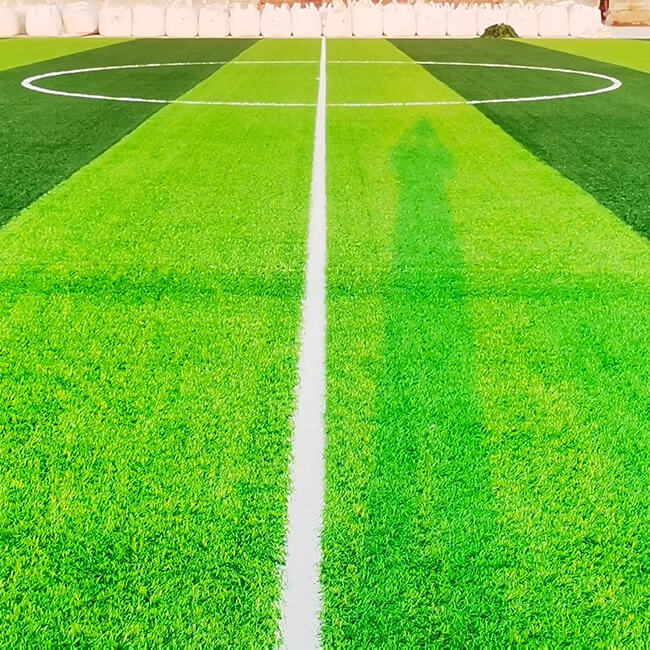
Synthetic turf may require a higher upfront cost compared to natural grass installation. This initial investment covers materials, professional installation, and a quality base to ensure durability. However, when you consider long-term savings, synthetic turf proves to be highly cost-effective.
Natural grass demands ongoing expenses: watering, mowing, fertilizing, pest control, and lawn care services. These costs accumulate year after year. Synthetic turf eliminates most of these expenses. It needs no watering, no mowing, and no chemical treatments. Over time, this can save thousands of dollars, especially in areas with high water costs or strict irrigation restrictions.
Additionally, synthetic turf's durability means fewer replacements or repairs. A well-installed turf can last 10 to 15 years or more, providing value over a long period. The reduction in maintenance labor also frees up time and resources for other priorities, making it a smart financial choice.
Schools, sports clubs, and community organizations benefit greatly from synthetic turf's cost-effectiveness. These facilities often face tight budgets and heavy usage demands. Synthetic turf allows them to maximize field availability without incurring high maintenance costs.
With natural grass, fields may need rest periods for recovery, limiting usage and reducing potential revenue from rentals or events. Synthetic turf fields support frequent use, increasing opportunities for income generation through external bookings or extended practice hours.
Moreover, synthetic turf's multi-sport adaptability lets schools and clubs host various activities on the same surface, reducing the need for multiple fields. This lowers capital expenses and ongoing maintenance costs.
Many institutions find synthetic turf a worthwhile investment that balances quality, usability, and budget constraints. Grants and funding programs may also be available to support installation projects, enhancing affordability.
One of the most significant environmental advantages of synthetic turf is its ability to conserve water. Natural grass lawns require regular watering to stay green and healthy, often consuming thousands of gallons annually. Synthetic turf eliminates the need for irrigation, saving substantial water resources, especially in drought-prone or water-restricted areas. This reduction in water usage helps lower utility bills and supports sustainable water management efforts.
Unlike natural lawns that suffer during dry spells, synthetic turf maintains its lush appearance without any watering. Its built-in drainage system also prevents water runoff and soil erosion, contributing positively to local ecosystems. By choosing synthetic turf, homeowners, schools, and commercial properties can make a meaningful impact on water conservation.
Synthetic turf also reduces the environmental impact related to chemical treatments. Natural grass often requires fertilizers, pesticides, and herbicides to control weeds and pests and to promote healthy growth. These chemicals can leach into the soil and waterways, causing pollution and harming wildlife.
With synthetic turf, there's no need for these chemicals. It stays green and weed-free without fertilizers or pesticides, resulting in fewer toxins entering the environment. This makes synthetic turf a safer choice for children, pets, and wildlife, creating a healthier outdoor space.
Moreover, synthetic turf eliminates the emissions associated with lawn maintenance equipment such as gas-powered mowers and trimmers. This reduction in air pollution contributes to cleaner air quality and a smaller carbon footprint.
Tip: Opt for synthetic turf products made from recyclable materials and those certified for low environmental impact to maximize eco-friendly benefits.
Synthetic turf offers a safe environment for children and pets. Modern products use non-toxic materials free from harmful chemicals like lead or heavy metals. Many manufacturers comply with strict safety standards and certifications to ensure their turf is safe for play and daily use. This means you can trust synthetic turf to provide a healthy surface where kids and pets can roam freely without exposure to pesticides or fertilizers common on natural lawns.
Some synthetic turf options feature antimicrobial treatments that help reduce bacteria and germs. These treatments enhance hygiene, especially in play areas or pet zones, minimizing the risk of infections. Additionally, synthetic turf does not attract insects like ticks or mosquitoes, lowering the chances of bites or related illnesses.
Safety also comes from the turf's soft and cushioned surface. Synthetic turf systems often include a shock-absorbing underlayer or infill materials such as rubber granules or foam pads. These layers provide extra cushioning to reduce impact from falls, making the turf ideal for playgrounds, backyards, and pet runs.
The fibers themselves are designed to be soft and flexible, mimicking natural grass texture without the roughness or prickliness. This softness prevents scrapes and skin irritation during play. Moreover, synthetic turf maintains consistent surface firmness, avoiding hard or uneven spots that could cause trips or injuries.
For families with active kids or pets, synthetic turf offers a clean, safe, and comfortable outdoor space all year round. It eliminates mud, reduces allergens, and provides a reliable surface for running, jumping, and exploring.
Synthetic turf isn't just for traditional lawns. It adapts well to many creative outdoor spaces. You can install it on patios, decks, rooftops, and balconies to add a soft, green touch where natural grass can't grow. For example, rooftop gardens benefit from synthetic turf because it protects roofing materials and creates a pleasant area for relaxation or events.
Playgrounds and recreational areas also gain from synthetic turf's versatility. Its durable, cushioned surface makes it ideal for kids' play zones. It provides a clean, mud-free environment that stays safe and comfortable year-round. Pet owners often use synthetic turf in dog runs or pet-friendly yards because it’s easy to clean and resists damage from digging or urine.
Synthetic turf works well for sports courts and putting greens too. It offers a consistent surface for tennis, golf, or multi-sport areas, enhancing usability and reducing maintenance. Event organizers use synthetic turf for temporary flooring at fairs, exhibitions, or outdoor gatherings, creating attractive, functional spaces quickly.
Beyond functionality, synthetic turf boosts outdoor aesthetics. It creates a lush, green backdrop that enhances gardens, walkways, and pool surrounds. Its uniform appearance adds a polished look that natural grass may struggle to maintain, especially in shady or high-traffic areas.
Designers use synthetic turf to create visually striking landscapes, combining it with stones, planters, or water features. It can define spaces or add color contrast, making outdoor areas more inviting. For commercial properties, synthetic turf offers a neat, professional appearance that requires minimal upkeep, helping maintain curb appeal.
In urban environments, synthetic turf brings greenery where soil and grass are scarce. It transforms concrete or paved areas into vibrant, usable spaces. This adaptability supports creative landscaping projects, such as green walls or vertical gardens, where synthetic turf complements other plants.
Overall, synthetic turf’s flexibility allows property owners and designers to rethink outdoor space possibilities. It opens doors to innovative, low-maintenance solutions that combine beauty, safety, and practicality.
Synthetic turf offers numerous benefits, including all-weather usability, low maintenance, durability, and environmental advantages. It remains green year-round, is cost-effective, safe for children and pets, and versatile in application. Consider synthetic turf for its practical and aesthetic value. Qingdao XiHY Artificial grass provides high-quality products that enhance outdoor spaces efficiently. Their artificial grass solutions deliver lasting beauty and utility, making them a smart choice for homeowners, schools, and sports venues seeking reliable and attractive surfaces.
A: Artificial grass is primarily made of polyethylene fibers, known for their softness and durability. Some products may include nylon fibers for added strength, especially in high-traffic areas.
A: Artificial grass performs well in various weather conditions due to its built-in drainage systems, which prevent puddles and soggy spots, and UV protection to maintain its color and texture.
A: Artificial grass offers consistent footing, multi-sport adaptability, and requires less downtime for maintenance, making it ideal for sports facilities with heavy usage demands.
A: Artificial grass eliminates the need for mowing, watering, and fertilizing, significantly reducing costs for equipment, water, and lawn care services.
A: Yes, artificial grass is made from non-toxic materials and often includes antimicrobial treatments, ensuring a safe and clean environment for children and pets.


