
WhatsApp

close
Choose Your Site
Global
Social Media


Is your patio just a hard, dull surface you rarely use? Many homeowners are now upgrading with artificial grass to create more comfortable outdoor spaces. Today’s patio turf is designed with durable fibers and built-in drainage. In this article, you will learn the key advantages, cost factors, and whether it’s a smart long-term investment.
Traditional patios made of concrete, tile, or wood often feel rigid and uninviting, especially for extended use. Replacing or covering these surfaces with artificial grass for patio areas introduces a softer, more natural texture that enhances comfort underfoot. This transformation makes the space more suitable for activities like lounging, barefoot walking, or casual gatherings.
Artificial turf also creates a more functional environment for families. Children benefit from a cushioned surface that reduces the impact of falls, while pet owners gain a cleaner, mud-free area for daily use. Unlike natural grass, which can wear out or become patchy, synthetic turf maintains a consistent surface even under frequent foot traffic.
In terms of material performance, many modern patio turf products use a combination of polyethylene (PE) and polypropylene (PP) fibers. This structure helps balance softness and resilience, offering both comfort and durability in high-use outdoor living areas.
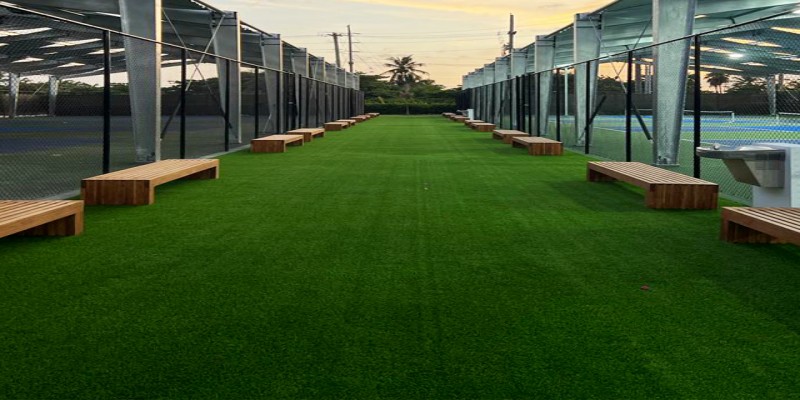
One of the biggest advantages of artificial grass is its adaptability to environments where natural grass struggles. Urban patios, balconies, rooftops, and shaded corners often lack the soil depth, sunlight, or drainage needed for real lawns. Artificial turf eliminates these constraints entirely.
Because it does not rely on irrigation systems or soil conditions, installation is straightforward and flexible. This makes it especially appealing for apartment dwellers or homeowners looking to upgrade compact outdoor areas without major renovation.
Below is a comparison of natural grass vs artificial grass for challenging patio environments:
Feature | Natural Grass | Artificial Grass |
Requires soil | Yes | No |
Needs regular watering | Yes | No |
Suitable for shaded areas | Limited | Yes |
Installation on hard surfaces | Not feasible | Easily installed |
Maintenance level | High | Low |
This flexibility allows users to introduce greenery into spaces that would otherwise remain unused or purely decorative.
Artificial grass offers a high level of customization, making it suitable for patios with unique layouts or design goals. It can be easily cut and shaped to fit curved edges, narrow walkways, or irregular corners without compromising visual continuity.
From a design perspective, artificial turf pairs well with other outdoor materials such as stone pavers, wooden decking, or concrete slabs. This allows homeowners to create visually dynamic patterns, such as alternating grass and stone sections or framing seating areas with green borders.
Additionally, variations in pile height, color blends, and density provide options for achieving different aesthetic effects—from a lush, natural lawn look to a more structured, modern finish. This adaptability supports a wide range of outdoor patio turf design styles without requiring extensive landscaping work.
One of the most compelling reasons homeowners choose artificial grass for patios is the dramatic reduction in maintenance. Unlike natural lawns that demand regular mowing, watering, fertilizing, and weed control, synthetic turf eliminates these ongoing tasks entirely. This makes it especially appealing for busy households or those looking to simplify outdoor upkeep.
Routine care is minimal and straightforward. Occasional rinsing with water helps remove dust or pet residue, while light brushing keeps the fibers upright and evenly distributed. This low-effort maintenance approach not only saves time but also reduces recurring expenses tied to lawn equipment, water bills, and landscaping services. Over time, the convenience factor becomes one of the most noticeable lifestyle improvements.
Artificial turf is engineered to withstand a wide range of environmental conditions, making it a reliable surface for patios exposed to sun, rain, and heavy use. High-quality products incorporate UV stabilizers that protect the fibers from fading, allowing the grass to retain its color even after prolonged sun exposure.
Another key performance feature is its drainage capability. Most artificial grass systems are designed with permeable backing that allows water to pass through efficiently, preventing puddles and reducing slip hazards after rain. This ensures that patio surfaces remain usable shortly after wet weather.
In addition, dense fiber construction enhances durability. The turf can handle frequent foot traffic, furniture placement, and active use without flattening or wearing out quickly. The combination of structural resilience and weather resistance makes it suitable for both residential and semi-commercial patio applications.
Artificial grass provides a safe and comfortable surface for everyday activities involving children and pets. The fibers are typically soft yet supportive, offering a cushioned feel that helps reduce the impact of falls during play. This makes it a practical choice for families who use their patio as an extension of indoor living space.
For pet owners, specialized turf options are available with features such as antimicrobial treatments and odor-control infill. These enhancements help maintain hygiene and reduce unpleasant smells, even with frequent use. Additionally, the efficient drainage system allows liquids to pass through quickly, keeping the surface dry and easier to clean.
Water conservation is a major advantage of switching to artificial turf, particularly in regions with limited rainfall or water restrictions. Natural grass requires consistent irrigation to stay green, while artificial grass maintains its appearance without any watering.
The environmental benefits extend beyond water savings. By eliminating the need for fertilizers, pesticides, and gas-powered lawn equipment, artificial turf reduces chemical runoff and air pollution. This contributes to a cleaner outdoor environment and lowers the overall ecological footprint associated with traditional lawn care.
Environmental Factor | Natural Grass | Artificial Grass |
Water usage | High | Minimal |
Chemical treatments | Required | Not required |
Emissions from equipment | Present | None |
Year-round appearance | Seasonal variation | Consistent |
These combined advantages make artificial grass a practical solution for those seeking both convenience and long-term sustainability in patio design.
The cost of artificial grass for patio applications varies primarily based on material composition, manufacturing quality, and technical specifications. On average, material prices range from $1.60 to $6.00 per square foot, with lower-end options offering basic performance and higher-end products delivering enhanced durability and realism.
Several technical factors directly influence pricing. Fiber type plays a central role, with polyethylene (PE) commonly used for its soft, natural feel, while polypropylene (PP) adds structural strength. Many modern patio turf products combine these materials to balance comfort and resilience. In addition, parameters such as density (tufts per square meter), Dtex (fiber thickness), and pile height all affect both cost and performance. Higher density and thicker fibers generally result in better wear resistance but also increase material cost.
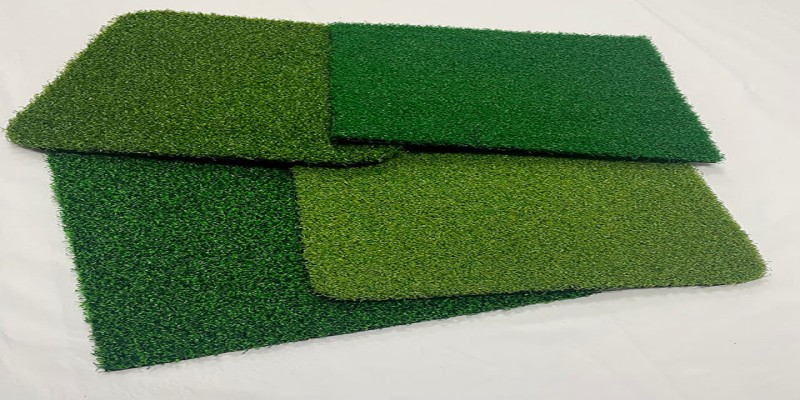
Installation is another major component of the total investment. Homeowners typically choose between DIY installation and hiring professionals, each with different cost implications and levels of complexity.
Installation Type | Average Cost (per sq. ft.) | Key Considerations |
DIY Installation | $3.00 – $6.00 | Lower cost, requires time and basic tools |
Professional Install | $8.00 – $20.00 | Higher cost, ensures proper leveling & fit |
Patio turf projects are often more cost-efficient compared to full lawn installations because they are usually installed over existing hard surfaces such as concrete or decking. This reduces the need for excavation, base layers, or extensive ground preparation. However, proper surface cleaning and minor leveling are still essential to achieve a smooth and long-lasting result.
Several variables can significantly influence the final cost beyond materials and installation method:
● Patio size and layout complexity Larger areas naturally increase total cost, but irregular shapes or tight corners may also lead to additional cutting, waste, and labor time.
● Base condition and preparation needs Installing turf on a flat concrete surface is typically more affordable than working on uneven or damaged foundations. In some cases, adding drainage layers or shock pads may be necessary to improve performance and comfort.
● Product specifications and customization Choices such as pile height, color blending, and fiber density can affect both appearance and price. Higher specifications often provide better durability and a more natural look but come at a premium.
● Optional accessories and add-ons Items like seam tape, adhesives, infill materials, or drainage mats can add to the total budget, especially in more customized patio designs.
At first glance, installing artificial grass for patio spaces can seem expensive compared to leaving existing concrete or wood surfaces unchanged. However, the financial perspective shifts when long-term costs are considered. Natural grass or traditional outdoor surfaces often require ongoing expenses such as watering, cleaning, repairs, or seasonal treatments, all of which accumulate over time.
Artificial turf, by contrast, involves a one-time installation cost followed by minimal upkeep. There are no irrigation systems to maintain, no fertilizers to purchase, and no lawn care services required. Over several years, these savings can offset the initial investment, especially in regions where water costs are high or outdoor maintenance is labor-intensive.
Beyond cost savings, artificial turf delivers practical performance advantages that contribute to its overall value. A well-installed patio turf system can last 5 to 10 years or more, depending on usage levels, product quality, and environmental conditions. This longevity reduces the need for frequent replacements or repairs.
From a usability standpoint, artificial grass transforms patios into more versatile spaces. It creates a consistent, comfortable surface suitable for daily activities, from relaxing outdoors to hosting gatherings. Visually, it enhances the overall appearance of the area by introducing a clean, green aesthetic that remains stable throughout the year.
Value Aspect | Artificial Grass Patio | Traditional Patio Surface |
Maintenance costs | Minimal | Ongoing |
Lifespan | 5–10+ years | Varies (often requires upkeep) |
Visual consistency | Year-round green | Can fade or wear |
Usability | Soft, multi-purpose surface | Hard, limited comfort |
Despite its advantages, artificial grass is not without limitations. One commonly noted concern is heat retention. In direct sunlight, synthetic fibers can absorb and hold heat, making the surface warmer than natural grass. This can be mitigated through design strategies such as adding shade structures or occasionally cooling the surface with water.
Another factor to consider is material composition. Artificial turf is typically made from synthetic, petroleum-based materials, which raises questions about long-term environmental impact. While it reduces water use and eliminates chemical treatments, it is not biodegradable and may require proper disposal or recycling at the end of its lifespan.
Patio turf advantages and cost come down to balancing upfront investment with long-term value. Artificial grass offers low maintenance, durability, and improved outdoor comfort for everyday use. Products from Qingdao XiHY Artificial grass company provide reliable performance with strong UV resistance and drainage, helping homeowners create practical, long-lasting patio spaces suited to their needs.
A: Artificial grass offers low maintenance, consistent appearance, and durable performance in outdoor patio environments.
A: Artificial grass typically costs $3–$20 per sq. ft., depending on materials and installation method.
A: Yes, artificial grass with high density and strong fibers handles frequent foot traffic effectively.
A: Most artificial grass includes permeable backing to allow efficient water drainage on hard surfaces.
A: Quality artificial grass can last 5–10 years or longer under typical patio usage conditions.


