
WhatsApp

close
Choose Your Site
Global
Social Media
Author: Site Editor Publish Time: 2026-03-23 Origin: Site


Artificial grass sounds almost maintenance-free, but that is not the full story. So how much work does synthetic turf really need: weekly care or just occasional cleanup? In this article, you will learn how much work artificial turf maintenance actually requires and what everyday upkeep usually looks like.
One of the biggest reasons people switch to synthetic turf is simple: they want a yard that looks neat without turning into a weekly chore. In real life, artificial turf maintenance usually takes only a few hours per year for an average residential space, especially when compared with natural grass, which often needs constant mowing, watering, edging, feeding, and seasonal repair work. Source material reviewed for this section consistently frames synthetic turf as low-maintenance rather than maintenance-free, with the actual workload centered on light cleaning and occasional upkeep rather than routine lawn labor.
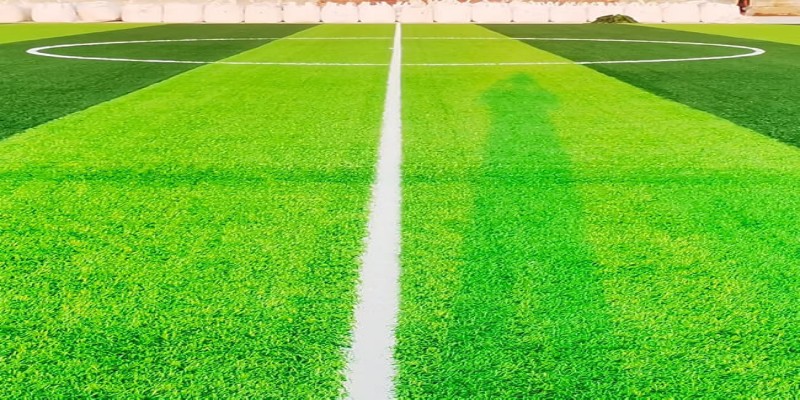
For most households, the time commitment stays modest because the core jobs are small and infrequent. There is no mowing schedule to keep up with, no irrigation routine to manage, and no fertilizer cycle to plan around. Instead, maintenance tends to involve short sessions of debris removal, a light rinse when dust builds up, and occasional brushing to keep the surface looking fresh. The difference is not just about saving minutes here and there—it changes the whole pattern of lawn care from recurring weekly work to occasional touch-ups.
Lawn Care Task | Natural Grass | Synthetic Turf |
Mowing | Regular and ongoing | Not required |
Watering | Frequent in many climates | Not required for growth |
Fertilizing | Seasonal | Not required |
Basic cleaning | Limited | Occasional rinsing or debris removal |
Annual workload | High and recurring | Usually only a few hours |
The main reason artificial turf feels so easy to manage is that it does not grow. Once installed, it does not need the ongoing biological care that natural grass demands. You are not trying to keep it alive—you are simply keeping it clean and presentable. That shifts maintenance from labor-heavy yard work to simple surface care, which is far less demanding for most homeowners.
A few practical factors make the workload feel even lighter:
● most day-to-day care is limited to removing leaves, dust, or light debris
● upkeep is usually visual and hygienic, not structural
● tasks are easy to fit into normal outdoor cleaning routines rather than full lawn-care sessions
Product construction also plays a role. Some options, such as XiHY synthetic turf, are designed with weather-resistant materials and drainage support, which can reduce how often owners need to deal with standing water, visible wear, or cleanup after rain. That does not make maintenance disappear, but it does make the routine more manageable over time.
The good news about synthetic turf is that the maintenance is usually simple, practical, and easy to fit into normal outdoor cleaning routines. You are not dealing with the constant cycle of mowing, watering, feeding, and repairing that comes with natural grass. Instead, most upkeep falls into three groups: quick surface cleaning, occasional grooming, and infrequent deeper care. Source material consistently points to debris removal, rinsing, brushing, edge checks, and periodic infill review as the core tasks that keep artificial grass looking tidy and performing well over time.
Most of the routine work is light cleaning. Leaves, dust, twigs, and other debris do not disappear on their own, so they need to be cleared before they build up, trap moisture, or affect drainage. In dusty climates, or during dry periods with little rain, a quick rinse with a garden hose is often enough to freshen the surface and wash away pollen or fine dirt. These jobs are short, but they matter because they prevent small surface issues from turning into a messier cleanup later.
Maintenance type | What you do | Typical frequency |
Surface cleanup | Remove leaves, twigs, dust, and loose debris | Weekly or as needed |
Light rinsing | Hose off dust, pollen, or pet-use areas | As needed in dry or dusty weather |
Brushing | Lift flattened fibers with a stiff broom or rake | Monthly or after heavy use |
Edge check | Look for weeds or shifting along seams and borders | Occasionally |
Deep care | Deep clean and inspect infill levels | Once a year or based on wear |
Beyond quick cleanup, the most important occasional task is brushing. Artificial grass fibers can flatten over time in walkways, play zones, or areas under furniture. Brushing against the grain helps the blades stand upright again and keeps the lawn from looking worn or matted. Several source passages describe this grooming step as the key task for preserving a full, natural appearance, especially in higher-traffic areas.
Edge checks are also part of normal synthetic turf maintenance, even though they do not take long. Most weeds do not grow through the backing itself, but small airborne weeds can appear around seams, borders, or lifted edges. That is why a quick look around the perimeter every so often is useful. If you spot anything, hand-pulling or gentle spot treatment is usually enough, and that is much easier than ongoing weeding in a real lawn.
Long-term care is much less frequent, but it still plays a role in keeping artificial grass in good condition. One example is an annual deep clean. This usually means clearing the surface thoroughly, loosening trapped dirt, washing the turf more completely, and refreshing areas that get the most use. Some homeowners handle this themselves, while others schedule a more thorough service once a year.
Infill checks are another occasional job. Infill helps support the blades, adds cushioning, and contributes to drainage, so it is worth checking worn spots from time to time. This is especially relevant in areas with repeated foot traffic, pets, or frequent outdoor activity. You usually do not need to replace all of it, but some areas may need a light top-up if the surface starts to feel less even or the fibers stop standing as well as they used to.
In most homes, synthetic turf stays easy to manage, but there are a few situations where the maintenance becomes more noticeable. The important distinction is that the work usually does not become difficult; it simply becomes more frequent. Instead of adding major labor, these conditions create more repeat cleaning, especially when the lawn is used heavily by pets or when the surrounding environment drops more debris onto the surface. That is why homeowners often see the difference not in the type of task, but in how often they need to do it.
Pet use is one of the most common reasons artificial turf needs extra attention. Solid waste should be removed promptly, just as it would be on natural grass, but the surface also benefits from follow-up rinsing in the areas pets use most often. Urine does drain through the turf system, yet repeated use in the same spot can allow odor to build over time if those areas are ignored, especially in warm weather. Source material repeatedly points to prompt cleanup and regular rinsing as the practical way to keep pet-friendly turf clean and comfortable for daily use.
Situation | What changes | What it usually means |
Pets use the turf daily | More hygiene-focused care | Faster cleanup and regular rinsing in toilet areas |
Trees drop leaves or twigs | More surface debris | More frequent sweeping or blowing |
Dusty or dry surroundings | More fine particles settle | Occasional rinsing happens more often |
Pet-related maintenance usually stays manageable because the actions themselves are simple. What changes is the rhythm. A yard without pets may only need occasional rinsing, while a pet area may need regular flushing of high-use spots to prevent lingering smells. Some homeowners also use mild turf-safe cleaners or enzyme products when needed, but the core job is still routine cleanup rather than intensive restoration.
A yard surrounded by trees, windblown dust, or seasonal debris will also need more frequent care. Leaves, twigs, pollen, and fine dirt can settle into the surface and, if left in place too long, may affect appearance and drainage. This does not make synthetic turf hard to maintain, but it does mean that quick cleanups happen more often than they would in a cleaner or more sheltered location. The maintenance remains light, but the interval between cleanings gets shorter.
This kind of upkeep is usually straightforward:
● clear fallen leaves before they collect moisture
● rinse dust away during dry or windy periods
● pay closer attention in fall or under heavy tree cover
In other words, the extra work comes from the setting around the turf, not from the turf becoming difficult to care for.
For most homeowners, artificial turf already reduces maintenance significantly, but how you handle small tasks can make an even bigger difference over time. The key is not to do more work, but to avoid letting simple issues turn into time-consuming cleanups. In practice, low-effort synthetic turf maintenance comes down to consistency and simplicity rather than tools or techniques.
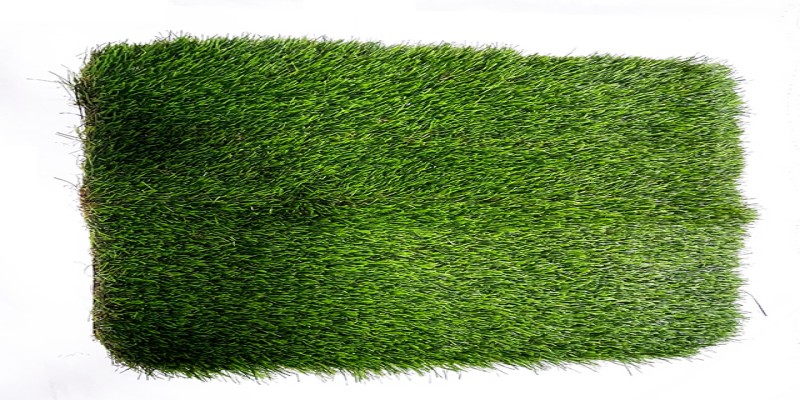
One of the easiest ways to keep maintenance minimal is to deal with small messes as soon as they appear. Leaves, dust, or minor spills are quick to remove when fresh, but if they sit too long, they can trap moisture, create buildup, or require more effort later. This is especially true in areas with regular foot traffic or changing weather conditions.
Instead of setting aside large blocks of time for cleaning, most homeowners find it easier to treat turf care as part of normal outdoor upkeep. A quick pass with a broom or a short rinse with a hose is often enough to keep the surface in good condition. Source material emphasizes that consistent light care prevents problems like debris accumulation, matting, and drainage issues, all of which are harder to fix once established.
Keeping the surface clean also helps preserve the long-term performance of the turf. When debris is removed regularly, the fibers stay upright, and the drainage system continues to function properly. Over time, this reduces the need for deeper cleaning or corrective maintenance.
Artificial turf does not require specialized or complicated equipment. In fact, using the right basic tools is often more effective than relying on heavy-duty or inappropriate ones. Most routine maintenance can be handled with just a few common items.
Tool | Purpose | Why it works |
Leaf blower or broom | Remove loose debris | Quick and prevents buildup |
Garden hose | Rinse dust and light dirt | Gentle cleaning without damage |
Synthetic-bristle brush | Lift and groom fibers | Maintains appearance and structure |
Using simple tools also reduces the risk of damaging the turf. Metal rakes, sharp-edged tools, or harsh chemical cleaners can harm the fibers or backing, which may lead to more maintenance in the long run. Source guidance consistently advises avoiding abrasive equipment and strong chemicals to protect both appearance and durability.
Another factor that affects how much work maintenance requires is the turf itself. Products designed with effective drainage and durable materials tend to stay cleaner and dry faster after rinsing or rain. This reduces how often you need to intervene and helps maintain a consistent, low-effort routine without adding extra steps.
Artificial turf is not completely maintenance-free, but the work is very light. In most cases, it only needs quick cleaning instead of ongoing lawn care. For homeowners who want less yard work, synthetic turf is a practical choice, and Qingdao XiHY Artificial grass company adds value with durable, easy-drain products built for simple upkeep.
A: Synthetic turf usually needs light cleaning, brushing, and occasional rinsing, not routine lawn care.
A: Synthetic turf may need weekly debris removal in dusty or high-traffic areas, but not intensive work.
A: Pets, heavy foot traffic, and leaf-heavy environments make synthetic turf cleaning more frequent.
A: Yes. Synthetic turf eliminates mowing, watering, and fertilizing, which greatly reduces labor.


