
WhatsApp

close
Choose Your Site
Global
Social Media
Author: Site Editor Publish Time: 2025-10-20 Origin: Site


Looking to transform your lawn without breaking the bank? Artificial grass offers a lush, low-maintenance alternative to natural turf. However, installing it cost-effectively is crucial for budget-conscious homeowners. In this post, you'll learn tips and tricks for laying artificial grass cheaply while enjoying its long-term benefits.
When planning artificial grass installation, knowing what drives costs helps you budget wisely and avoid surprises. Several key factors influence the price of artificial grass and its installation.
1. Material Quality: Higher-quality turf with dense fibers and UV protection costs more but lasts longer. Lower-grade turf may save money upfront but wear out faster.
2. Pile Height: Longer pile heights feel softer and look more natural but usually cost more. Shorter pile heights are cheaper and easier to maintain.
3. Yarn Type: Polyethylene is common and affordable. Nylon is tougher but pricier. Polypropylene is cheaper but less durable.
4. Backing and Drainage: Turf with advanced backing and drainage systems can be costlier but reduce installation and maintenance issues.
5. Area Size: Larger areas often benefit from bulk pricing, lowering the per-square-foot cost.
6. Installation Complexity: Uneven terrain or obstacles increase labor and material costs.
● Measure Accurately: Calculate your lawn's area precisely. Overestimating leads to wasted turf and money; underestimating causes delays and extra purchases.
● Factor in Base Preparation: Base materials like crushed stone or decomposed granite and labor can be a significant part of the budget.
● Consider DIY vs. Professional Installation: DIY saves labor costs but requires time and skill. Professionals charge more but ensure quality and speed.
● Plan for Accessories: Nails, seam tape, infill materials, and tools add to the total cost.
● Account for Maintenance: Although artificial grass requires less upkeep than natural grass, occasional cleaning and brushing maintain its look and longevity.
Item | Cost Estimate (£) |
Artificial Grass Turf | 800 – 1,200 |
Base Materials | 150 – 300 |
Installation Labor | 300 – 600 (DIY saves) |
Accessories & Tools | 50 – 100 |
Total | 1,300 – 2,200 |
Note: Prices vary by region, supplier, and project specifics.
By understanding these cost drivers, you can set a realistic budget and make informed choices about turf type, installation methods, and materials to balance quality and affordability.
Selecting the right artificial grass is key to keeping costs low while achieving a good look and feel. Here are three main ways to save money on turf without sacrificing too much on quality.
Artificial grass comes in different pile heights—the length of the grass blades. Shorter pile heights, typically between 20 to 35 millimeters, cost less than taller, denser turf. They use fewer materials and require less infill, which cuts both product and installation costs. While shorter piles may not feel as plush, they work well in decorative areas, patios, or places with low foot traffic. This makes them a budget-friendly choice for many homeowners.
The type of yarn used in artificial grass affects price and durability. Polyethylene (PE) turf offers a good balance of softness, resilience, and affordability. It looks natural and holds up well under everyday use. Compared to nylon, which is tougher but more expensive, PE turf saves you money upfront and still lasts long enough for typical residential settings. Polypropylene is cheaper but less durable, so PE is often the best budget compromise.
Many suppliers sell remnants—leftover pieces from larger projects—at a significant discount, sometimes up to 70% off. Using remnants can slash your turf costs, especially if your lawn has an irregular shape or smaller size. Just be sure to check that the remnants match in color and texture for a seamless look.
For larger areas, buying turf in bulk rolls reduces the cost per square foot. Bulk purchases minimize waste and often come with better pricing deals. Planning your measurements carefully helps maximize these savings.
Preparing your site properly is a major step in installing artificial grass cheaply. Doing it yourself saves a lot on labor costs and ensures you build a solid base for your turf. Let's break down the key parts: removing vegetation, building a stable base, and managing drainage.
Clearing the area of existing grass, weeds, and roots is essential. If you leave organic material beneath the turf, it can rot and cause uneven surfaces or bumps. For small areas, a shovel or garden fork works well to dig out grass and roots. For larger lawns, renting a sod cutter speeds up the job and makes removal cleaner.
After removal, rake the soil to clear stones, sticks, and debris. Dispose of all organic waste properly; some councils offer green waste collection or composting options. This step prevents future weed growth and prepares a clean canvas for your base.
A firm, level base keeps your artificial grass flat and stable. Instead of expensive crushed granite, choose budget-friendly materials like Class II Road Base or decomposed granite. Both compact well and drain water effectively.
Start by digging down 3 to 4 inches across your site. Spread your base material evenly, then compact it using a rented plate compactor or hand tamper. Compacting after each layer avoids shifting and sinking later. Aim for a smooth, flat surface with a slight slope (1-2%) away from buildings to help water run off.
This base supports your turf, prevents dips, and reduces maintenance needs.
Good drainage prevents puddles and water damage. Complex drainage systems can be costly but are often unnecessary for typical residential lawns.
Instead, slope your base slightly to encourage water runoff. For heavy clay soils, mix sand into the base to improve permeability. If your area tends to flood, adding a simple drainage layer of coarse gravel below the base helps water escape.
Avoid blocking natural drainage paths, and check for pooling after watering or rainfall. Fix any low spots by adding and compacting more base material.
When it comes to laying artificial grass on a budget, cutting out unnecessary steps can save both time and money. Let’s explore how to simplify your installation by eliminating non-essential layers, securing turf without pricey adhesives, and reducing infill material costs.
Many installers add layers like weed barriers or foam underlays, which can increase costs. However, these layers aren’t always necessary. For most residential lawns, a well-prepared, compacted base alone provides enough support and weed prevention. Unless your soil is prone to aggressive weed growth or you’re installing the turf in a high-traffic play area requiring extra cushioning, you can skip these layers safely.
Removing these extras cuts material costs and speeds up installation. It also reduces the chance of trapping moisture beneath the turf, which can cause problems later. Focus on a solid base and proper drainage instead.
Adhesives and seam tapes are common for joining turf pieces but add to expenses and complicate the process. Instead, use galvanized landscaping nails or U-pins to fix the turf edges and seams. Space pins every 4 to 6 inches around the perimeter and along seams.
For seams, overlap turf edges by about 1 to 2 inches, nail them down, then brush the fibers in the same direction to hide joins. This method is cost-effective and easier for DIYers, while still providing a secure, neat finish.
Infill stabilizes grass fibers and adds weight to prevent shifting, but overusing it wastes money. Silica sand is the cheapest infill option and works well for most lawns. Apply it sparingly—around 1 to 1.5 pounds per square foot.
Use a drop spreader for even distribution, then brush the turf vertically with a stiff broom to work the sand deep into the fibers. This approach keeps your turf stable and looking natural without overspending on infill.
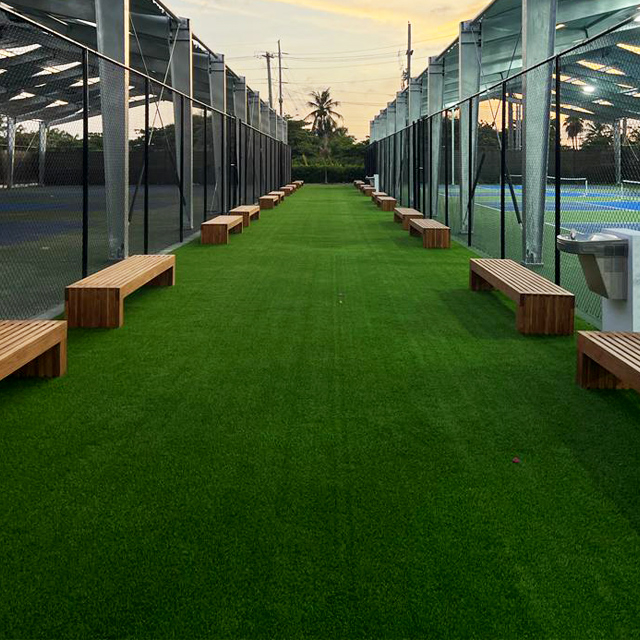
When tackling artificial grass installation on a budget, choosing whether to rent or buy tools is a crucial decision. Specialized equipment can be expensive, so understanding your project size and frequency helps you save money.
For most DIY projects, renting tools is the most cost-effective option. Tools like plate compactors, carpet kickers, and power brooms are essential for a professional finish but are often used only once or twice. Renting these tools from local hardware stores or tool hire centers saves you from high upfront costs and storage hassles.
Buying tools makes sense if you plan multiple projects or landscaping jobs over time. Basic hand tools such as utility knives, stiff brooms, shovels, and garden forks are inexpensive and worth owning for repeated use. However, expensive power tools that you rarely use are better rented.
Here's a list of must-have tools for laying artificial grass efficiently and cheaply:
● Plate Compactor: Compacts the base material firmly to prevent shifting or sinking.
● Utility Knife or Carpet Cutter: Cuts the turf cleanly for accurate fitting around edges and obstacles.
● Stiff Broom or Power Broom: Brushes infill into the grass fibers and lifts the turf for a natural look.
● Measuring Tape and Chalk Line: Ensures precise measurements and straight turf alignment.
● Garden Fork or Shovel: Used for vegetation removal and base preparation.
● Landscaping Nails or U-pins: Secure turf edges and seams without costly adhesives.
● Carpet Kicker: Helps stretch and smooth turf, especially useful for larger areas.
● Wheelbarrow and Rake: For moving and leveling base materials.
Having the right tools reduces installation time and mistakes, which lowers overall costs. Renting power tools while owning basic hand tools strikes a good balance for most DIY enthusiasts.
Tip: Rent heavy-duty tools like plate compactors and power brooms only for the days you need them, and invest in affordable hand tools you’ll reuse to keep your artificial grass project budget-friendly.
Accurate measurements and proper base preparation are crucial to avoid costly mistakes when laying artificial grass. Getting these details right ensures a smooth installation and long-lasting results.
Measuring your lawn area precisely helps prevent buying too much or too little turf. Overestimating means extra turf goes to waste, while underestimating causes delays and extra costs for additional purchases. Use a tape measure or laser distance meter to record your lawn's length and width. For irregular shapes, divide the area into smaller rectangles, measure each, then add them up for a total.
Always add about 10-15% extra turf to account for trimming around edges, fitting around obstacles, and potential errors. This buffer helps avoid last-minute shortages and ensures you can make neat cuts for a professional finish.
Double-check your measurements before ordering turf or base materials. Mark your lawn’s boundaries with stakes or chalk to visualize the area and reduce mistakes.
Water pooling under artificial grass can cause damage and reduce turf life. To prevent this, ensure your base has a slight slope (1-2%) away from buildings or structures. This encourages water runoff and avoids puddles.
Test drainage by spraying water over the compacted base. If water pools, adjust the slope or add more base material to improve runoff. For clay-heavy or poorly draining soils, mix sand into the base to increase permeability.
Proper compaction of the base material is essential. Use a plate compactor or hand tamper to compress the base in layers, preventing shifting or sinking later. Each layer should be compacted thoroughly before adding the next. A well-compacted base keeps the turf flat and stable, reducing wrinkles and uneven spots.
Avoid skipping compaction, as a soft or loose base leads to costly repairs down the line. If you rent a plate compactor, follow manufacturer instructions for best results.
When aiming for the cheapest way to lay artificial grass, thinking about long-term savings helps you avoid costly repairs or early replacements. Choosing durable materials and following proper maintenance routines extend your turf's lifespan, saving money over time.
Investing in quality turf upfront pays off. Look for artificial grass made from UV-resistant polyethylene fibers—they resist fading and keep their color longer. While cheaper options may seem appealing, low-quality turf often wears out faster, leading to extra costs for replacement.
A well-compacted, stable base also protects your investment. It prevents shifting or sinking that causes wrinkles or uneven surfaces. Proper drainage prevents water damage and mold growth under the turf. These factors combined ensure your lawn stays attractive and functional for many years.
Check the turf's warranty and reviews before buying. A longer warranty often signals better quality and manufacturer confidence. Remember, durability isn’t just about the grass fibers but also the backing and stitching quality.
Artificial grass requires less upkeep than natural lawns but still benefits from regular care:
● Brushing: Use a stiff broom or power brush to lift fibers and keep the lawn looking fresh. Brushing once a month prevents matting and helps infill settle evenly.
● Cleaning: Remove leaves, dirt, and debris regularly with a leaf blower or rake. For stubborn stains, wash with mild soap and water.
● Weed Control: Although rare, weeds can grow around edges or through small holes. Pull weeds promptly and consider applying a safe weed killer occasionally.
● Infill Top-Up: Over time, infill may compact or wash away. Add more silica sand or recommended infill every few years to maintain fiber support and turf stability.
● Seam and Edge Inspection: Check seams and edges yearly for loose spots. Re-secure nails or pins as needed to prevent turf movement.
By following these simple steps, you keep your artificial lawn looking great and avoid expensive repairs. A little maintenance goes a long way in protecting your investment.
Balancing cost and quality in artificial grass installation involves choosing shorter pile heights, polyethylene yarn, and bulk purchases. Efficient site preparation and streamlined installation processes save money without sacrificing quality. Proper tool selection and avoiding common mistakes ensure smooth installation. Long-term savings are achieved through durable materials and routine maintenance. Qingdao XiHY Artificial grass offers UV-resistant polyethylene turf, providing lasting value and reducing maintenance needs, making it a smart choice for cost-effective artificial grass projects.
A: Artificial grass is a synthetic surface designed to mimic the appearance and feel of natural grass, often used for landscaping and sports fields.
A: To install artificial grass cheaply, consider DIY site preparation, use shorter pile heights, and secure turf with nails instead of adhesives.
A: Artificial grass requires less maintenance, saves water, and remains green year-round, making it a practical choice for many homeowners.
A: Factors include material quality, pile height, yarn type, area size, and installation complexity.


